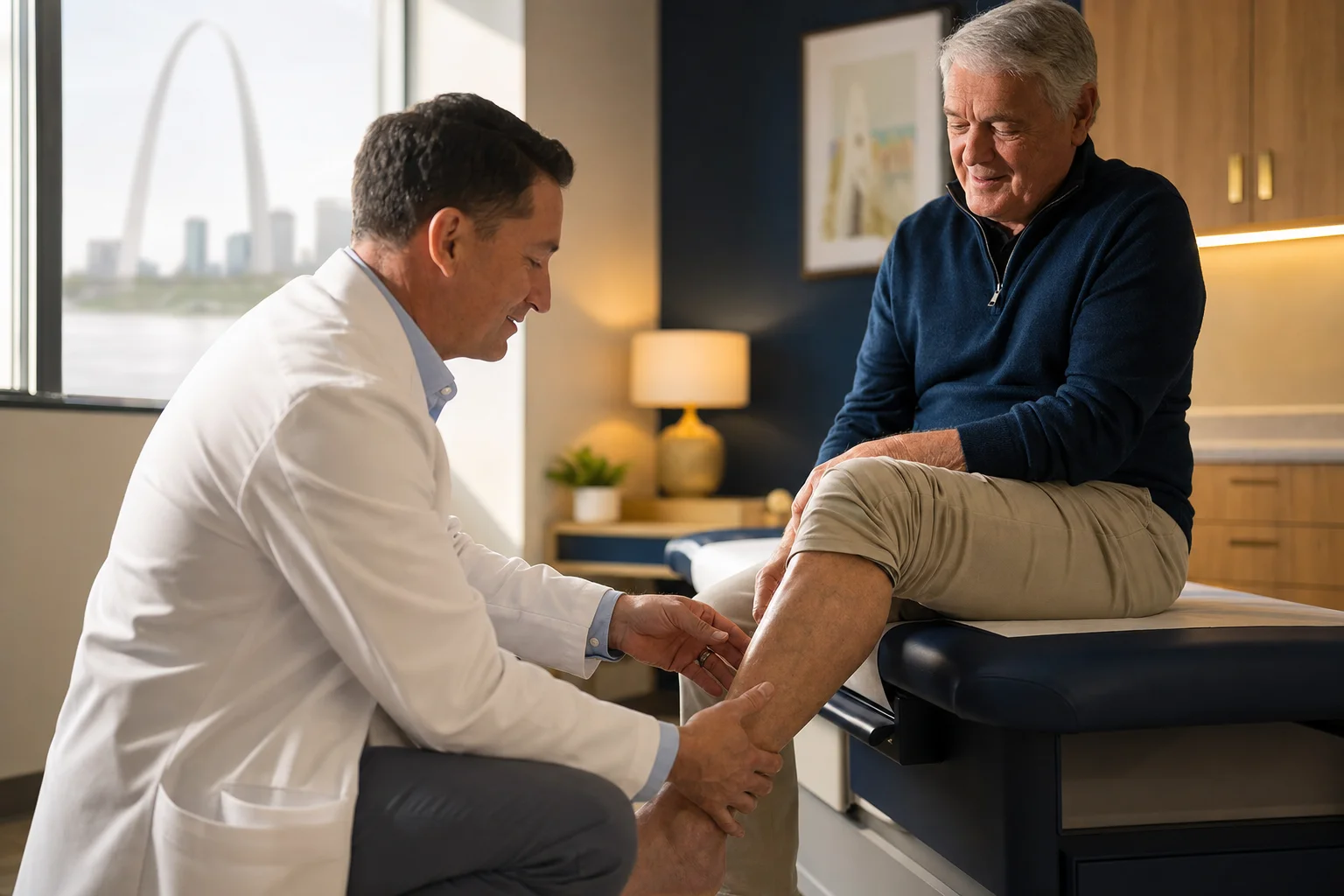
Neuropathy Treatment in St. Louis, MO
Neuropathy treatment for burning, tingling, and numbness in St. Louis. Nerve testing, medication protocols, and advanced therapies at St. Louis Pain Center.
St. Louis Pain Center is conveniently located in the south St. Louis community, serving the same area as Washington University School of Medicine-affiliated practices.
At a Glance
- Treats: Peripheral neuropathy, diabetic neuropathy, neuropathy in feet and hands
- Session: Evaluation plus individualized treatment plan
- Non-invasive: Nerve conduction testing, medication protocols, advanced therapies
- Protocol: Diagnosis-driven approach targeting the underlying cause
- Ready to start? Call (314) 846-2100 to schedule your evaluation.
The Burning, Tingling Pain That Never Fully Goes Away
It starts small. A tingling sensation in your toes. A pins-and-needles feeling that comes and goes. You shake it off. Then the tingling turns to burning. The burning becomes constant. You notice your feet feel numb when you walk, or your hands lose their grip strength. Sleep becomes difficult because the sheets against your skin feel like sandpaper.
More than 20 million Americans live with peripheral neuropathy. The actual number is likely higher because many cases go undiagnosed for years. In St. Louis, the prevalence of type 2 diabetes, sedentary desk-job culture, and high obesity rates contribute to elevated neuropathy rates. Diabetes alone accounts for approximately 60% of all peripheral neuropathy cases in the United States.
Neuropathy treatment at St. Louis Pain Center starts with identifying the cause. Not all neuropathy is the same. The nerves involved, the underlying condition, and the severity of damage all dictate which treatment approach will work. A treatment plan built without proper diagnosis is a plan built on guesswork.
What Is Neuropathy Treatment?
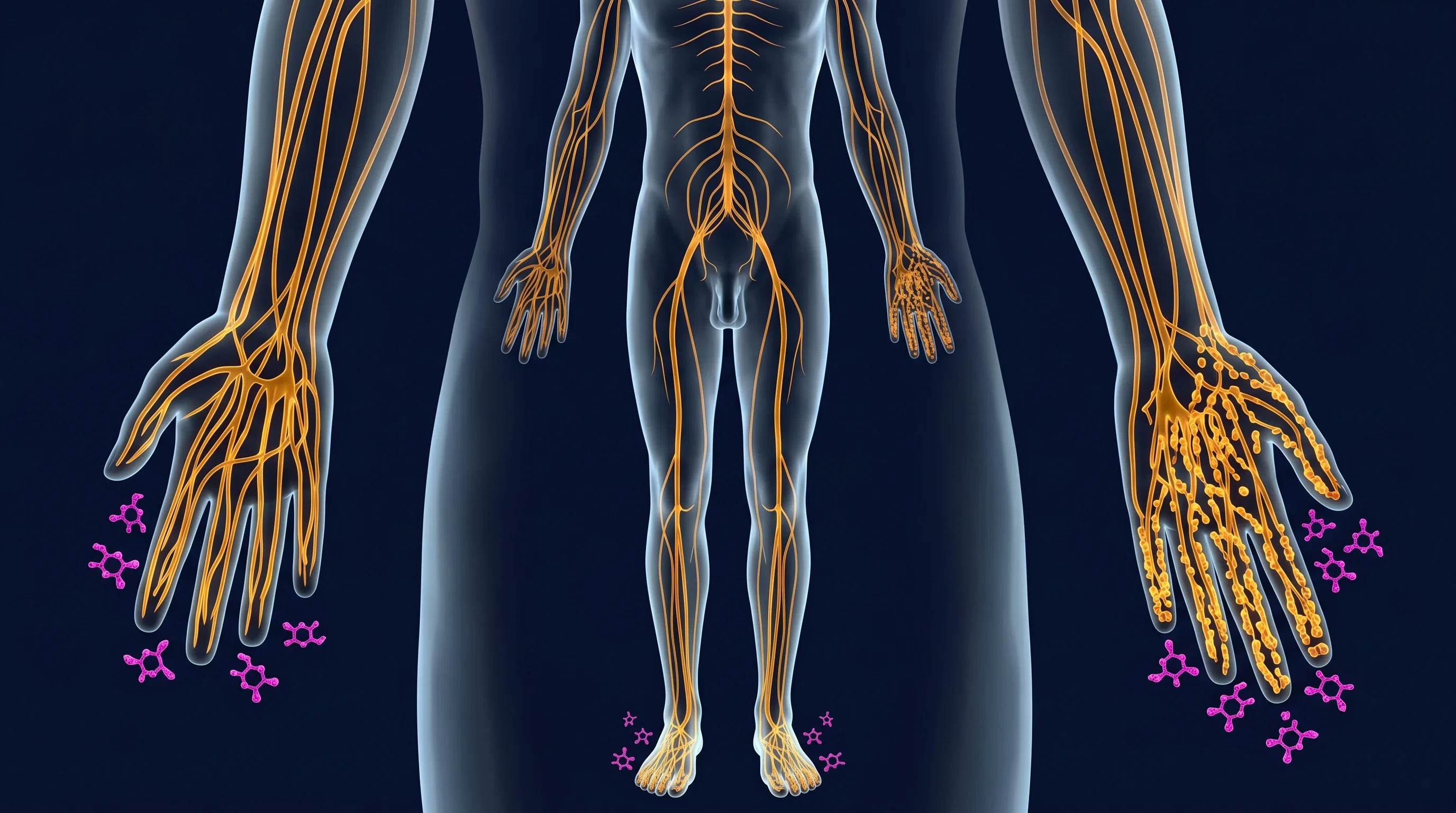
Neuropathy treatment is a structured approach to diagnosing, managing, and reducing symptoms caused by damage to the peripheral nerves. These are the nerves outside the brain and spinal cord that carry sensation, movement, and autonomic signals throughout the body.
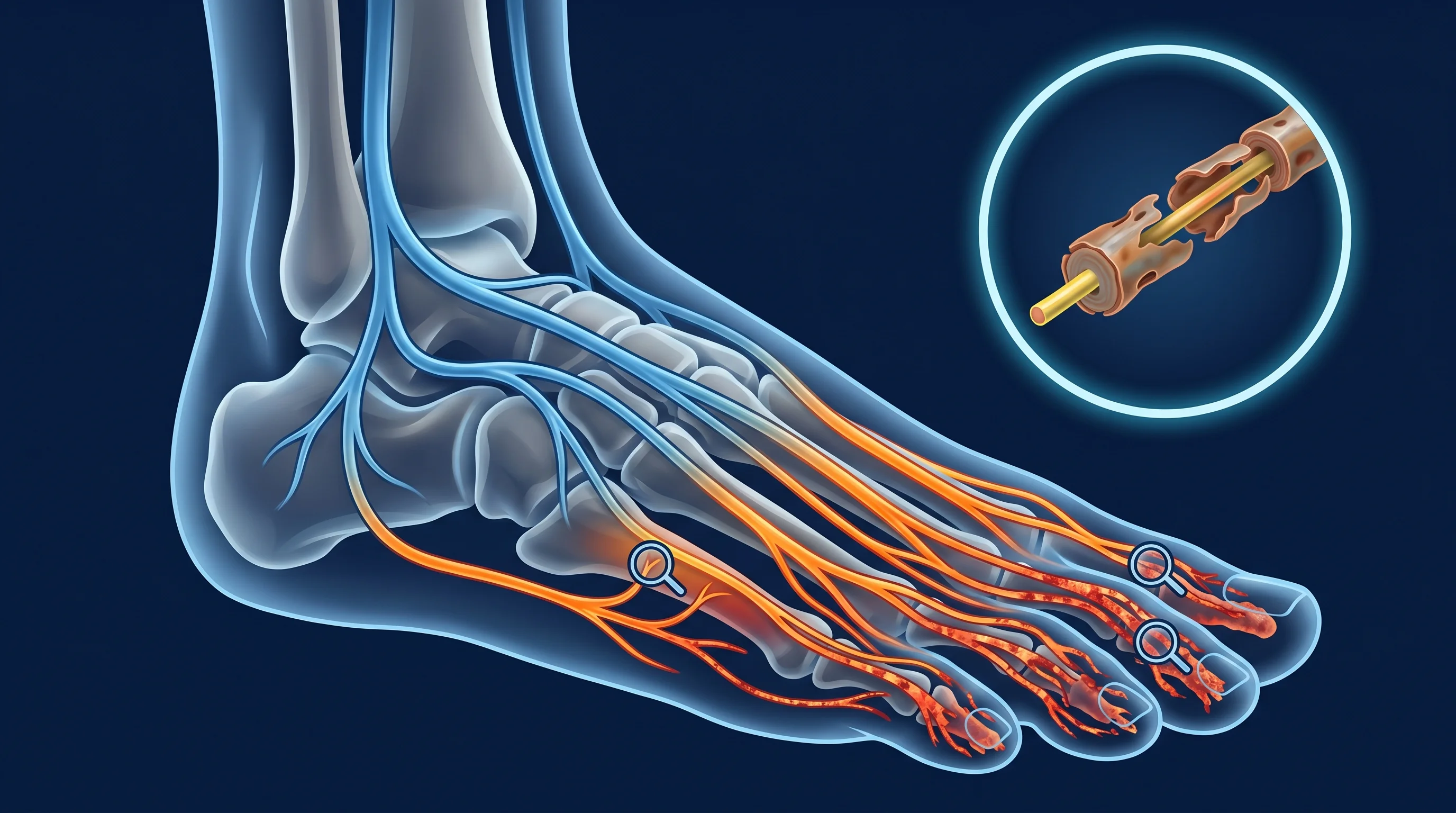
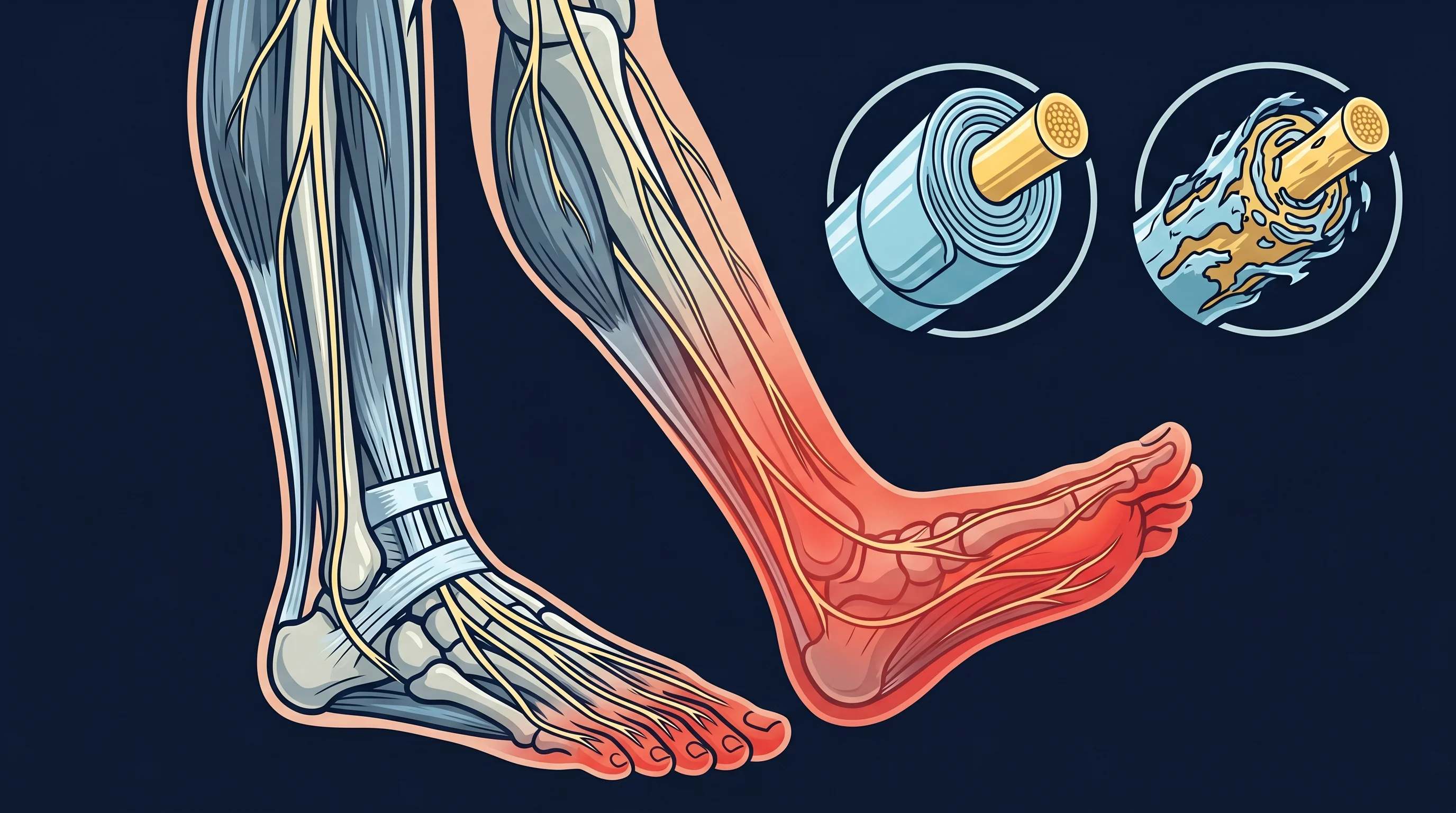
Treatment begins with nerve conduction velocity (NCV) testing and electromyography (EMG). These tests measure how fast electrical signals travel through your nerves and whether the nerve damage is affecting the myelin sheath (the insulation around the nerve) or the nerve fiber itself. This distinction matters because demyelinating neuropathies and axonal neuropathies respond to different treatments. NCV testing also quantifies the severity of damage, which helps track whether treatment is stabilizing or reversing the condition over time.
Once the type and cause of neuropathy are established, treatment combines medication, lifestyle modification, and in some cases advanced therapies like neuromodulation to reduce symptoms and slow progression.
Conditions We Treat with Neuropathy Treatment in St. Louis
Neuropathy has dozens of potential causes. Treatment must address the specific cause to be effective.
Diabetic Neuropathy
Diabetes is the single most common cause of peripheral neuropathy. Chronically elevated blood sugar damages small blood vessels that supply nerves, leading to progressive nerve fiber death. Symptoms typically begin in the feet and work upward in a “stocking-glove” pattern. In St. Louis, where Midwest dietary habits and sedentary lifestyles drive diabetes rates above the national average, diabetic neuropathy is especially prevalent. Treatment includes glycemic optimization, anticonvulsant medications (gabapentin, pregabalin), SNRIs (duloxetine), and topical therapies. Tight blood sugar control remains the single most important factor in slowing nerve damage progression.
Peripheral Neuropathy (Non-Diabetic)
Neuropathy caused by chemotherapy, autoimmune conditions, vitamin deficiencies (B12, folate), alcohol use, thyroid disorders, and idiopathic causes requires cause-specific treatment. Correcting a B12 deficiency, for example, can halt and sometimes reverse neuropathy symptoms. Chemotherapy-induced neuropathy may require medication adjustments in coordination with your oncologist. Treatment plans are tailored to the specific mechanism of nerve injury.
Neuropathy in Feet
Foot neuropathy deserves special attention because it carries the highest fall risk and the greatest potential for complications. Numbness in the feet eliminates protective sensation, meaning you can injure your foot without knowing it. For diabetic patients, this can lead to ulcers and infections that become serious quickly. Treatment focuses on restoring as much sensation as possible, protecting the feet from injury, and managing pain symptoms that can range from burning to electric shock sensations.
Small Fiber Neuropathy
Standard nerve conduction tests sometimes come back normal even when patients have clear neuropathy symptoms. Small fiber neuropathy affects the smallest nerve fibers that do not appear on standard NCV testing. Diagnosis may require a skin punch biopsy to evaluate intraepidermal nerve fiber density. Treatment addresses pain and autonomic symptoms with medications and lifestyle modifications.
Complex Regional Pain Syndromes
When neuropathy is accompanied by swelling, skin color changes, temperature asymmetry, and disproportionate pain, complex regional pain syndrome (CRPS) must be considered. Early, aggressive treatment improves outcomes significantly. Nerve blocks, physical therapy, and medication management are combined in a coordinated protocol.
Advantages of Neuropathy Treatment at St. Louis Pain Center
Cause-First Diagnostic Approach
Many patients arrive having been told they have neuropathy without any investigation into why. Treatment without diagnosis is incomplete treatment. St. Louis Pain Center performs nerve conduction studies, reviews laboratory work for metabolic and nutritional causes, and evaluates your medical history to identify the underlying mechanism. Knowing the cause changes the treatment plan entirely.
Multimodal Symptom Management
Neuropathy symptoms respond best to combination therapy. Anticonvulsants reduce nerve hyperexcitability. SNRIs modify pain perception centrally. Topical agents address localized burning and tingling. When combined at appropriate doses, these medications provide broader relief than any single drug. This multimodal approach is the same evidence-based strategy recommended by the American Academy of Neurology.
Integrated Treatment Planning
Neuropathy rarely exists in isolation. It intersects with diabetes management, cardiovascular health, mobility, and mental health. St. Louis Pain Center coordinates with your primary care provider, endocrinologist, and other specialists to ensure your neuropathy treatment fits within your overall health plan. We also offer neuromodulation technique for patients who benefit from drug-free nerve signal recalibration.
Why Choose St. Louis Pain Center for Neuropathy Treatment?
Neuropathy is not a condition that improves with generic advice. It requires specific testing, targeted treatment, and ongoing monitoring. St. Louis Pain Center treats neuropathy as a primary focus, not an afterthought.
Our team evaluates patients from across St. Louis who have been living with neuropathy symptoms for months or years without a clear diagnosis. We start with nerve conduction testing, build a cause-specific treatment plan, and adjust that plan as your condition responds. Located near Washington University School of Medicine, we apply the latest research to every neuropathy case we treat.
If previous treatments have not worked, our pain control specialists can determine whether the right tests have been done and whether the right medications have been tried.
Neuropathy Treatment Reviews
Pat Shore (June 2024) — 5 Stars
“Everyone is very professional and caring. Treatments are done with utmost care. My doctors gave up on my issues. This treatment has been a Godsend for my neuropathy and vertigo.”
Convenient Access from Webster Groves, Kirkwood, and Surrounding Neighborhoods in St. Louis
St. Louis Pain Center is located at 4455 Telegraph Rd #250, St. Louis, MO 63129. Patients visit from Webster Groves, Kirkwood, Oakville, Mehlville, Lemay, Affton, Concord, Arnold, Fenton, Crestwood, and Sunset Hills for neuropathy evaluations and ongoing treatment.
Our South County office is accessible from Interstate 255, Gravois Road, and Lindbergh Boulevard. Patients referred by physicians affiliated with Washington University School of Medicine and other St. Louis health systems find our location convenient for the periodic follow-up visits that neuropathy management requires.
Schedule Your Neuropathy Treatment Appointment
Neuropathy does not reverse itself without intervention. The earlier treatment begins, the more nerve function can be preserved. If you are experiencing burning, tingling, numbness, or unexplained pain in your feet or hands, a diagnostic evaluation is the first step.
Call (314) 846-2100 or visit us at 4455 Telegraph Rd #250, St. Louis, MO 63129.
Neuropathy Treatment FAQs for St. Louis Patients
What does a neuropathy evaluation include?
Your first visit includes a detailed medical history review, physical examination focused on sensation and reflexes, and nerve conduction velocity testing. Blood work may be ordered to check for diabetes, vitamin deficiencies, thyroid dysfunction, and other metabolic causes.
Can neuropathy be reversed?
It depends on the cause and severity. Neuropathy caused by vitamin B12 deficiency can often be reversed with supplementation. Diabetic neuropathy can be stabilized and sometimes partially reversed with tight glycemic control. Neuropathy from severe nerve damage may not be reversible, but symptoms can usually be managed effectively.
How long does neuropathy treatment take to work?
Medication effects vary. Some patients notice improvement within two to four weeks of starting treatment. Others require six to eight weeks of dose titration before reaching an effective regimen. Nerve healing is slow, so patience and consistent treatment are important.
Is neuropathy treatment covered by insurance?
Nerve conduction testing, office visits, and most neuropathy medications are covered by major insurance plans. Specific coverage depends on your plan. Our office verifies benefits before treatment begins.
What happens if neuropathy goes untreated?
Untreated neuropathy typically worsens over time. Nerve damage progresses, symptoms spread to new areas, and the risk of falls, injuries, and complications increases. For diabetic patients, untreated foot neuropathy can lead to serious infections. Early treatment preserves nerve function and prevents complications.
Do I need a referral to be seen?
Many patients self-refer to St. Louis Pain Center. If your insurance requires a referral, we can assist with the referral process. Call our office at (314) 846-2100 to confirm what your plan requires.
Related Services
Neuropathy treatment at St. Louis Pain Center often integrates with other services. Neuromodulation technique offers a drug-free approach to modifying nerve signals for neuropathy patients. Medication management ensures your neuropathy medications work effectively alongside any other prescriptions you take. Nerve blocks can provide targeted relief for neuropathy-related pain in specific nerve distributions.
Explore our full pain control services to learn how we coordinate neuropathy treatment with other approaches for the best possible outcome.
Conditions This Treatment Addresses

Frequently Asked Questions
Get Started Today
Ready to Start Your Recovery?
Take the first step. Our team is ready to help you reclaim your life from pain.