Nerve Blocks in St. Louis, MO
Nerve blocks target pain signals at the source. St. Louis Pain Center offers sympathetic, peripheral, and epidural blocks for lasting relief.
St. Louis Pain Center is conveniently located in the south St. Louis community, serving the same area as Washington University School of Medicine-affiliated practices.
At a Glance
- Treats: Back pain, neck pain, sciatica, chronic regional pain
- Session: 15-30 minutes, in-office procedure
- Non-invasive: Needle-based injection with imaging guidance
- Protocol: Single block or series depending on diagnosis
- Ready to start? Call (314) 846-2100 to schedule your consultation.
When Pain Refuses to Quiet Down
You have tried rest. You have tried over-the-counter pills. Maybe you have even rearranged your entire workday around the pain, shifting how you sit, how you drive, how you sleep. Nothing sticks. The ache keeps returning, sometimes sharper than before.
This pattern is common in St. Louis, where long commutes, desk-heavy jobs, and cold winters push the body toward chronic tension and inflammation. Muscles tighten. Nerves become irritated. Pain signals fire relentlessly, even after the original injury has healed.
Nerve blocks interrupt that cycle. They deliver targeted medication directly to the nerve or nerve cluster responsible for your pain. The goal is simple: stop the signal before it reaches your brain. For many patients, a single nerve block provides weeks or months of relief. For others, it becomes a diagnostic tool that pinpoints exactly which nerve is causing the problem. Either way, you walk out with information and relief you did not have walking in.
What Is a Nerve Block?
A nerve block is an injection of anesthetic, anti-inflammatory medication, or both directly around a specific nerve or group of nerves. It temporarily disrupts pain signal transmission from the target area to the brain.
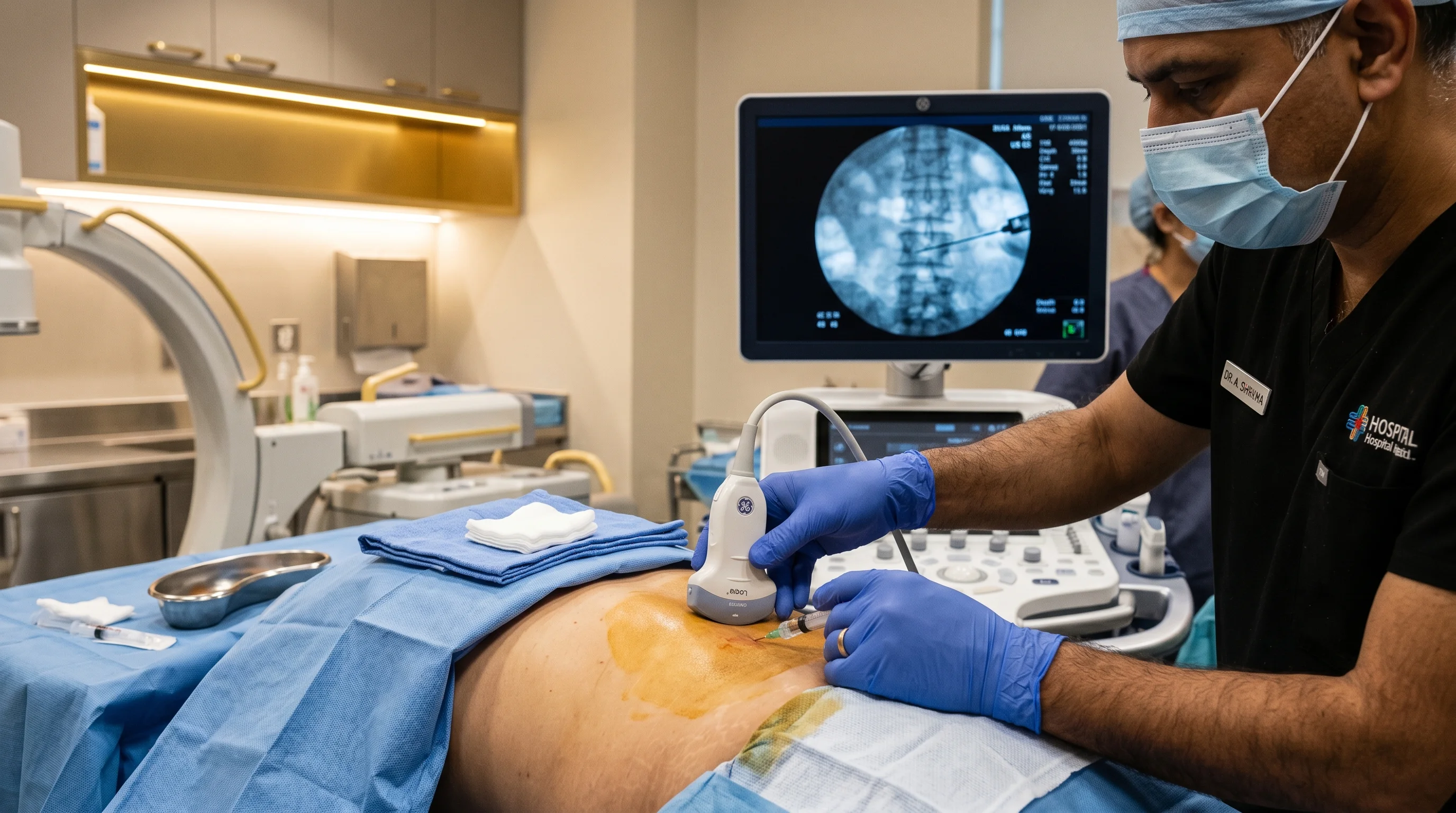
The concept sounds straightforward, but the execution requires precision. Your provider uses fluoroscopic (live X-ray) or ultrasound guidance to place the needle within millimeters of the target nerve. This imaging guidance separates a nerve block from a standard injection. Without it, accuracy drops significantly.
There are three primary categories of nerve blocks used in pain control:
-
Sympathetic nerve blocks target the sympathetic nervous system, which controls involuntary functions like blood flow and sweating. These blocks treat conditions such as complex regional pain syndrome (CRPS) and certain types of vascular pain. The stellate ganglion block, for example, addresses pain in the head, neck, and upper extremities.
-
Peripheral nerve blocks target individual nerves outside the spinal cord. An occipital nerve block treats chronic headaches. An intercostal nerve block addresses rib or chest wall pain. The specific nerve dictates the block location.
-
Epidural nerve blocks deliver medication into the epidural space surrounding the spinal cord. These are among the most common blocks for lower back pain and sciatica.
One key distinction patients often ask about: nerve blocks differ from cortisone shots. Cortisone injections reduce inflammation in a joint or soft tissue area. Nerve blocks specifically target nerve pathways. A cortisone shot treats the inflammation causing pain. A nerve block silences the nerve carrying the pain signal. Some blocks combine both approaches for dual benefit.
Most nerve blocks take effect within 15 to 30 minutes. Pain relief can last anywhere from several days to several months depending on the type of block and the underlying condition.
Conditions We Treat with Nerve Blocks in St. Louis
Nerve blocks are not a single-purpose tool. They address a range of pain conditions by targeting different nerve pathways throughout the body.
Back Pain
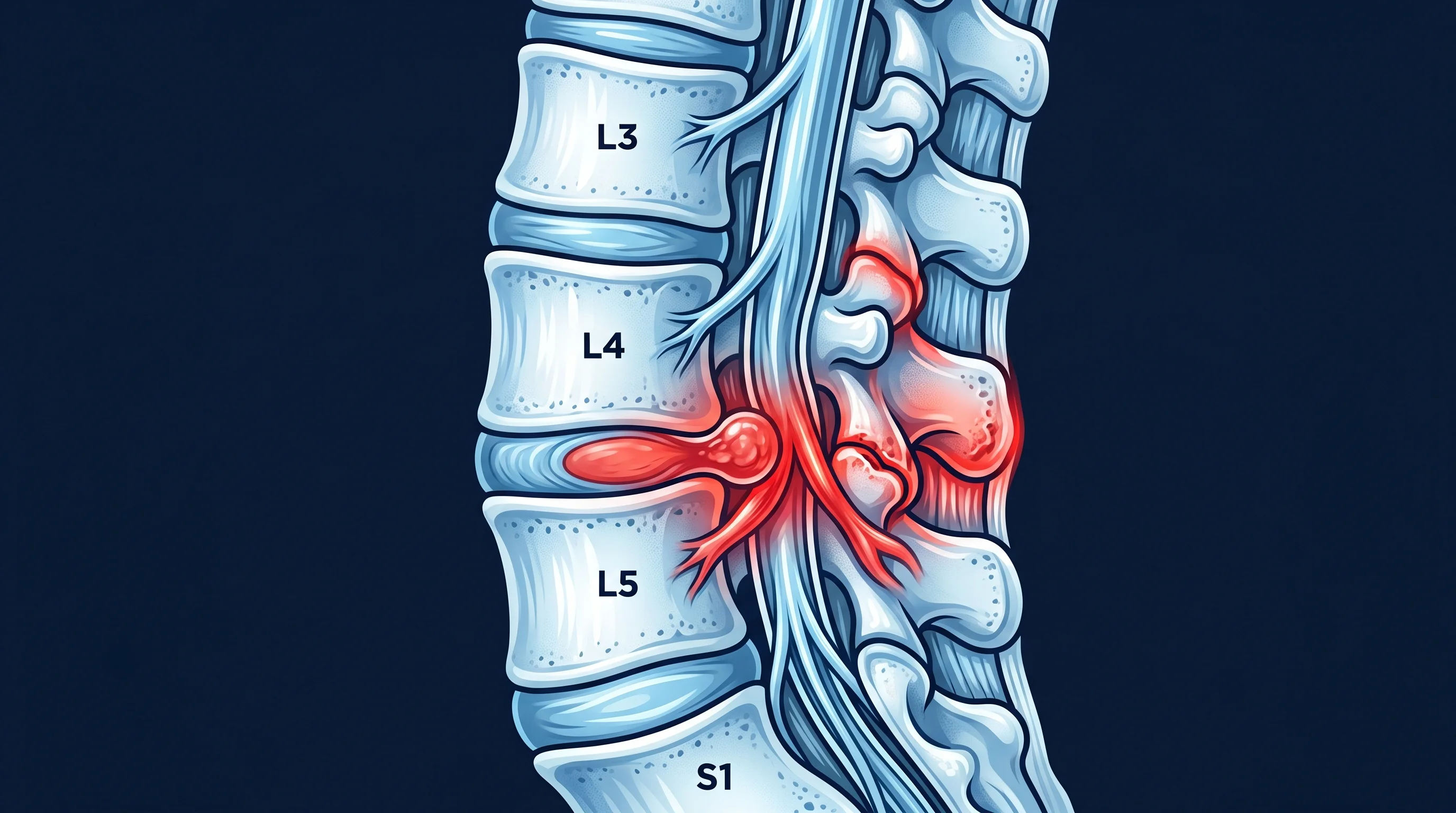
Lumbar nerve blocks address pain originating from compressed or inflamed spinal nerves. Facet joint nerve blocks target the small joints along the spine that often degenerate with age, repetitive motion, or prolonged sitting. Medial branch blocks can confirm whether a specific facet joint is the pain source before more permanent treatment. Many patients in St. Louis develop facet-related back pain from years of sedentary desk work compounded by limited winter activity.
Neck Pain
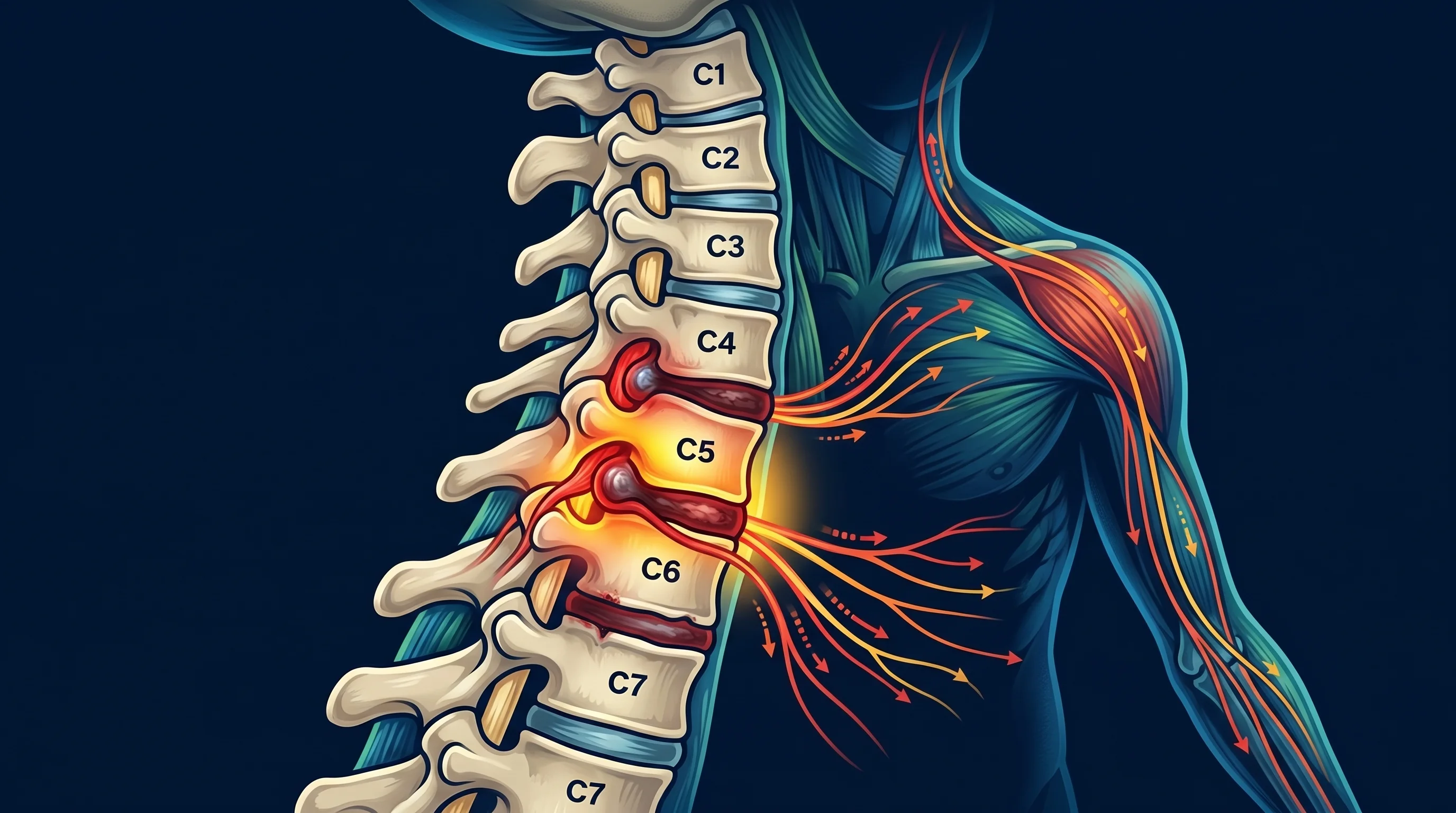
Cervical nerve blocks treat pain radiating from the neck into the shoulders or arms. Cervical medial branch blocks isolate pain from the facet joints in the upper spine. The stellate ganglion block addresses complex nerve pain in the neck and head region. Office workers who spend hours hunched over keyboards are particularly prone to cervical nerve irritation.
Sciatica
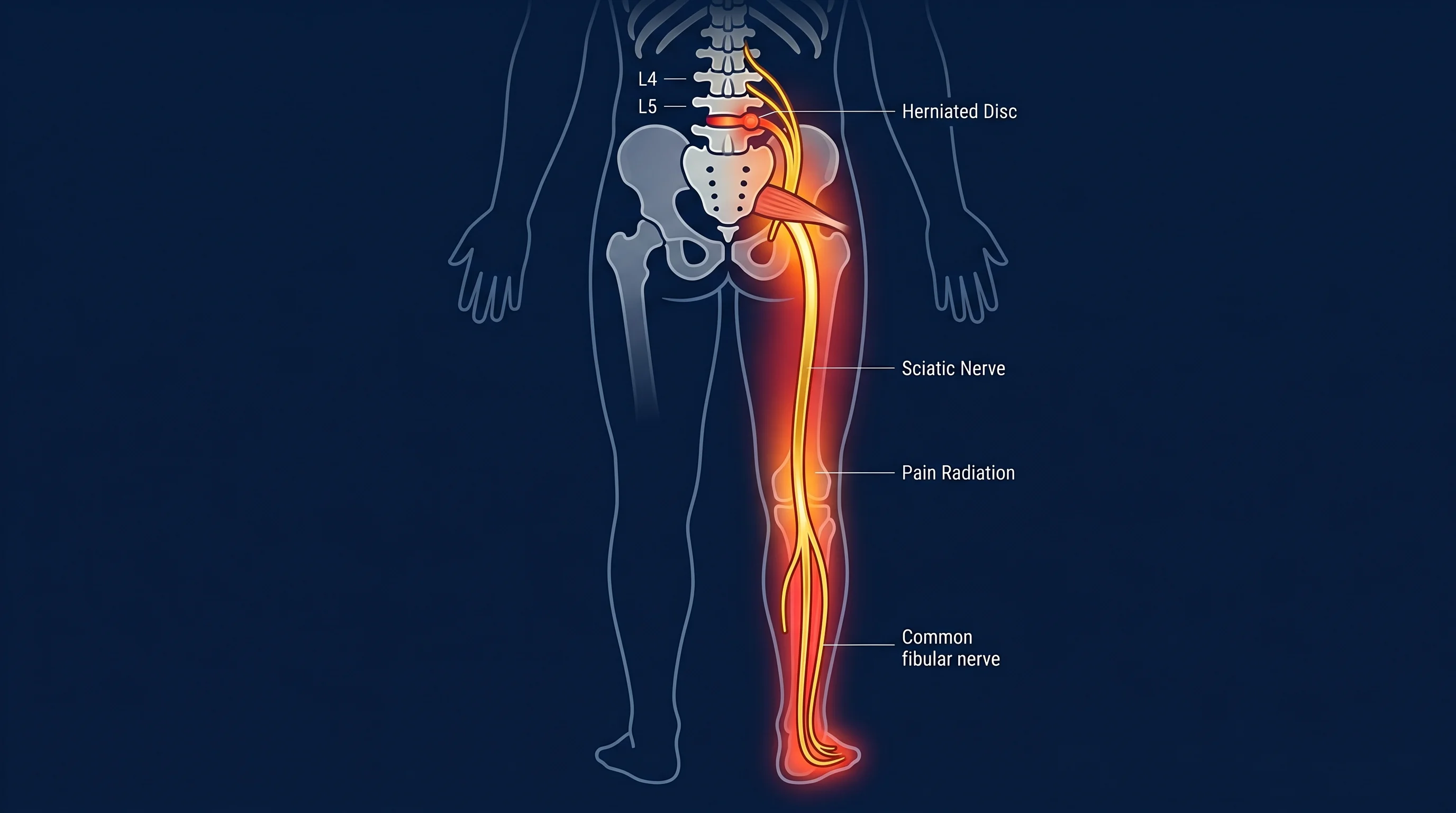
Sciatic nerve pain travels from the lower back through the buttock and down the leg. Epidural nerve blocks placed at specific lumbar levels can reduce inflammation around the compressed nerve root causing sciatica. Transforaminal epidural blocks offer even more targeted delivery by approaching the nerve root through the neural foramen.
Chronic Pain Syndromes
When pain persists beyond normal healing time, the nervous system itself can become the problem. Sympathetic nerve blocks and serial peripheral blocks help reset overactive pain pathways. They also serve as diagnostic tools, helping identify which nerve is responsible when the pain source is unclear.
Advantages of Nerve Blocks at St. Louis Pain Center
Precise Diagnostic Value
Nerve blocks do more than treat pain. They confirm its source. When a block eliminates your pain, it verifies exactly which nerve is responsible. This diagnostic precision guides future treatment decisions, potentially saving you months of trial and error. If a medial branch block eliminates your back pain, radiofrequency ablation of that same nerve becomes a logical next step.
Rapid Onset with Minimal Downtime
Most nerve blocks take 15 to 30 minutes to perform. You remain awake throughout the procedure. Local anesthetic numbs the skin before the block needle is placed. Many patients return to normal activities the same day. There is no general anesthesia, no hospital stay, and no prolonged recovery period.
Reduced Reliance on Oral Medications
Nerve blocks deliver medication directly to the pain source. This targeted approach means you may need fewer oral pain medications, including opioids. For patients managing chronic conditions, reducing systemic medication exposure protects the liver, kidneys, and digestive system over time.
Imaging-Guided Accuracy
Every nerve block at St. Louis Pain Center uses fluoroscopic or ultrasound guidance. The provider watches the needle placement in real time. This is not guesswork. Imaging guidance improves accuracy to within 1-2 millimeters of the target nerve, which increases effectiveness and reduces the risk of complications.
Why Choose St. Louis Pain Center for Nerve Blocks?
St. Louis Pain Center focuses exclusively on diagnosing and treating pain. Nerve blocks require a provider who performs them regularly, understands the anatomy deeply, and uses imaging guidance on every procedure.
Our clinic treats patients from across St. Louis who have not found relief through primary care alone. We combine nerve blocks with other pain control services to build treatment plans that address both the symptom and the source. Located near Washington University School of Medicine, our team stays current with the latest research and techniques in interventional pain management.
If you have been told to just live with your pain, a nerve block may change that conversation entirely.
Convenient Access from Oakville, Mehlville, and Surrounding Neighborhoods in St. Louis
St. Louis Pain Center is located at 4455 Telegraph Rd #250, St. Louis, MO 63129. Patients visit from Oakville, Mehlville, Lemay, Affton, Concord, Arnold, Fenton, Crestwood, Sunset Hills, Webster Groves, and Kirkwood. The office sits just minutes from Interstate 255 and Telegraph Road, making it easy to reach from South County and surrounding communities.
Our location provides convenient access for patients referred by physicians affiliated with Washington University School of Medicine and other regional health systems.
Schedule Your Nerve Block Appointment
Do not let uncontrolled pain dictate your daily routine. A nerve block consultation can identify exactly which nerve is driving your symptoms and whether a block is the right treatment.
Call (314) 846-2100 or visit our office at 4455 Telegraph Rd #250, St. Louis, MO 63129 to schedule your appointment.
Nerve Block FAQs for St. Louis Patients
How long does a nerve block last?
Pain relief varies by block type and individual response. Some patients experience relief for a few weeks. Others report months of reduced pain. Diagnostic blocks may wear off within hours, which is expected and useful for confirming the pain source.
Are nerve blocks painful?
The skin is numbed with local anesthetic before the block needle is placed. Most patients feel pressure rather than sharp pain during the procedure. Mild soreness at the injection site may last a day or two.
How many nerve blocks will I need?
This depends on your condition and response. Some patients improve after a single block. Others benefit from a series of three blocks spaced two to four weeks apart. Your provider will recommend a plan based on your diagnosis and how you respond to the first block.
Can nerve blocks replace surgery?
In many cases, nerve blocks reduce pain enough that surgery becomes unnecessary. They also serve as a trial before more permanent procedures like radiofrequency ablation. When a block confirms the pain source, it helps determine whether a surgical approach would actually address the right problem.
What should I do after a nerve block?
Most patients rest for 15 to 30 minutes after the procedure before driving home. Avoid strenuous activity for 24 hours. Keep a pain diary to track your response, as this information helps your provider plan future treatment.
Are nerve blocks covered by insurance?
Most major insurance plans cover nerve blocks when deemed medically necessary. Our office verifies insurance coverage before your procedure so there are no surprises.
Related Services
Nerve blocks often work alongside other interventional treatments. Patients who respond well to diagnostic nerve blocks may be candidates for radiofrequency ablation or other advanced procedures. Injection therapy targets inflammation in joints and soft tissues, while medication management ensures your oral medications complement your procedural treatments.
Explore our full range of pain control treatments at St. Louis Pain Center to learn how we build personalized plans for lasting relief.
Frequently Asked Questions
Get Started Today
Ready to Start Your Recovery?
Take the first step. Our team is ready to help you reclaim your life from pain.