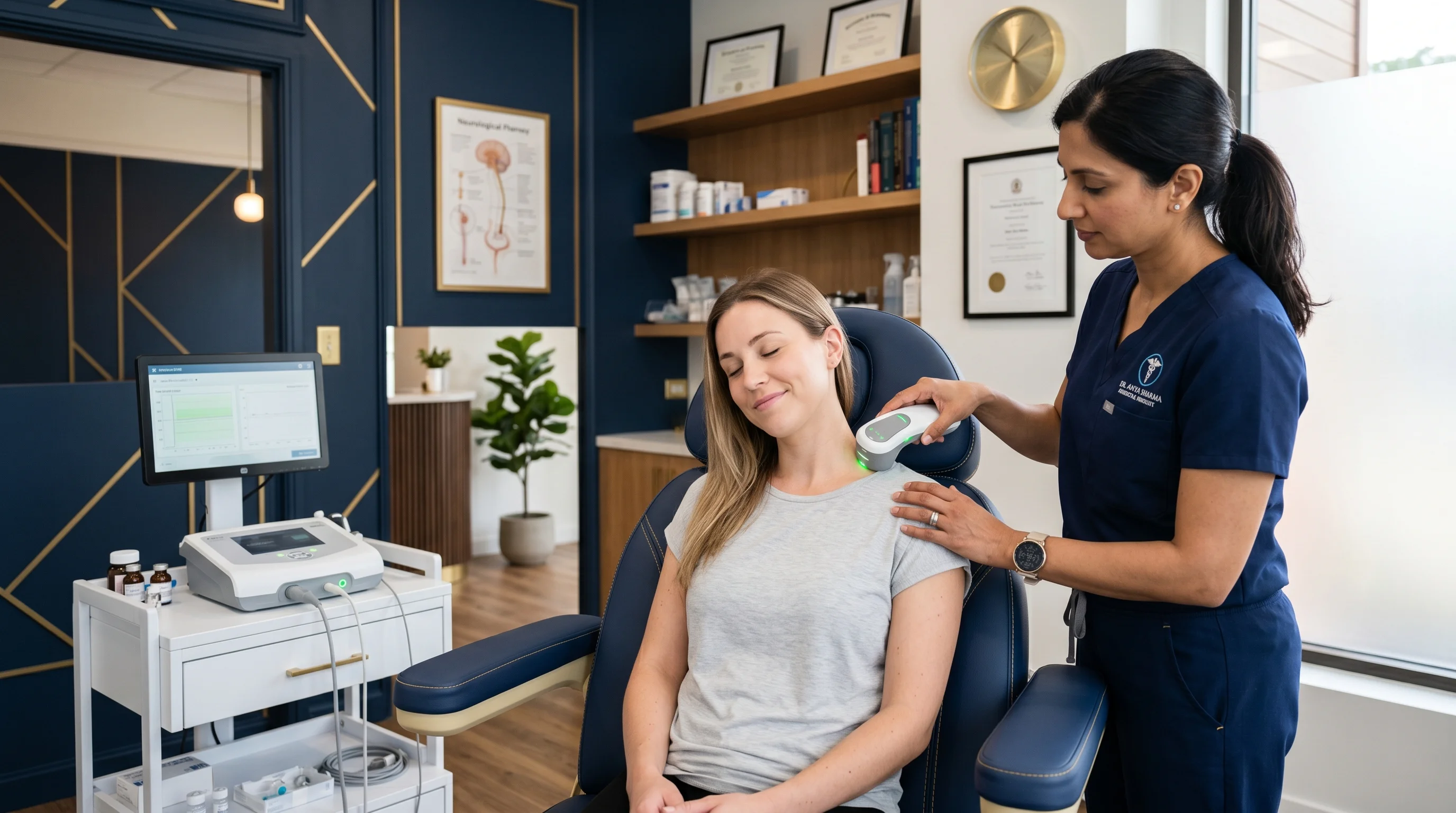
Neuromodulation Technique in St. Louis, MO
Neuromodulation technique offers drug-free pain relief by recalibrating nerve signals. No side effects. Learn how it works at St. Louis Pain Center.
St. Louis Pain Center is conveniently located in the south St. Louis community, serving the same area as Washington University School of Medicine-affiliated practices.
At a Glance
- Treats: Neuropathy, chronic pain, fibromyalgia, vertigo, vestibular disorders, neuropathy in feet
- Session: 30-60 minutes per session, typically in-office
- Non-invasive: No needles, no medication, no surgical implants
- Protocol: Series of sessions based on condition and response
- Ready to start? Call (314) 846-2100 to schedule your consultation.
When Medication Alone Is Not Enough
You have tried the pills. You have tried the creams. Maybe you have tried injections, physical therapy, and every home remedy someone suggested. Some of it helped. Most of it plateaued. The pain or numbness persists, and you are running out of options that do not involve higher doses or stronger drugs.
This is where many chronic pain patients find themselves, especially in St. Louis, where long winters limit physical activity, obesity drives diabetes and neuropathy rates, and sedentary work environments compound musculoskeletal problems year after year. The body adapts to medication. Tolerance builds. Side effects accumulate. Patients deserve treatment options that work through entirely different mechanisms.
Neuromodulation technique takes a fundamentally different approach. It does not add chemicals to your system. It does not require surgery or implanted devices. Instead, it recalibrates how your nervous system processes and transmits signals, addressing pain and dysfunction at the neurological level rather than the pharmacologic level. For patients who cannot tolerate medications, who have not responded to standard treatments, or who simply want a drug-free option, neuromodulation technique opens a pathway that other treatments cannot.
What Is Neuromodulation Technique?
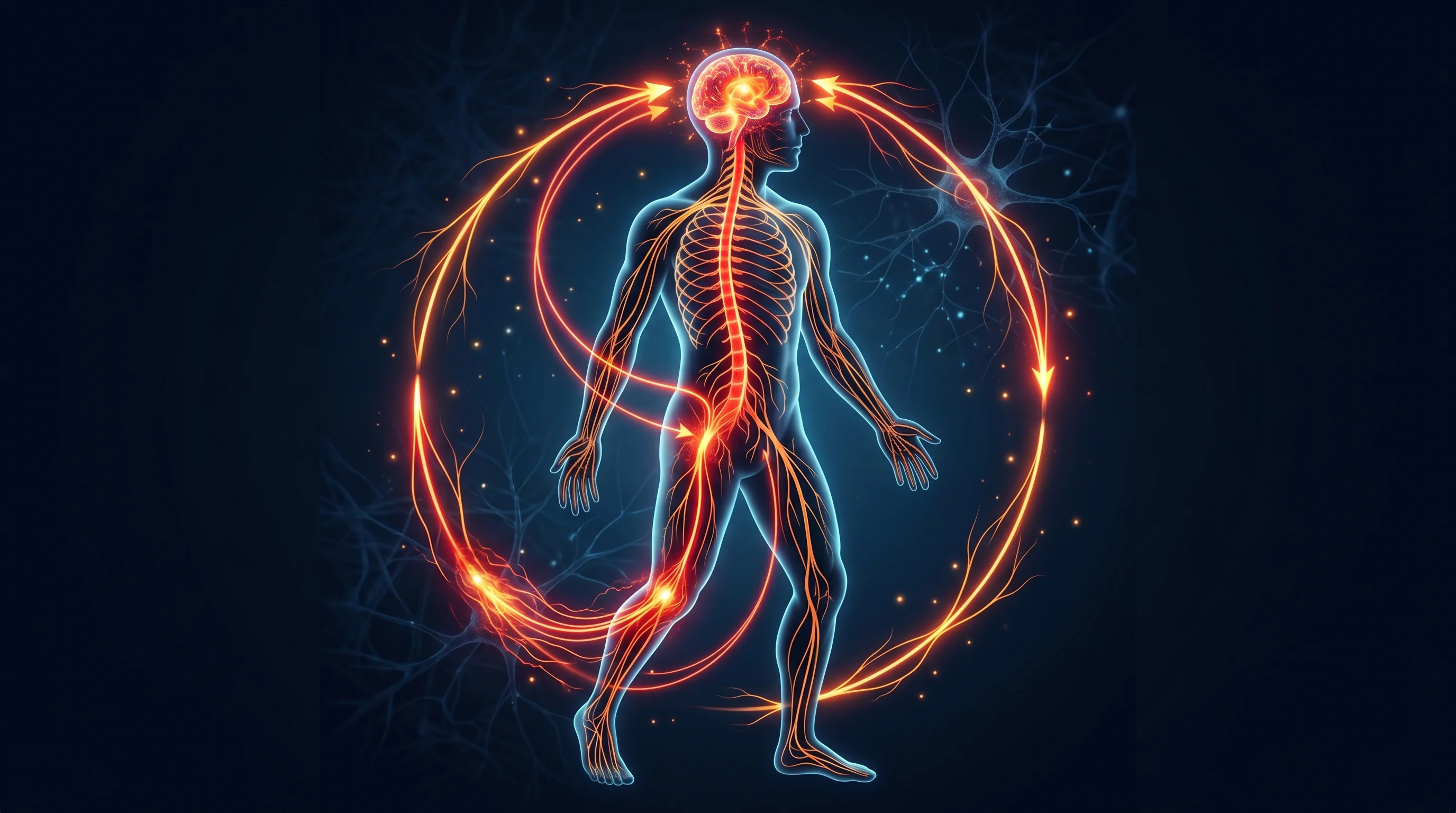
Neuromodulation technique is a non-invasive therapeutic approach that modifies nerve signal patterns to reduce pain, improve nerve function, and address neurological symptoms. It works by influencing how the nervous system communicates, essentially recalibrating dysfunctional signaling pathways that have been amplified by injury, disease, or chronic inflammation.
This is not the same as transcranial magnetic stimulation (TMS), which targets brain activity through magnetic pulses. It is also distinct from spinal cord stimulation, which requires the surgical implantation of electrodes along the spinal cord to interrupt pain signals with electrical current.
Neuromodulation technique is external. Non-invasive. Drug-free. There are no electrodes implanted in your body, no magnets directed at your brain, and no medications entering your bloodstream. The technique works with the body’s own neurological pathways to correct signal errors that contribute to chronic pain, neuropathy symptoms, and vestibular dysfunction.
A typical session lasts 30 to 60 minutes. The provider assesses your nervous system’s current signaling patterns and applies targeted corrections. Most patients report no side effects during or after treatment. This zero-side-effect profile makes neuromodulation technique particularly valuable for patients who are sensitive to medications, elderly patients managing multiple prescriptions, and anyone who has experienced intolerable side effects from pain drugs.
Treatment protocols vary by condition. Some patients respond within the first few sessions. Others require a longer series to achieve meaningful improvement. Your provider will establish a treatment plan based on your diagnosis, symptom severity, and early response.
Conditions We Treat with Neuromodulation Technique in St. Louis
Neuromodulation technique addresses conditions where the nervous system itself is contributing to symptoms, either through faulty signal transmission, amplified pain signaling, or impaired neurological function.
Peripheral Neuropathy
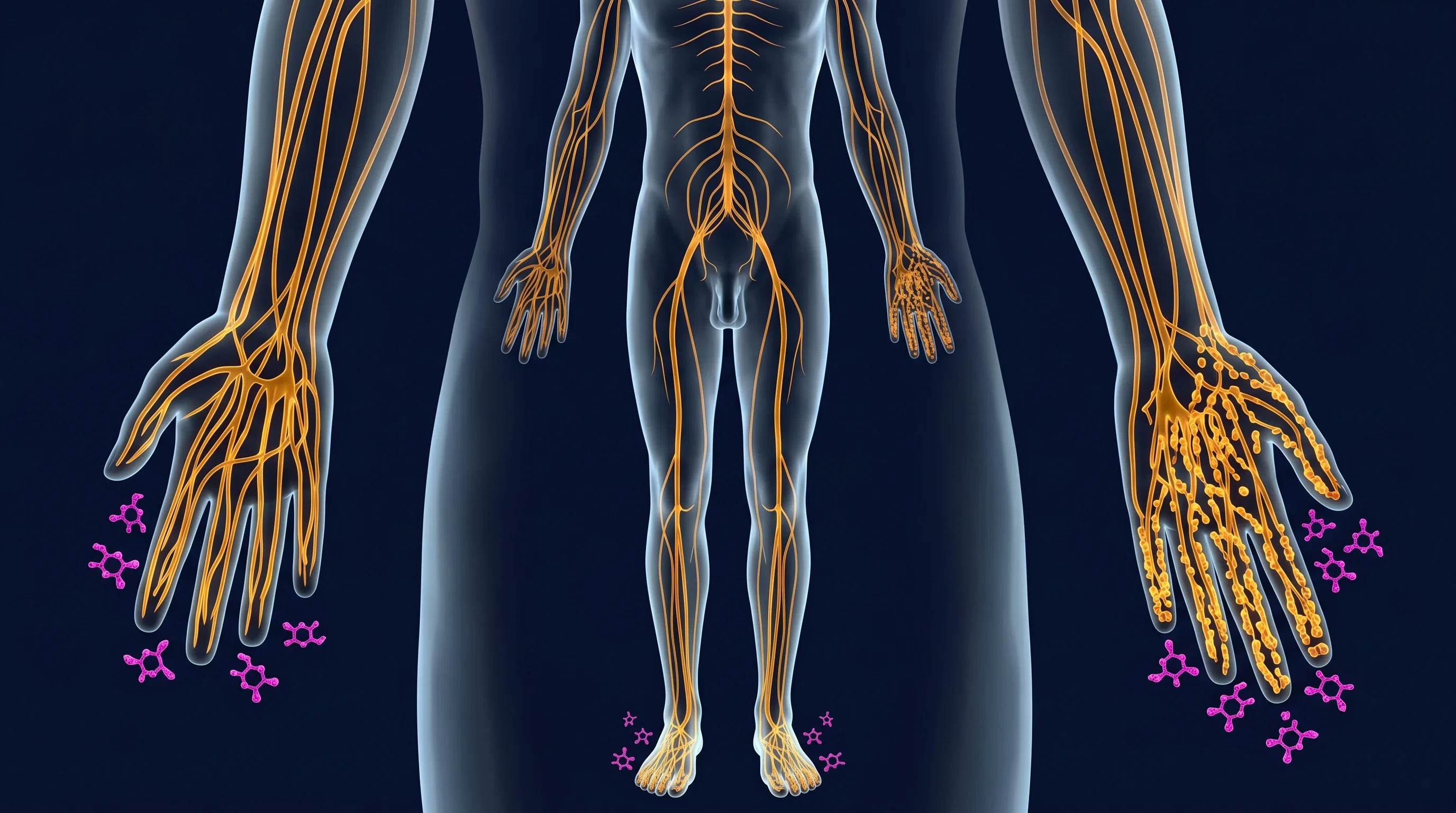
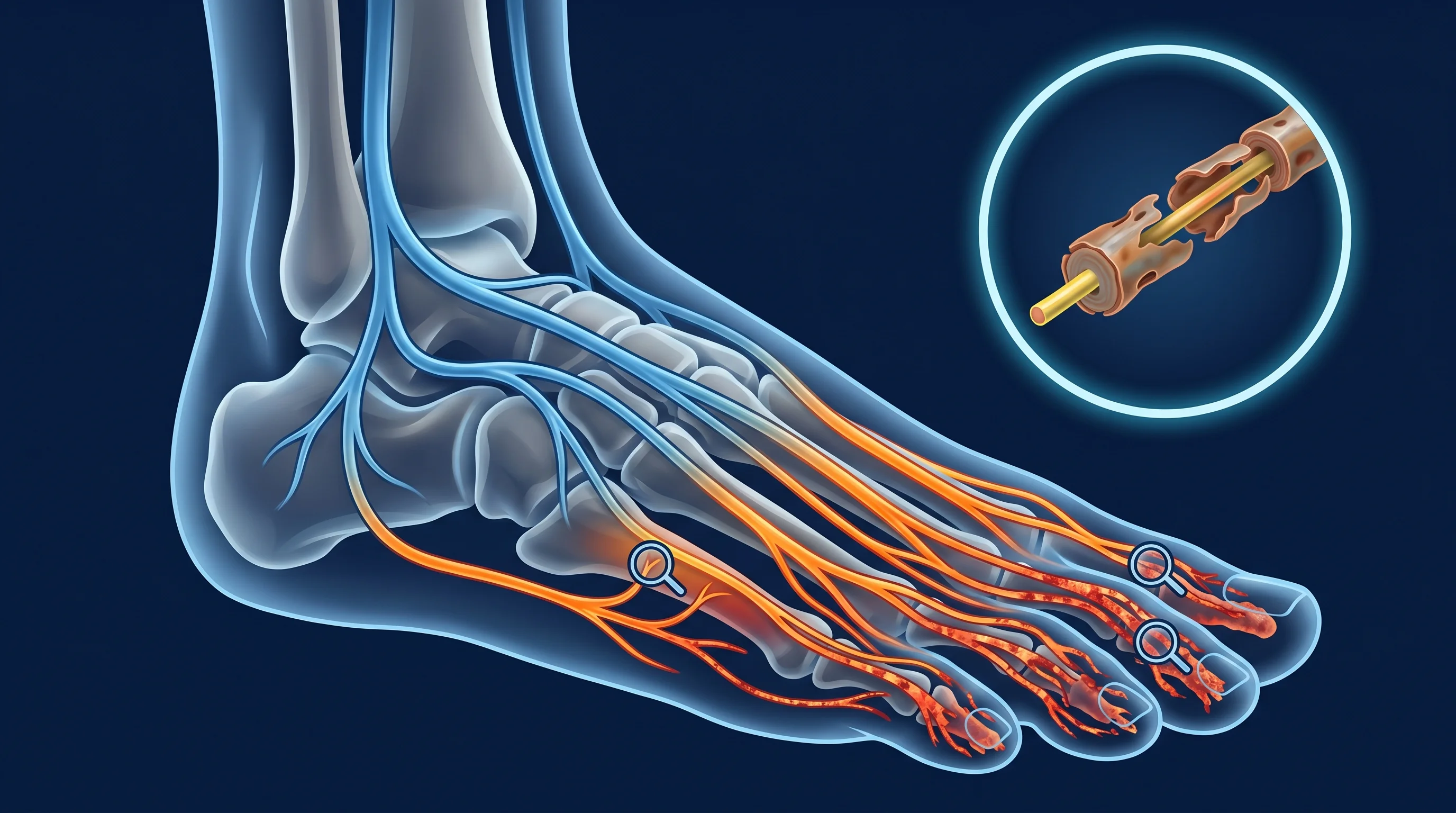
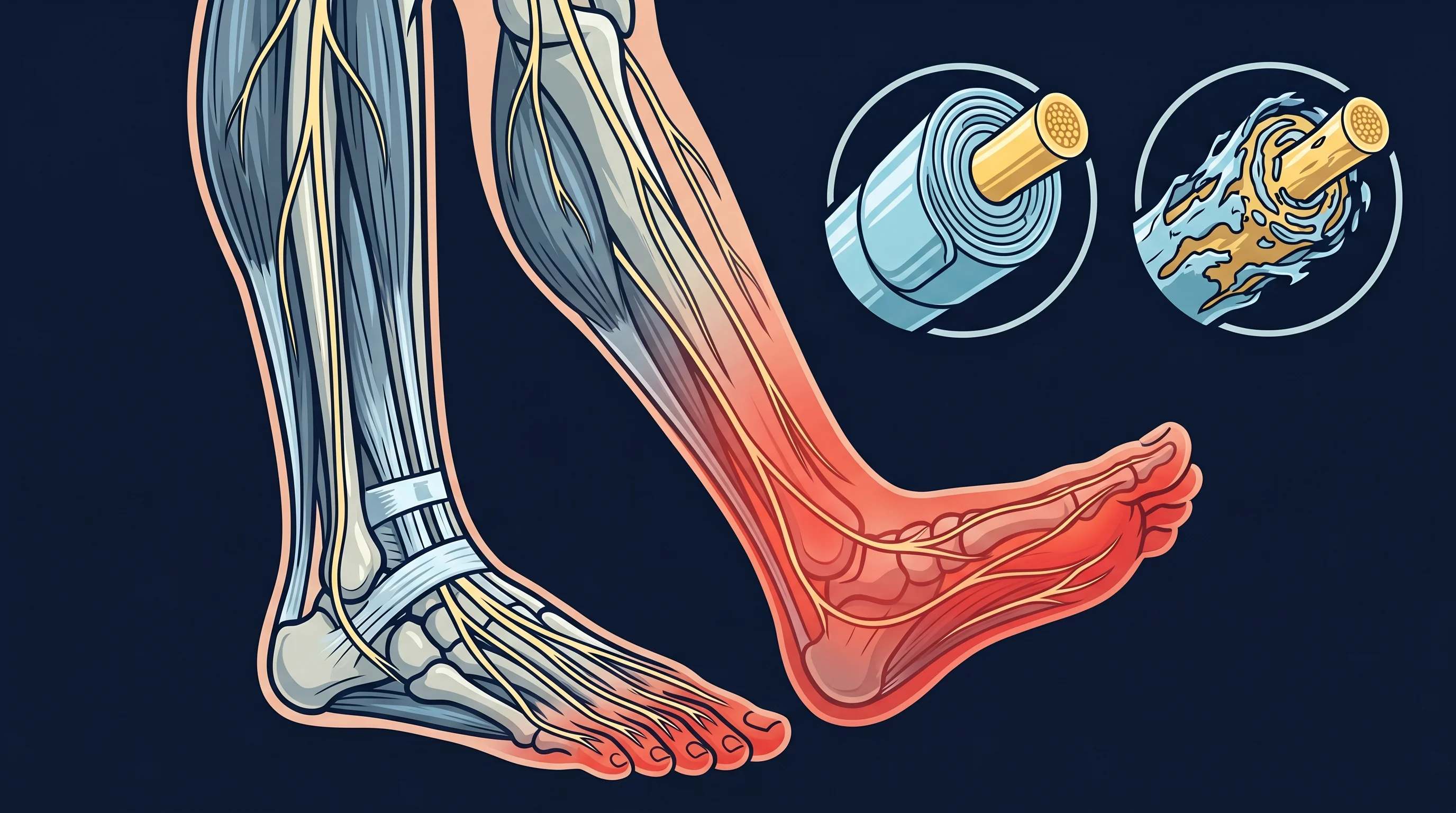
Nerve damage from diabetes, chemotherapy, autoimmune conditions, and other causes disrupts normal signal transmission. Neuromodulation technique targets these disrupted pathways to reduce burning, tingling, and numbness. For patients already on neuropathy medications, this technique can provide additional symptom relief without adding another drug to the regimen. In St. Louis, where diabetic neuropathy is prevalent due to high diabetes rates, neuromodulation technique offers an alternative or complementary approach to pharmaceutical management.
Chronic Pain
When pain persists beyond normal tissue healing time, the nervous system often becomes part of the problem. Central sensitization amplifies pain signals, making the brain interpret normal sensations as painful. Neuromodulation technique addresses this central amplification by recalibrating the signaling pathways involved. It targets the dysfunction, not just the symptom.
Fibromyalgia
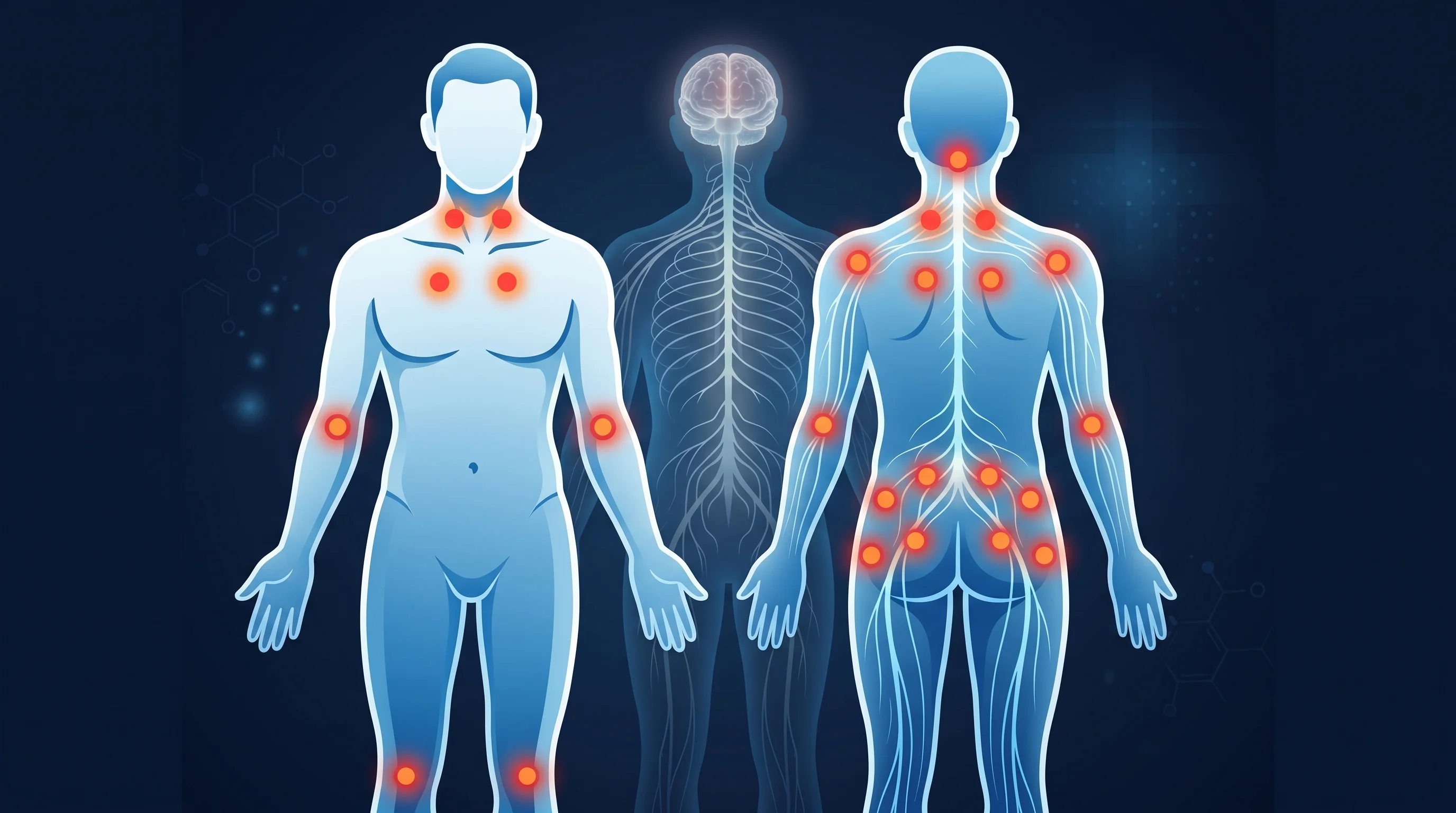
Fibromyalgia involves widespread pain that researchers believe stems from abnormal pain processing in the central nervous system. Patients with fibromyalgia often have heightened sensitivity to stimuli that should not be painful. Neuromodulation technique works directly on these overactive neural pathways. Its drug-free nature is especially relevant for fibromyalgia patients, who frequently experience heightened side effects from pain medications.
Vertigo and Vestibular Disorders
The vestibular system relies on precise nerve signaling between the inner ear and the brain. When these signals become disrupted, dizziness, balance problems, and vertigo result. Neuromodulation technique can recalibrate vestibular signaling pathways, reducing the frequency and severity of vertigo episodes. This application is less widely known than pain treatment, but patients with chronic vestibular dysfunction often respond favorably.
Neuropathy in Feet
Foot-specific neuropathy symptoms, including burning soles, numbness while walking, and electric shock sensations, respond to neuromodulation technique’s targeted signal correction. Treatment can be combined with protective footwear strategies and neuropathy-specific treatment protocols for a more complete approach.
Advantages of Neuromodulation Technique at St. Louis Pain Center
Completely Drug-Free
No oral medications. No injected substances. No topical agents. Neuromodulation technique works entirely through neurological signal modification. This means no risk of drug interactions, no liver or kidney burden, and no dependency potential. For patients already managing multiple medications, adding a drug-free therapy reduces total pharmacologic load.
No Reported Side Effects
Unlike most pain treatments, neuromodulation technique carries no known side effect profile. Patients do not experience sedation, weight gain, cognitive fog, nausea, or any of the other common side effects associated with pain medications. This makes it appropriate for virtually any patient population, including those with medication sensitivities and elderly patients on complex medication regimens.
Addresses Root Neurological Dysfunction
Most pain treatments manage symptoms. Neuromodulation technique targets the neurological dysfunction creating those symptoms. When nerve signaling pathways are recalibrated, the improvement can outlast the treatment session itself. Over a series of sessions, cumulative changes in nerve function can produce sustained improvement.
Complements Existing Treatments
Neuromodulation technique does not replace your current treatment plan. It enhances it. Patients using medications, receiving injections, or undergoing other pain treatments can add neuromodulation technique without conflicts. It works through a different mechanism than any pharmacologic or interventional treatment, so it layers effectively onto existing protocols.
Why Choose St. Louis Pain Center for Neuromodulation Technique?
St. Louis Pain Center integrates neuromodulation technique into a broader pain management strategy. We do not offer it in isolation. Your provider evaluates your complete clinical picture, including diagnostic testing, imaging, and medication history, before recommending neuromodulation technique as part of your plan.
This integration matters. Neuromodulation technique produces the best results when paired with accurate diagnosis and coordinated treatment. A patient with diabetic neuropathy benefits from neuromodulation technique alongside glycemic optimization and appropriate medications. A fibromyalgia patient may combine neuromodulation with carefully managed pharmacologic support.
Our clinic sits near Washington University School of Medicine, reinforcing our commitment to evidence-based approaches. We track patient outcomes and adjust treatment frequency based on measurable response.
Explore our full range of pain control treatments to see how neuromodulation technique fits alongside other services we offer.
Convenient Access from Lemay, Oakville, and Surrounding Neighborhoods in St. Louis
St. Louis Pain Center is located at 4455 Telegraph Rd #250, St. Louis, MO 63129. Patients from Lemay, Oakville, Mehlville, Affton, Concord, Arnold, Fenton, Crestwood, Sunset Hills, Webster Groves, and Kirkwood visit for neuromodulation technique sessions and related pain treatment.
Our South County location provides easy access from Interstate 255, Telegraph Road, and Gravois Road. Patients referred by physicians affiliated with Washington University School of Medicine and other regional practices appreciate our convenient location for the recurring visits that neuromodulation treatment requires.
Schedule Your Neuromodulation Technique Appointment
If pain medications have reached their limit, or if you prefer a drug-free approach to pain and neuropathy management, neuromodulation technique may be the treatment you have been looking for.
Call (314) 846-2100 or visit us at 4455 Telegraph Rd #250, St. Louis, MO 63129 to schedule your consultation.
Neuromodulation Technique FAQs for St. Louis Patients
How is neuromodulation technique different from spinal cord stimulation?
Spinal cord stimulation requires surgery to implant electrodes along the spinal cord. Neuromodulation technique is completely non-invasive. No surgery, no implants, no incisions. It works externally to recalibrate nerve signaling pathways without altering your body.
How is neuromodulation technique different from TMS?
Transcranial magnetic stimulation (TMS) uses magnetic pulses directed at specific brain regions to modify neural activity. Neuromodulation technique works with the peripheral and central nervous system’s signaling patterns without magnetic pulses. They are fundamentally different approaches to neurological modulation.
How many sessions will I need?
Session frequency depends on your condition and response. Some patients notice improvement within the first few sessions. A typical initial protocol involves weekly sessions over several weeks, with reassessment to determine whether continued treatment is beneficial. Your provider will design a schedule based on your diagnosis and early response.
Does it hurt?
No. Neuromodulation technique is non-invasive and painless. Patients typically sit or recline comfortably during the session. There is no recovery time afterward, and you can resume normal activities immediately.
Can neuromodulation technique help my vertigo?
Yes. Neuromodulation technique has been applied successfully to vestibular disorders, including chronic vertigo. It targets the neural pathways involved in balance and spatial orientation. Patients with vertigo that has not responded to vestibular rehabilitation or medication may benefit from this approach.
Is neuromodulation technique covered by insurance?
Coverage varies by insurance plan. Our office verifies your benefits before treatment begins and can discuss payment options if coverage is limited. Call (314) 846-2100 for specific coverage questions.
Related Services
Neuromodulation technique integrates with multiple treatment approaches at St. Louis Pain Center. Neuropathy treatment provides the diagnostic testing and medication protocols that complement neuromodulation sessions. Medication management ensures your pharmacologic regimen supports your drug-free neuromodulation treatment rather than working against it. Nerve blocks address specific nerve pain that may benefit from both signal interruption and signal recalibration.
Visit our St. Louis Pain Center pain control page for a complete overview of treatment options available to you.
Conditions This Treatment Addresses

Frequently Asked Questions
Get Started Today
Ready to Start Your Recovery?
Take the first step. Our team is ready to help you reclaim your life from pain.