
Medication Management
Pain medication management with opioid-sparing protocols and multimodal strategies. St. Louis Pain Center tailors regimens for chronic pain patients.
Learn MoreDiabetic neuropathy causes nerve damage from high blood sugar. St. Louis Pain Center provides targeted neuropathy treatment, medication management, and neuromodulation.
Diabetic neuropathy is nerve damage caused by prolonged high blood sugar levels, affecting up to half of all diabetes patients. St. Louis Pain Center in St. Louis treats diabetic nerve pain with neuropathy-specific protocols, medication management, and neuromodulation therapy. Treatment can reduce pain, slow nerve damage, and restore daily function even in advanced cases.
You managed the diabetes. You watched your diet, took your medication, and kept your appointments. Then the tingling started in your feet. A strange numbness that came and went. Eventually, the burning set in, and sleep became a nightly battle.
Diabetic neuropathy is one of the most common complications of diabetes, and it catches many patients off guard. The Midwest carries some of the highest obesity and diabetes rates in the country, which means St. Louis residents face elevated risk for this condition. It is not a matter of personal failure. Nerve damage can develop even in patients who manage their blood sugar carefully.
The frustration is real. You have already been fighting one condition, and now a second one demands attention. Many patients feel overwhelmed. Some assume nerve pain is just something they have to accept.
It is not. Effective treatment exists. Pain levels can drop significantly. Nerve function can stabilize. The sooner treatment begins, the more nerve tissue can be preserved. If you are experiencing new or worsening symptoms in your hands or feet, this page explains what is happening and what St. Louis Pain Center can do about it.
Answer Capsule: Diabetic neuropathy occurs when elevated blood sugar levels damage nerve fibers throughout the body. It most commonly affects the legs and feet, causing pain, numbness, and weakness that worsens without treatment.
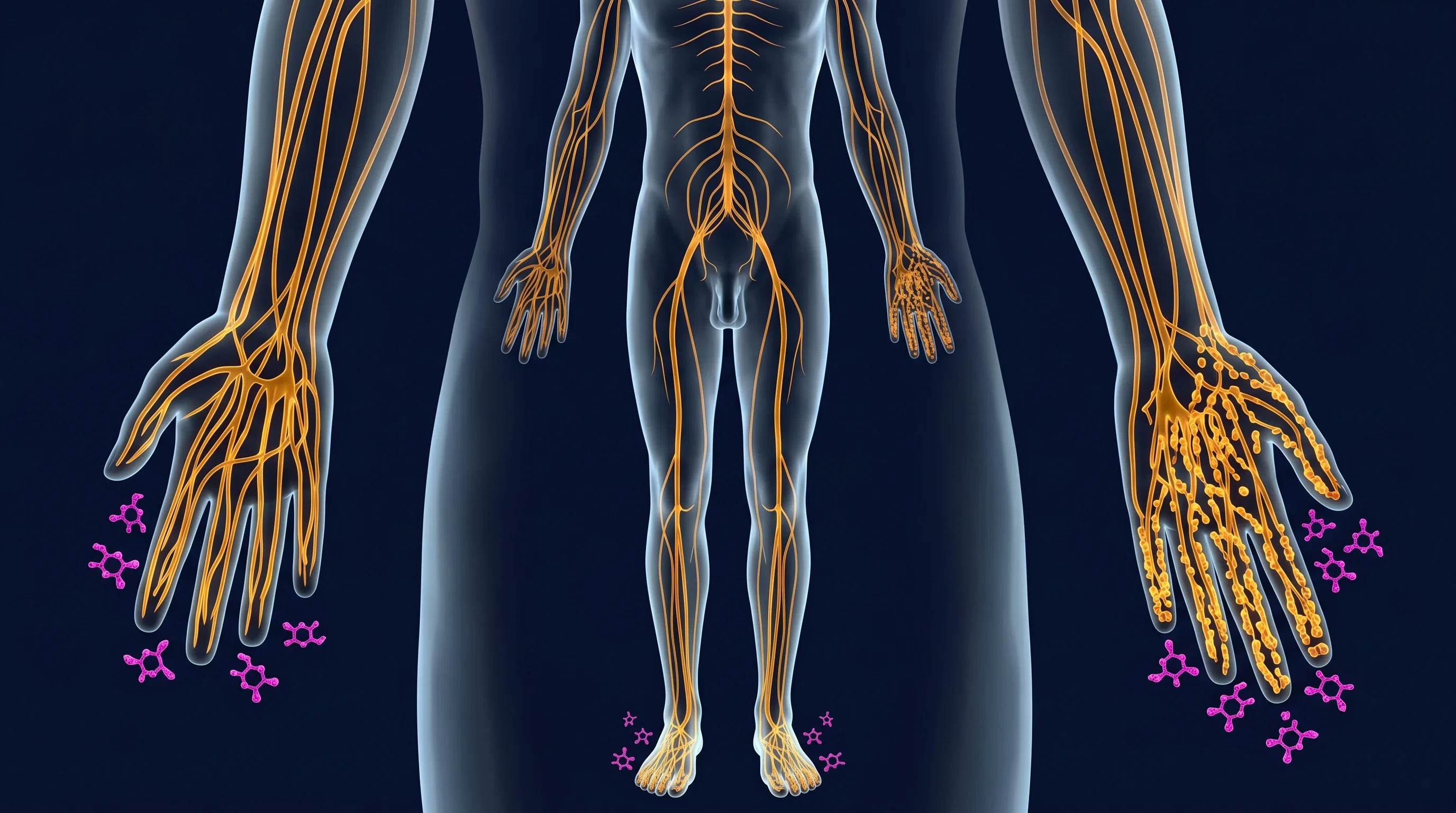
Glucose is fuel for the body, but too much of it becomes toxic to nerves. Over months and years, excess blood sugar damages the small blood vessels that supply oxygen and nutrients to nerve fibers. Without that supply, nerves begin to malfunction and eventually die.
The damage follows a predictable pattern. The longest nerves in the body are affected first, which is why symptoms almost always start in the feet and work upward. There are four main types of diabetic neuropathy:
Peripheral neuropathy is the most common type and affects the feet, legs, hands, and arms. Autonomic neuropathy damages nerves that control internal organs, affecting digestion, bladder function, and heart rate. Proximal neuropathy targets nerves in the thighs, hips, and buttocks. Focal neuropathy strikes a single nerve, often in the head, torso, or leg.
Most patients at St. Louis Pain Center present with peripheral diabetic neuropathy, though overlapping types are common. A thorough evaluation identifies all affected nerve pathways so treatment can address the complete picture.
Persistently elevated blood sugar is the primary driver of diabetic nerve damage. High glucose levels generate toxic byproducts that directly injure nerve cell membranes. Even blood sugar levels that are “borderline” can cause cumulative damage over years.
Diabetes damages the tiny blood vessels that feed nerve tissue. When these vessels narrow or become blocked, nerves are starved of oxygen and nutrients. This vascular component explains why patients with both diabetes and cardiovascular risk factors develop neuropathy faster.
Excess body weight increases inflammation throughout the body, accelerating nerve damage. The Midwest’s higher-than-average rates of metabolic syndrome make this a particularly relevant factor for St. Louis area patients. Weight management plays a direct role in slowing neuropathy progression.
The longer a person lives with diabetes, the greater the risk of neuropathy. Patients who have had Type 2 diabetes for 10 or more years face substantially higher rates of nerve damage than those diagnosed more recently. This is true regardless of how well blood sugar has been controlled.
Smoking constricts blood vessels, compounding the vascular damage diabetes already causes. Alcohol is directly toxic to nerve tissue and also impairs the body’s ability to absorb B vitamins essential for nerve health. Both habits significantly accelerate neuropathy progression.
Some individuals carry genetic variations that make their nerves more vulnerable to glucose-related damage. Researchers have identified several gene markers associated with higher neuropathy risk. Family history of neuropathy among diabetic relatives is a meaningful risk signal.
Answer Capsule: Treatment for diabetic neuropathy combines pain control, nerve protection, and metabolic management. A multi-therapy approach slows damage progression while providing meaningful pain relief.
Our neuropathy treatment program addresses the specific nerve fiber types affected by diabetes. Treatment protocols are calibrated based on diagnostic findings, targeting both large-fiber and small-fiber neuropathy. Patients receive a structured treatment series designed to reduce pain signals, improve circulation to damaged nerves, and support nerve regeneration where possible.
Medication management for diabetic neuropathy goes beyond simple pain relief. Specific drug classes have been shown to calm hyperactive nerve signals, including certain anticonvulsants and serotonin-norepinephrine reuptake inhibitors. Topical options deliver localized relief. Our approach coordinates neuropathy medications with existing diabetes treatments to avoid interactions and maximize effectiveness.
Neuromodulation offers a technology-based solution for diabetic nerve pain that resists other treatments. Electrical signals are delivered to targeted nerve pathways, interrupting pain transmission before it reaches the brain. This approach is especially valuable for patients who cannot tolerate additional systemic medications due to their existing diabetes regimen.
While St. Louis Pain Center focuses on nerve pain, we coordinate closely with your diabetes care team. Tighter glycemic control is the single most important factor in slowing neuropathy progression. We provide guidance on how pain management strategies interact with blood sugar levels and ensure treatment plans support overall metabolic health.
Diabetic neuropathy sits at the intersection of metabolic disease and neurological injury, requiring knowledge in both areas. The St. Louis medical community benefits from proximity to Washington University School of Medicine, which conducts significant research into diabetes complications and nerve damage. This academic environment elevates care standards across the region.
St. Louis Pain Center provides specialized neuropathy care for the diabetic population. Our team understands the unique challenges of treating nerve pain in the context of an ongoing metabolic condition, and our protocols reflect that complexity.
Our clinic at 4455 Telegraph Rd #250, St. Louis, MO 63129 serves patients from Oakville, Mehlville, Lemay, Affton, Concord, Arnold, Fenton, Crestwood, Sunset Hills, Webster Groves, and Kirkwood. Call (314) 846-2100 for directions or scheduling assistance.
Nerve damage from diabetes does not pause on its own. Every month without treatment allows further deterioration. Call St. Louis Pain Center at (314) 846-2100 or request an appointment online to begin your evaluation.
[Schedule an Appointment]{.cta-button}
In some cases, early-stage nerve damage can partially recover when blood sugar is brought under tight control and targeted treatment is applied. More advanced damage is harder to reverse, though symptoms can still be significantly reduced. The most realistic goal for many patients is stopping progression and managing pain effectively.
It varies widely. Some patients develop symptoms within a few years of diabetes diagnosis. Others live with diabetes for decades before neuropathy appears. Pre-diabetic blood sugar levels can also cause nerve damage, which is why some patients have neuropathy symptoms before they even receive a diabetes diagnosis.
Yes. Losing excess weight reduces systemic inflammation, improves blood sugar control, and enhances blood flow to nerve tissue. Studies show that even moderate weight loss of 5-10% of body weight can slow neuropathy progression and reduce pain levels.
Diabetic neuropathy is specifically caused by blood sugar damage to nerves. Other forms of neuropathy can result from autoimmune disease, infections, vitamin deficiencies, or unknown causes. The treatment approach differs based on the underlying cause, which is why accurate diagnosis matters.
Both. Your endocrinologist manages the diabetes itself, while a pain specialist addresses the nerve damage and pain symptoms directly. Coordinated care between both providers produces the best outcomes. St. Louis Pain Center works alongside your existing diabetes care team.
Foot numbness has several possible causes, including compressed nerves, circulation problems, and vitamin deficiencies. A diagnostic evaluation that includes nerve assessment and blood work can determine whether diabetes is the cause. If you have diabetes and develop new numbness in your feet, prompt evaluation is strongly recommended.
Diabetic neuropathy is one form of a broader category of nerve damage. Learn more about peripheral neuropathy in general, or neuropathy in feet for information specific to lower extremity symptoms. Many diabetic neuropathy patients also manage chronic pain that benefits from an integrated treatment plan.
Our specialists may recommend one or more of these evidence-based treatments for your condition.
Pain medication management with opioid-sparing protocols and multimodal strategies. St. Louis Pain Center tailors regimens for chronic pain patients.
Learn More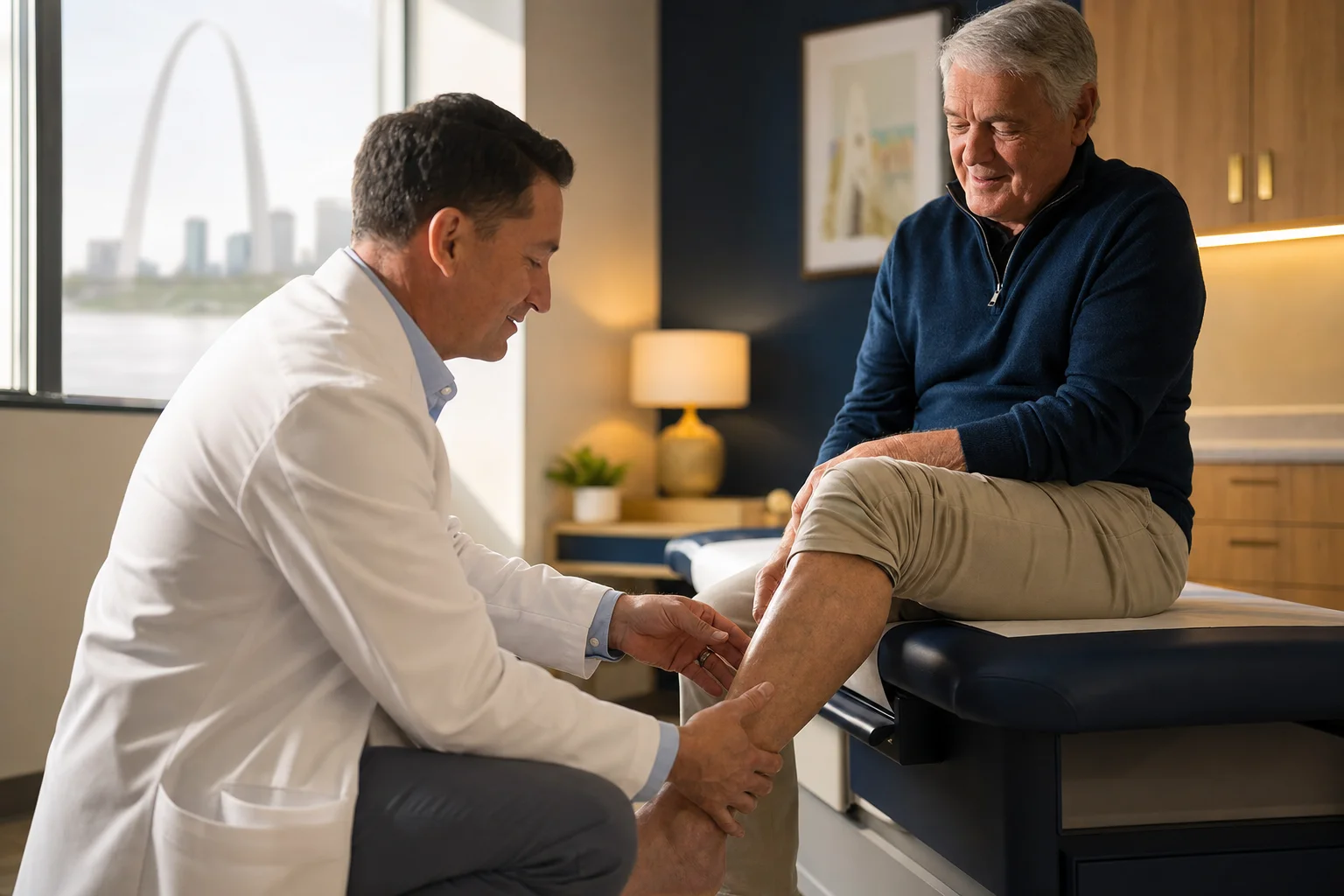
Neuropathy treatment for burning, tingling, and numbness in St. Louis. Nerve testing, medication protocols, and advanced therapies at St. Louis Pain Center.
Learn More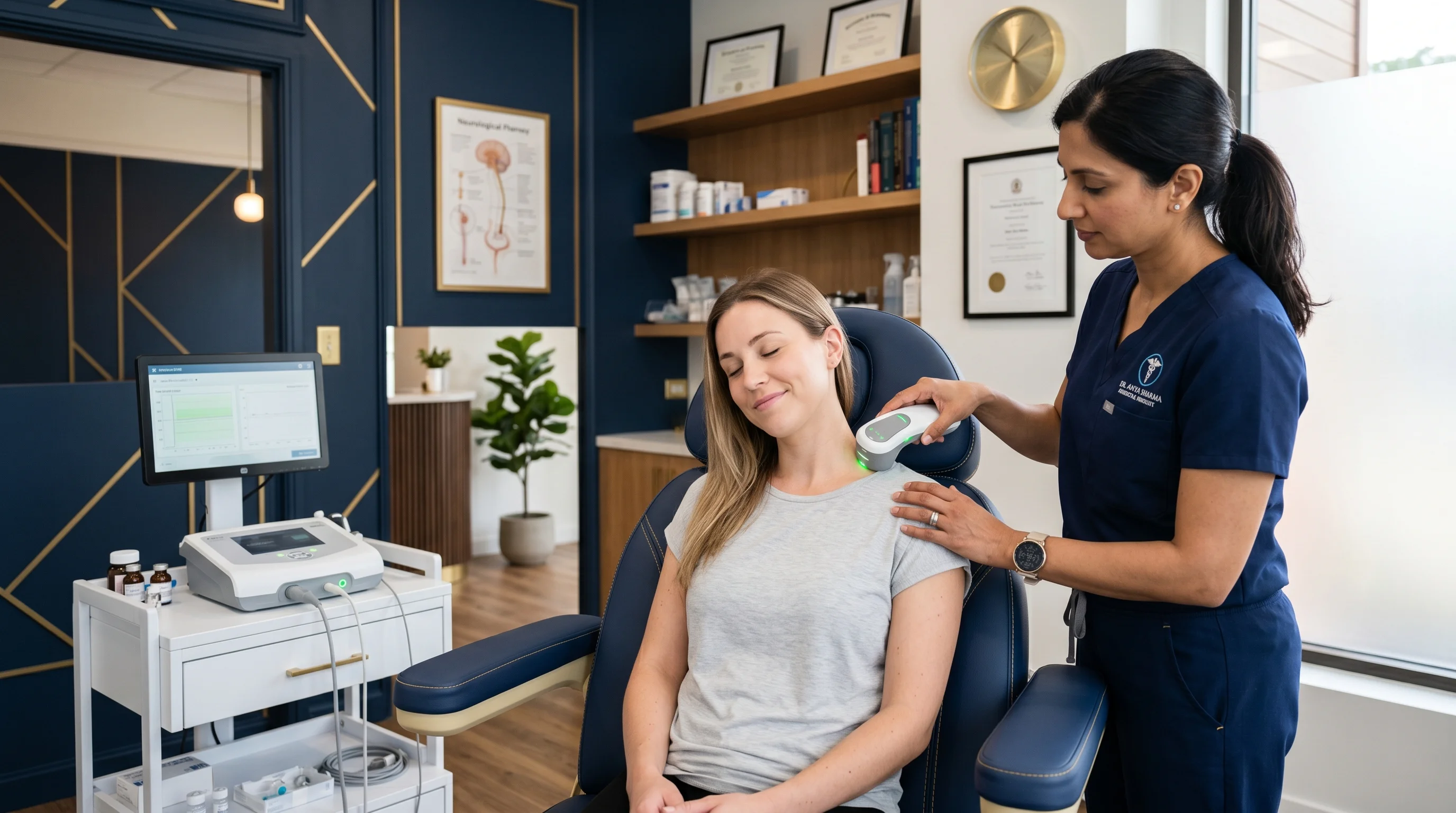
Neuromodulation technique offers drug-free pain relief by recalibrating nerve signals. No side effects. Learn how it works at St. Louis Pain Center.
Learn MoreGet Started Today
Take the first step. Our team is ready to help you reclaim your life from pain.