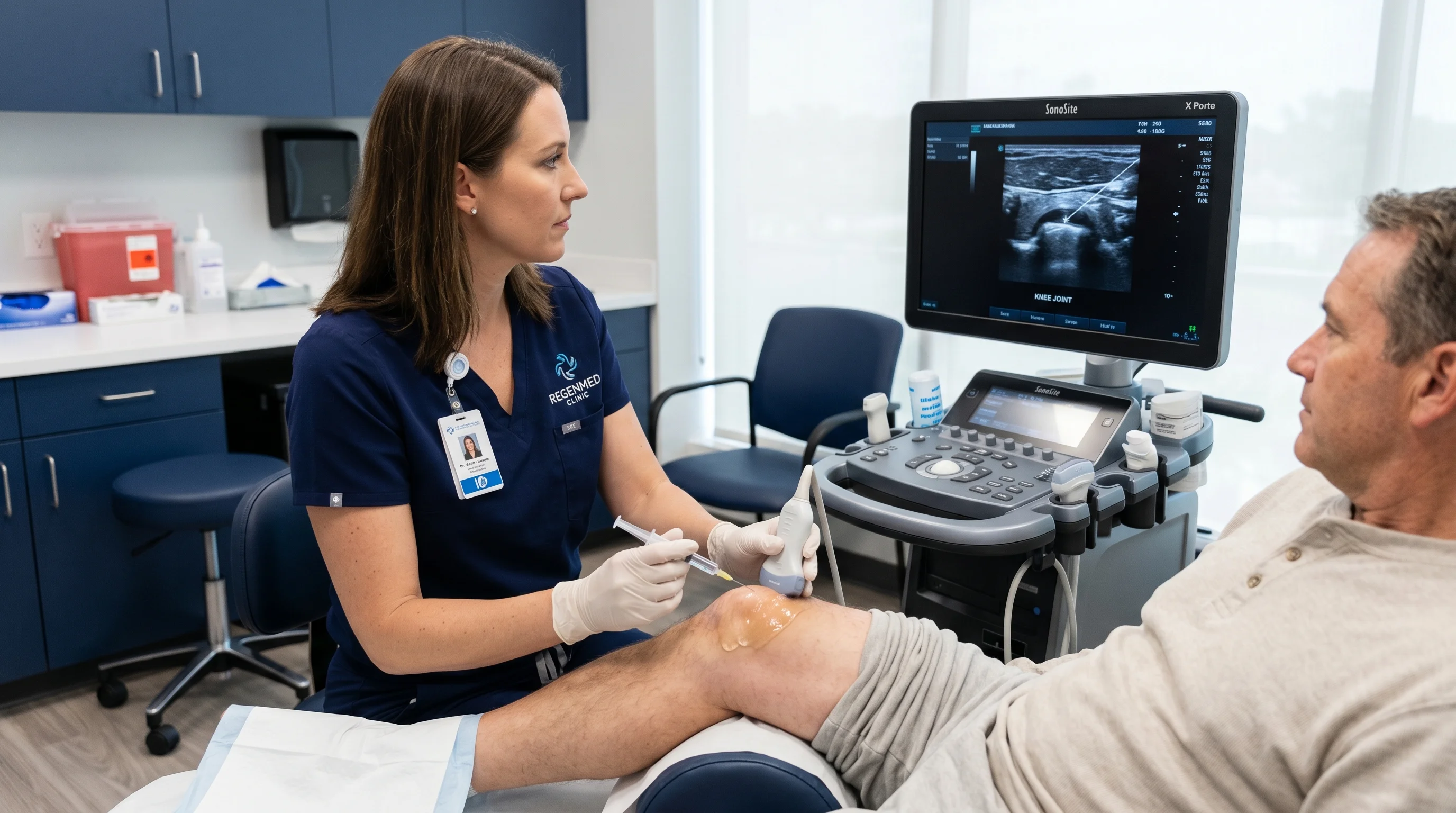
Regenerative Therapy in St. Louis, MO
Regenerative therapy at St. Louis Pain Center promotes natural tissue repair for arthritis and joint pain without surgery. Non-invasive protocols with minimal downtime.
St. Louis Pain Center is conveniently located in the south St. Louis community, serving the same area as Washington University School of Medicine-affiliated practices.
At a Glance
- Treatment: Non-surgical therapies that support the body’s natural tissue repair mechanisms
- Purpose: Reduce pain and improve function in damaged joints, cartilage, and soft tissue
- Approach: May combine multiple regenerative techniques based on condition severity
- Surgery required: No
- Downtime: Minimal; most patients return to daily activities within days
- Location: St. Louis Pain Center, 4455 Telegraph Rd #250, St. Louis, MO 63129
When Joint Damage Feels Irreversible
You have been told your cartilage is wearing away. Maybe an X-ray showed bone-on-bone changes. Maybe an MRI revealed thinning in places that used to have thick, healthy cushioning. The word “degenerative” appeared in your report, and it felt permanent.
That feeling is understandable. For decades, the medical model for joint degeneration followed a single path: manage the pain until it becomes unbearable, then replace the joint. Physical therapy, medications, and injections were treated as bridges to an inevitable surgery.
Regenerative medicine challenges that model. Instead of masking symptoms or waiting for surgical candidacy, regenerative therapies work with your body’s own repair systems. They deliver biological signals that recruit healing cells, reduce destructive inflammation, and support new tissue growth.
In St. Louis, joint degeneration is especially common. Sedentary winters, desk-bound workdays, and rising obesity rates all increase the mechanical load on weight-bearing joints. These factors accelerate cartilage loss and make regenerative treatment a relevant option for a growing number of patients.
What Is Regenerative Therapy?
Regenerative therapy is a category of non-surgical treatments designed to support and enhance the body’s natural ability to repair damaged tissue. Rather than replacing worn-out parts, these therapies provide the biological raw materials and signals that tissue needs to heal itself.
Traditional pain management focuses on blocking pain signals or reducing inflammation. Those approaches address symptoms. Regenerative therapy targets the underlying tissue damage that produces those symptoms.
The human body already contains repair mechanisms. When you cut your skin, platelets rush to the wound, release growth factors, and recruit cells that lay down new tissue. The same biological processes exist for joints, tendons, and cartilage. They simply work more slowly in these areas due to limited blood flow and constant mechanical stress.
Regenerative therapies amplify those natural processes. They concentrate healing factors and deliver them directly to the site of damage. The goal is to shift the balance from ongoing degeneration toward active repair.
Several regenerative approaches exist, and they work through different mechanisms:
- Platelet-rich plasma (PRP) concentrates growth factors from your own blood to stimulate tissue repair
- Hyaluronic acid injections restore joint lubrication and reduce friction-driven damage
- Combined protocols layer multiple therapies to address different aspects of joint degeneration simultaneously
The key distinction between regenerative therapy and conventional treatment is intent. Conventional treatment manages symptoms. Regenerative therapy aims to improve the condition of the tissue itself. This does not mean damaged cartilage regrows to its original state in every case. It means the biological environment around the damaged tissue becomes more favorable for repair, slower degeneration, and better function.
Conditions We Treat with Regenerative Therapy in St. Louis
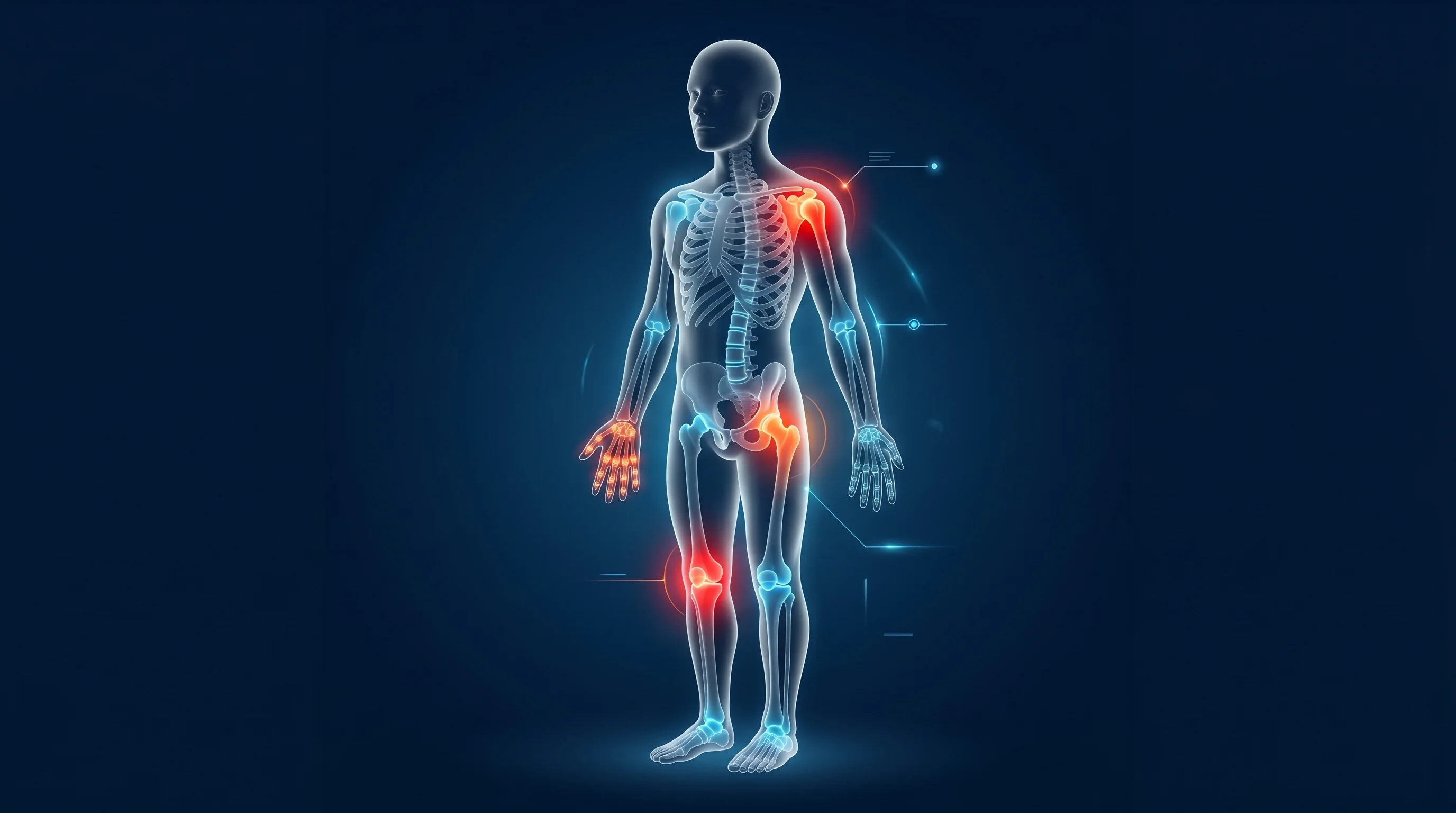
Regenerative therapies apply to a wide range of musculoskeletal conditions. They are especially relevant when traditional conservative treatments have plateaued and surgery is either premature or undesirable.
Osteoarthritis
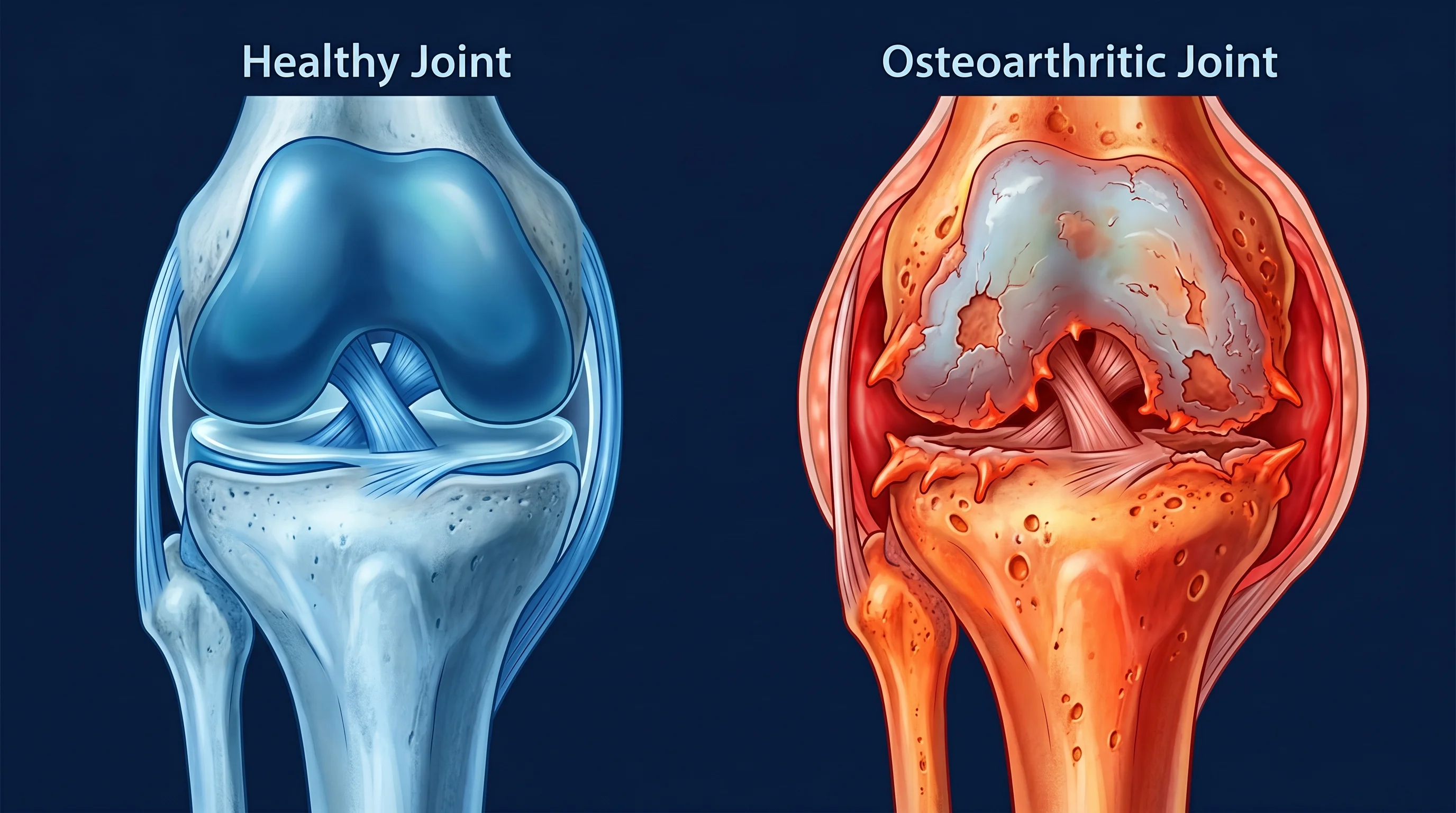
Osteoarthritis is the most common form of joint degeneration. Cartilage breaks down, synovial fluid loses its viscosity, and bone surfaces become irregular. Regenerative therapies address multiple layers of this process. PRP delivers growth factors that may slow cartilage degradation. Hyaluronic acid restores the lubricating environment. Combined protocols tackle both the structural and biochemical aspects of the disease.
Chronic Joint Pain
Persistent joint pain that does not respond to rest, physical therapy, or oral medications often indicates tissue-level damage that requires a biological intervention. Regenerative therapy provides that intervention by targeting the damaged tissue directly rather than numbing the pain signal.
Knee Pain from Cartilage Loss
The knee bears enormous load with every step. When cartilage thins, the cushioning disappears, and every movement creates friction. Regenerative therapy for knee pain focuses on improving the joint environment, reducing inflammation, and supporting whatever cartilage remains. For patients with mild to moderate cartilage loss, this approach can delay or eliminate the need for total knee replacement.
Tendon and Ligament Degeneration
Tendons and ligaments can weaken over time, especially in patients with repetitive motion injuries or prior trauma. Regenerative therapies stimulate collagen production and improve blood flow to these poorly vascularized tissues. The result is stronger, more resilient connective tissue.
Joint Inflammation That Persists Despite Medication
Some patients take anti-inflammatory medications for months without lasting relief. The inflammation keeps returning because the underlying tissue damage keeps triggering it. Regenerative therapy breaks this cycle by addressing the root cause. When the tissue environment improves, the inflammatory signals decrease naturally.
Advantages of Regenerative Therapy at St. Louis Pain Center
Regenerative medicine is a growing field with significant variation in quality between providers. The difference between a successful outcome and a disappointing one often depends on clinical expertise, proper patient selection, and protocol design.
Targets the Source, Not Just the Symptom
Pain medications block signals. Corticosteroid injections suppress inflammation temporarily. Regenerative therapy aims to improve the condition of the tissue that is producing the pain. This distinction matters for long-term outcomes. Treating symptoms without addressing their cause creates a cycle of recurring appointments and diminishing returns.
No Surgery, No General Anesthesia
All regenerative therapies offered at St. Louis Pain Center are performed in the office setting. There are no surgical incisions, no hospital stays, and no general anesthesia. This reduces risk, eliminates lengthy recovery periods, and allows patients to return to daily routines quickly.
Customized Protocols for Each Patient
Joint degeneration presents differently in every patient. The severity of cartilage loss, the location of damage, the patient’s age, weight, and activity goals all influence which regenerative approach will work best. At St. Louis Pain Center, treatment protocols are tailored to the individual. Some patients benefit from a single therapy. Others need a layered approach that combines multiple regenerative techniques over time.
Why Choose St. Louis Pain Center for Regenerative Therapy?
Regenerative medicine requires careful patient selection. Not every joint condition responds equally to these treatments. Knowing when regenerative therapy is appropriate, and when it is not, requires experience with a high volume of musculoskeletal cases.
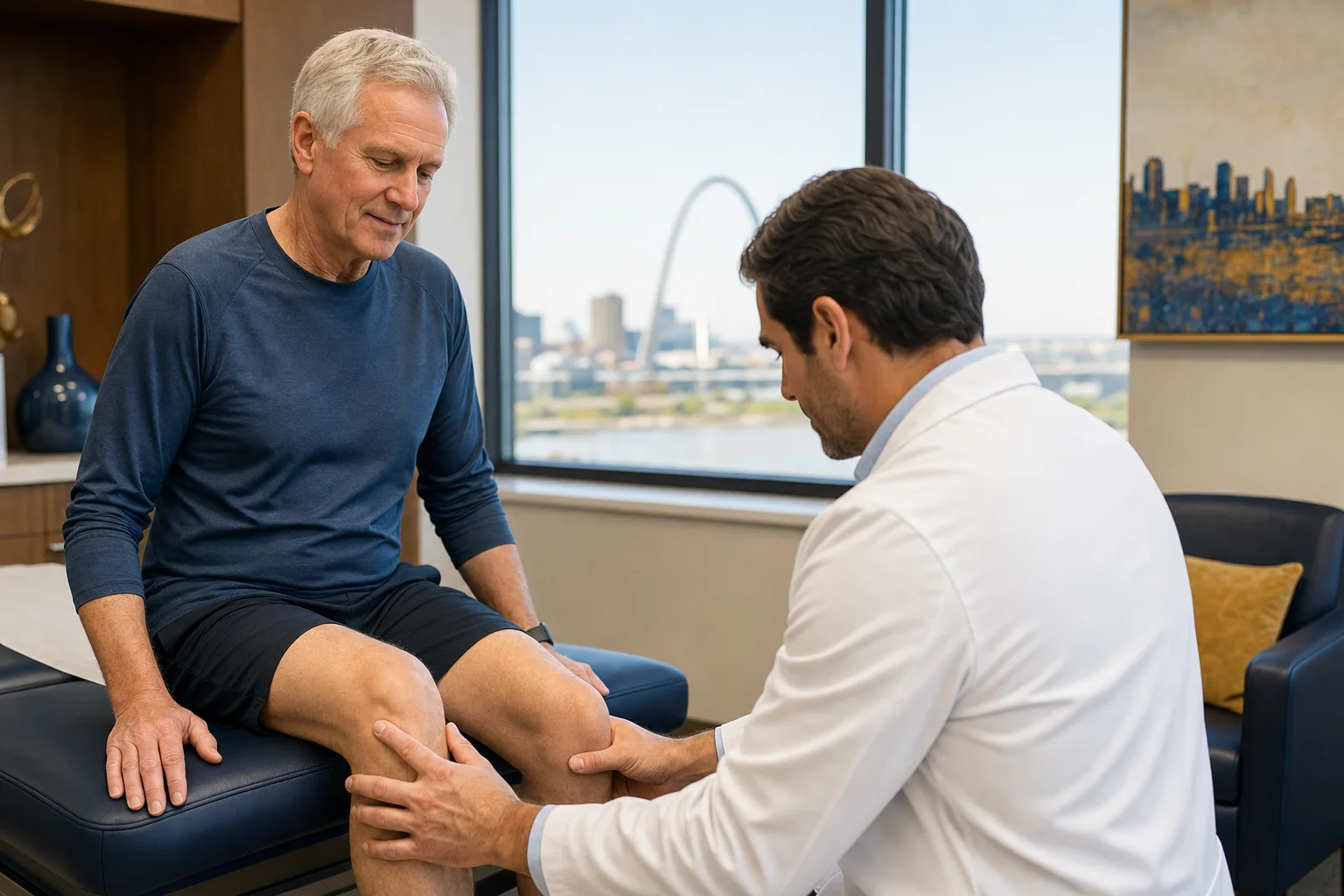
St. Louis Pain Center evaluates each patient thoroughly before recommending regenerative treatment. This includes imaging, a detailed history, and a clear discussion of realistic expectations. The clinic is located near Washington University School of Medicine, serving the same south St. Louis community with focused pain care.
For more orthopedic treatments, visit our Orthopedic Services page.
Convenient Access from Oakville, Mehlville, and South St. Louis
St. Louis Pain Center is located at 4455 Telegraph Rd #250, St. Louis, MO 63129. The clinic serves patients from Oakville, Mehlville, Lemay, Affton, Concord, Arnold, Fenton, Crestwood, Sunset Hills, Webster Groves, and Kirkwood.
Located minutes from Washington University School of Medicine, the office is positioned for easy access from neighborhoods across south St. Louis. Free parking is available on-site.
Schedule Your Regenerative Therapy Appointment
If joint pain or arthritis is affecting your quality of life and you want to explore non-surgical options, regenerative therapy may be a strong fit. Call St. Louis Pain Center at (314) 846-2100 to schedule a consultation and discuss whether regenerative treatment is right for your condition.
[Schedule an Appointment — (314) 846-2100]
Regenerative Therapy FAQs for St. Louis Patients
What makes regenerative therapy different from regular injections?
Standard injections like corticosteroids reduce symptoms temporarily. Regenerative therapies aim to improve the biological environment around damaged tissue, supporting repair rather than masking pain. The goal is to change the trajectory of the condition, not just manage its symptoms.
Is regenerative therapy a replacement for surgery?
For some patients, regenerative therapy reduces pain and improves function enough to avoid surgery entirely. For others, it provides meaningful relief and delays the need for surgical intervention. It is not a guaranteed substitute for joint replacement in cases of severe, advanced degeneration.
How long does it take to feel results?
Results develop gradually over weeks to months. Most patients notice improvement within 4 to 8 weeks. Tissue repair is a biological process that cannot be rushed. Full benefits may continue developing for 3 to 6 months after treatment.
Are regenerative therapies safe?
Autologous treatments like PRP carry very low risk because they use your own biological material. There is no risk of allergic reaction or immune rejection. Injection-site soreness, mild swelling, and temporary stiffness are the most common side effects.
How do I know which regenerative treatment is right for me?
The appropriate treatment depends on your specific diagnosis, the severity of tissue damage, your overall health, and your functional goals. A thorough evaluation at St. Louis Pain Center, including imaging and a detailed history, will guide the recommendation.
Can I combine regenerative therapy with physical therapy?
Yes. In fact, physical therapy often enhances regenerative treatment outcomes. Strengthening the muscles around a treated joint protects new tissue growth and improves long-term function. Your provider may recommend a coordinated plan that includes both.
Related Services
Regenerative therapy encompasses several specific treatments offered at St. Louis Pain Center. Learn more about PRP Therapy and Hyaluronic Acid Injections as individual options within this category. Visit our Orthopedic Services page for a full listing of joint and musculoskeletal pain treatments.
Conditions This Treatment Addresses
Frequently Asked Questions
Get Started Today
Ready to Start Your Recovery?
Take the first step. Our team is ready to help you reclaim your life from pain.