Hyaluronic Acid Injections St. Louis
Hyaluronic acid knee injections at St. Louis Pain Center restore joint lubrication and reduce osteoarthritis pain. Series of 3-5 injections with 6-12 months relief.
Learn MoreArthritis and osteoarthritis treatment in St. Louis. Hyaluronic acid injections, regenerative therapy, and weight loss programs for lasting joint relief. (314) 846-2100.
Arthritis causes progressive joint pain, stiffness, and loss of function. Osteoarthritis, the most common form, results from cartilage breakdown in weight-bearing joints. At St. Louis Pain Center, we treat arthritis with hyaluronic acid injections, regenerative therapy, and medical weight loss to slow progression and restore mobility. You do not have to accept worsening joint pain as inevitable.
The stiffness greets you each morning. Your knees protest on the stairs. Your hands struggle with jar lids. Over time, the activities you once did without thinking now require deliberation. Walking the dog. Playing with grandchildren. Standing long enough to cook dinner.
Arthritis strips away independence in small increments. The changes feel gradual until one day you realize how much ground you have lost. Friends suggest it is just part of aging. While age is a risk factor, arthritis is a disease process with identifiable causes and treatable mechanisms.
The frustration deepens when over-the-counter medications stop working. Ice and heat provide temporary comfort at best. Joint replacement surgery looms in conversations, and the idea of a major operation is overwhelming. There are effective treatments between “just take ibuprofen” and “you need a new knee.”
Patients across St. Louis deal with these exact frustrations. The good news is that modern interventional treatments can significantly reduce pain, improve joint function, and delay or prevent the need for surgery.
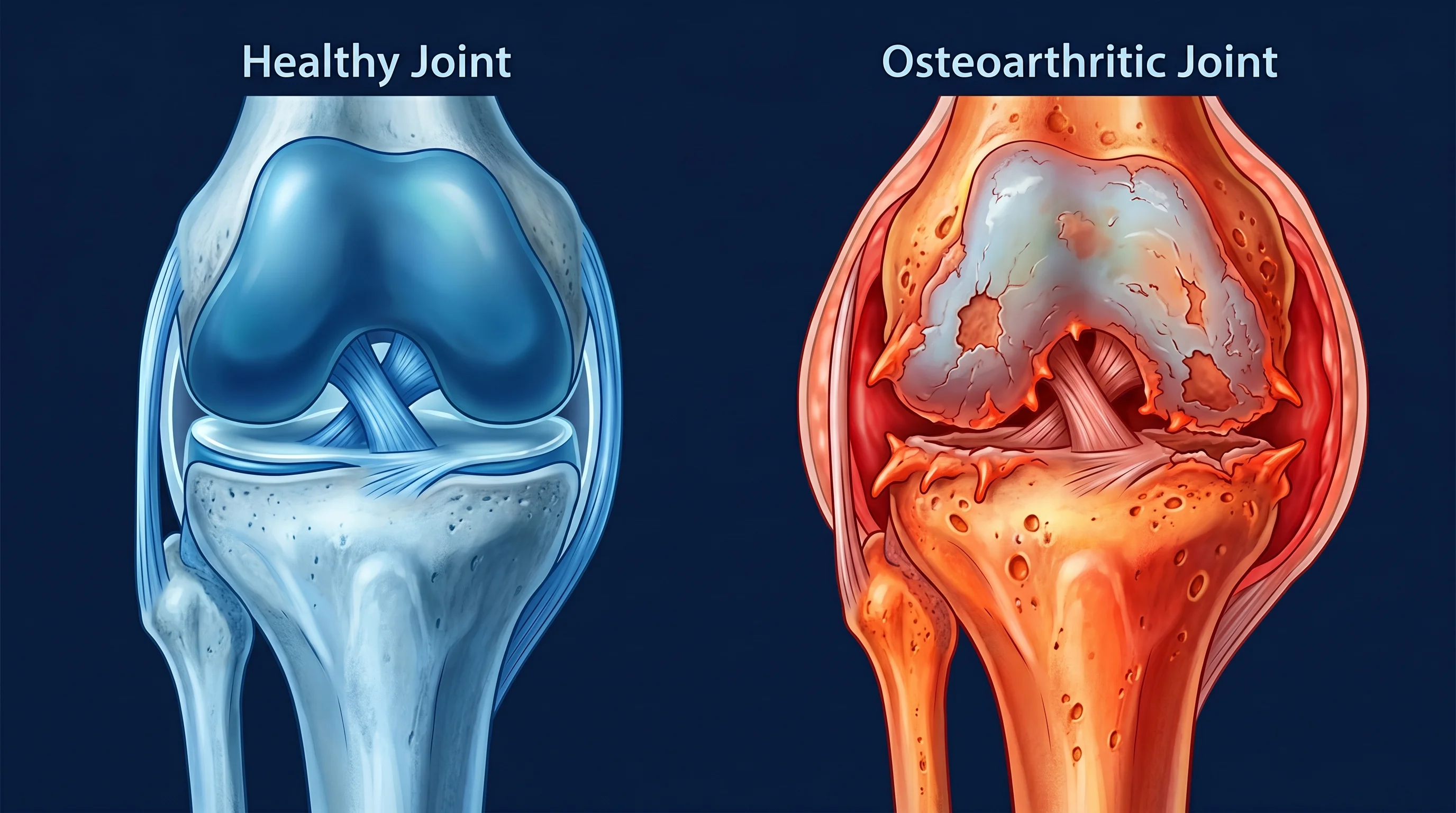
Osteoarthritis is a degenerative joint disease caused by the gradual breakdown of cartilage, the smooth tissue that cushions the ends of bones within a joint. As cartilage wears away, bones begin to rub against each other, producing pain, swelling, and stiffness.
Osteoarthritis differs from rheumatoid arthritis, which is an autoimmune condition. In osteoarthritis, the damage is primarily mechanical and inflammatory rather than immune-driven. The joints most commonly affected are the knees, hips, spine, hands, and shoulders.
Cartilage has limited ability to repair itself because it lacks a direct blood supply. Once significant damage occurs, the body cannot regenerate cartilage on its own. This is why early intervention matters so much. Treatments that reduce joint stress and promote healing in the surrounding tissues can slow the degenerative process substantially.
The inflammatory component of osteoarthritis is now better understood. Damaged cartilage releases enzymes and inflammatory chemicals that accelerate further breakdown. This creates a cycle where joint damage produces inflammation, and inflammation accelerates joint damage. Breaking this cycle is central to effective treatment.
Decades of joint use gradually thin the cartilage surface. Water content in the cartilage decreases while its structural proteins weaken. Most adults over 60 show some degree of osteoarthritic changes on imaging, though not all experience symptoms.
Every extra pound of body weight adds roughly four pounds of force to the knee joint during walking. Obesity dramatically accelerates cartilage breakdown in weight-bearing joints. It also increases systemic inflammation, which compounds the local joint damage.
Fractures, ligament tears, and meniscus injuries alter joint mechanics permanently. Even after surgical repair, the joint may track slightly differently, concentrating stress on specific cartilage zones. Post-traumatic arthritis can develop years or decades after the original injury.
Jobs requiring prolonged kneeling, squatting, heavy lifting, or repetitive hand motions increase osteoarthritis risk in the affected joints. Construction workers, farmers, and assembly line workers face elevated rates.
Family history plays a measurable role. Variations in genes controlling cartilage structure, inflammatory response, and bone shape affect osteoarthritis susceptibility. If your parents or siblings developed arthritis early, your risk is higher.
Bowlegged or knock-kneed alignment shifts mechanical load to one side of the joint. This uneven stress wears cartilage faster on the overloaded side. Alignment issues may be present from birth or develop after injury.
Effective arthritis treatment targets both the inflammatory cycle driving cartilage loss and the mechanical factors placing excess stress on the joint. The goal is to reduce pain, improve function, and slow disease progression.
We approach arthritis care with precision. Joint imaging, physical examination, and your functional goals all inform the treatment plan. Every recommendation serves a specific therapeutic purpose.
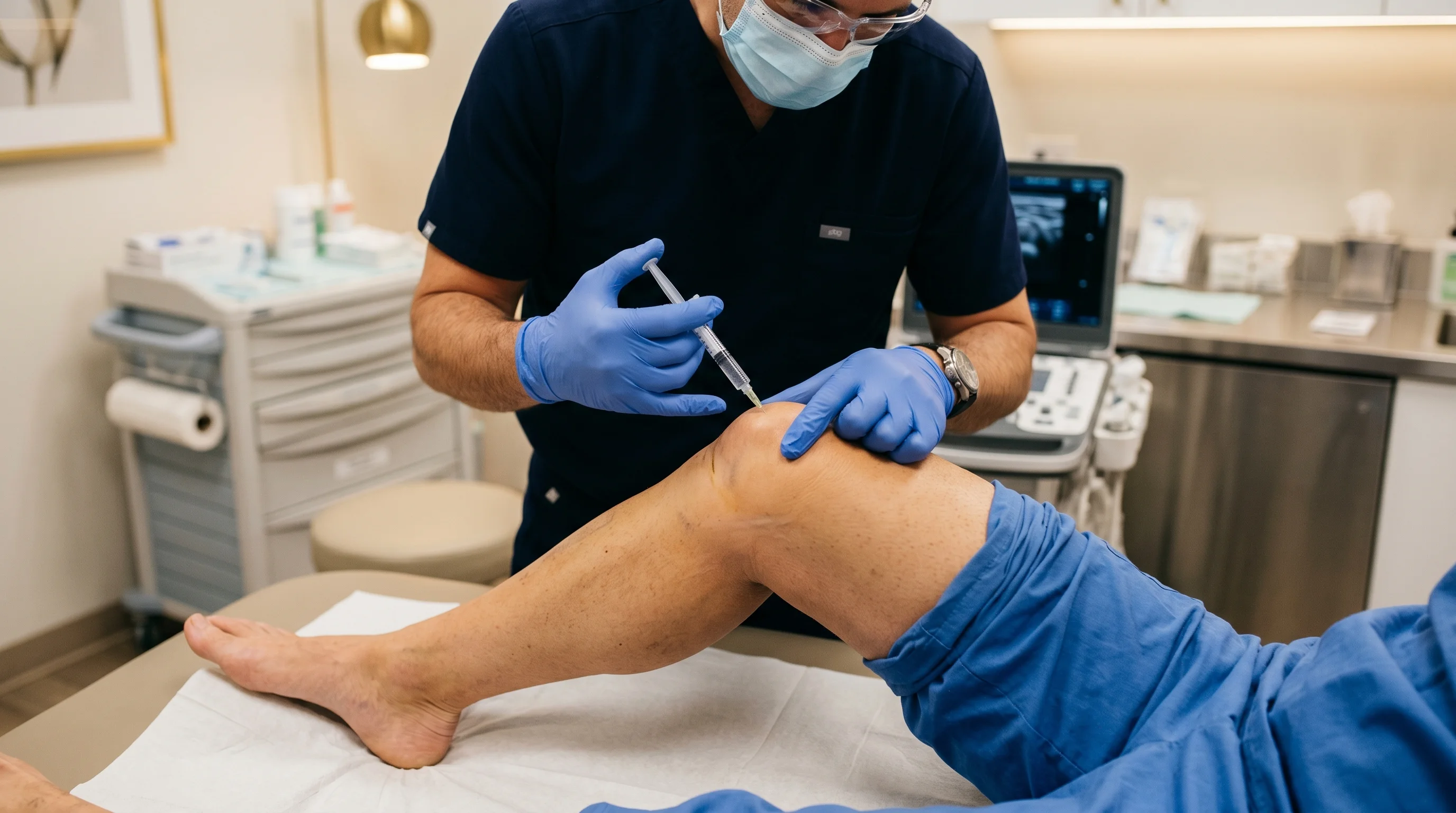
Hyaluronic acid injections restore the natural lubrication and shock absorption that healthy joints provide. Hyaluronic acid is a substance normally found in joint fluid. In arthritic joints, its concentration and quality decline. Supplementing it through injection reduces friction between damaged cartilage surfaces, decreases pain, and improves joint movement. Relief typically lasts several months per treatment cycle.
Regenerative therapy harnesses the body’s own healing mechanisms to address joint damage at the cellular level. These treatments deliver concentrated growth factors and healing cells directly into the arthritic joint. The goal is to reduce inflammation, support tissue repair, and create a more favorable environment for joint recovery. Regenerative approaches represent one of the most promising frontiers in arthritis treatment.
Reducing body weight is one of the most impactful interventions for knee and hip osteoarthritis. Our medical weight loss program provides structured support including nutritional guidance, metabolic assessment, and ongoing monitoring. Losing even 10 to 15 pounds can meaningfully reduce joint pain and slow cartilage degeneration. Weight loss also reduces systemic inflammation, which benefits every joint in the body.
Arthritis treatment works best when it is guided by accurate diagnosis and a clear understanding of each patient’s functional goals. At St. Louis Pain Center, we combine advanced joint evaluation with interventional treatments proven to reduce pain and improve mobility. Our clinical approach aligns with the evidence-based standards championed by leading institutions in the region, including Washington University School of Medicine. Patients throughout the St. Louis area trust our team for arthritis care that delivers real, measurable improvement.
St. Louis Pain Center is located at 4455 Telegraph Rd #250, St. Louis, MO 63129. We serve patients from Oakville, Mehlville, Lemay, Affton, Concord, Arnold, Fenton, Crestwood, Sunset Hills, Webster Groves, and Kirkwood. Our central South County location provides convenient access for arthritis patients across the metropolitan area.
Joint pain that limits your daily life deserves a thorough evaluation, not just another prescription for anti-inflammatory medication. Call St. Louis Pain Center at (314) 846-2100 or request an appointment online to begin a treatment plan built around your joints and your goals.
[Schedule an Appointment]{.cta-button}
What is the difference between arthritis and osteoarthritis? Arthritis is a general term for joint inflammation. Osteoarthritis is the most common type, caused by cartilage wear and tear. Rheumatoid arthritis, by contrast, is an autoimmune condition. Proper diagnosis determines the right treatment approach.
Can osteoarthritis be reversed? Cartilage damage cannot be fully reversed with current treatments. The goal is to slow progression, reduce pain, and maintain joint function. Regenerative therapies and weight management can meaningfully change the trajectory of the disease.
How do hyaluronic acid injections work? Hyaluronic acid restores lubrication and cushioning within the joint. It is injected directly into the joint space, typically in a series of one to three treatments. Most patients experience reduced pain and improved mobility for several months after treatment.
Will I eventually need joint replacement surgery? Not necessarily. Many patients manage arthritis effectively for years with non-surgical treatments. Hyaluronic acid injections, regenerative therapy, and weight loss can delay or prevent the need for replacement. We exhaust conservative options before recommending surgery.
Does weather really affect arthritis pain? Many patients report increased pain during cold, damp weather. Changes in barometric pressure may affect joint fluid pressure and tissue expansion. While the scientific evidence is mixed, the pattern is real enough that we account for it in treatment planning.
How much weight do I need to lose to help my joints? Research consistently shows that losing as little as 10 pounds reduces knee pain by approximately 40 percent in overweight patients with osteoarthritis. Greater weight loss produces proportionally greater benefits.
Arthritis frequently overlaps with other pain conditions. Patients with knee-specific symptoms can find targeted information on our knee pain page. Those experiencing pain in multiple joints should review our joint pain overview. Arthritis is also one of the most common contributors to chronic pain, especially when multiple joints are involved.
Our specialists may recommend one or more of these evidence-based treatments for your condition.
Hyaluronic acid knee injections at St. Louis Pain Center restore joint lubrication and reduce osteoarthritis pain. Series of 3-5 injections with 6-12 months relief.
Learn More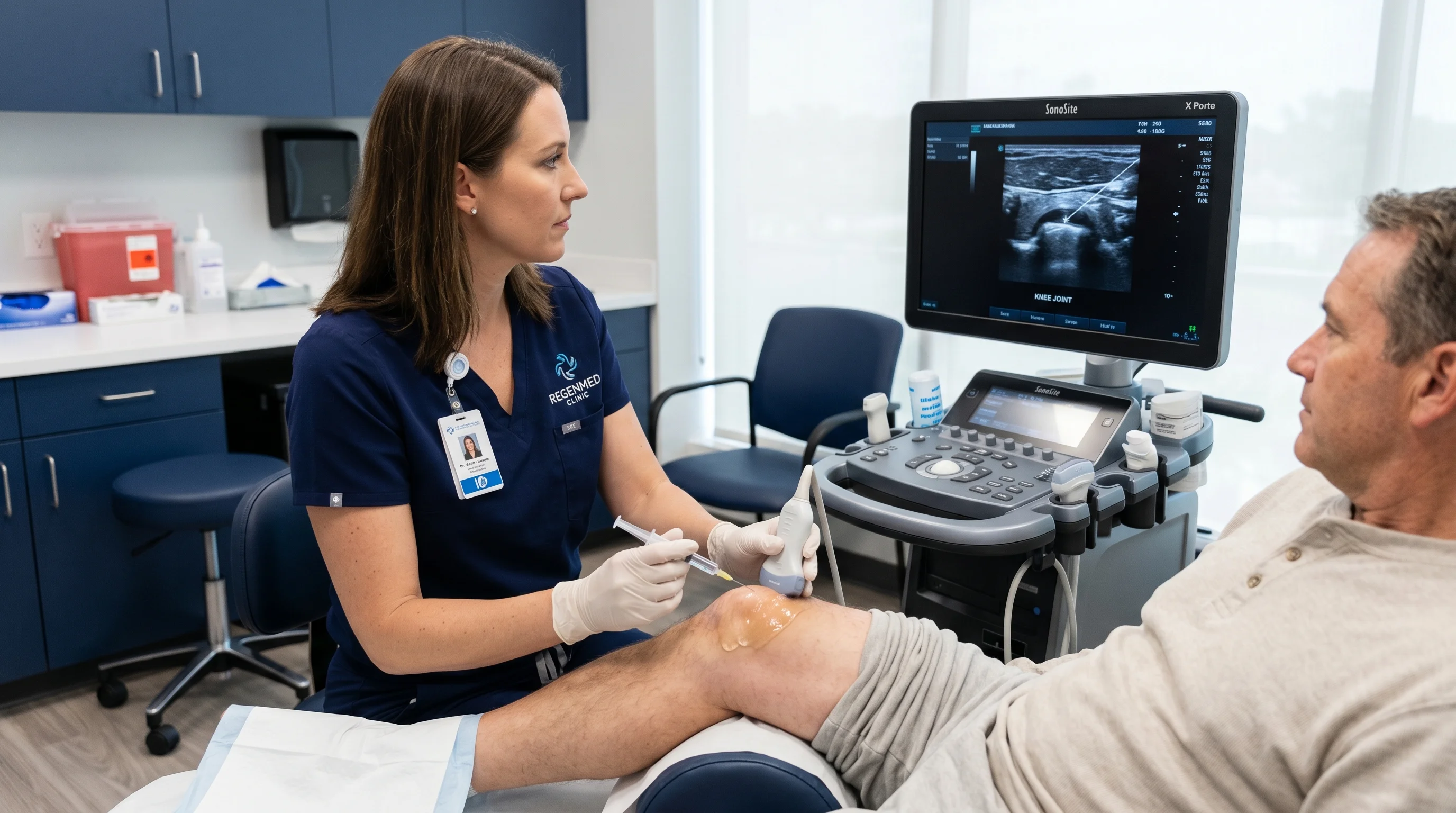
Regenerative therapy at St. Louis Pain Center promotes natural tissue repair for arthritis and joint pain without surgery. Non-invasive protocols with minimal downtime.
Learn More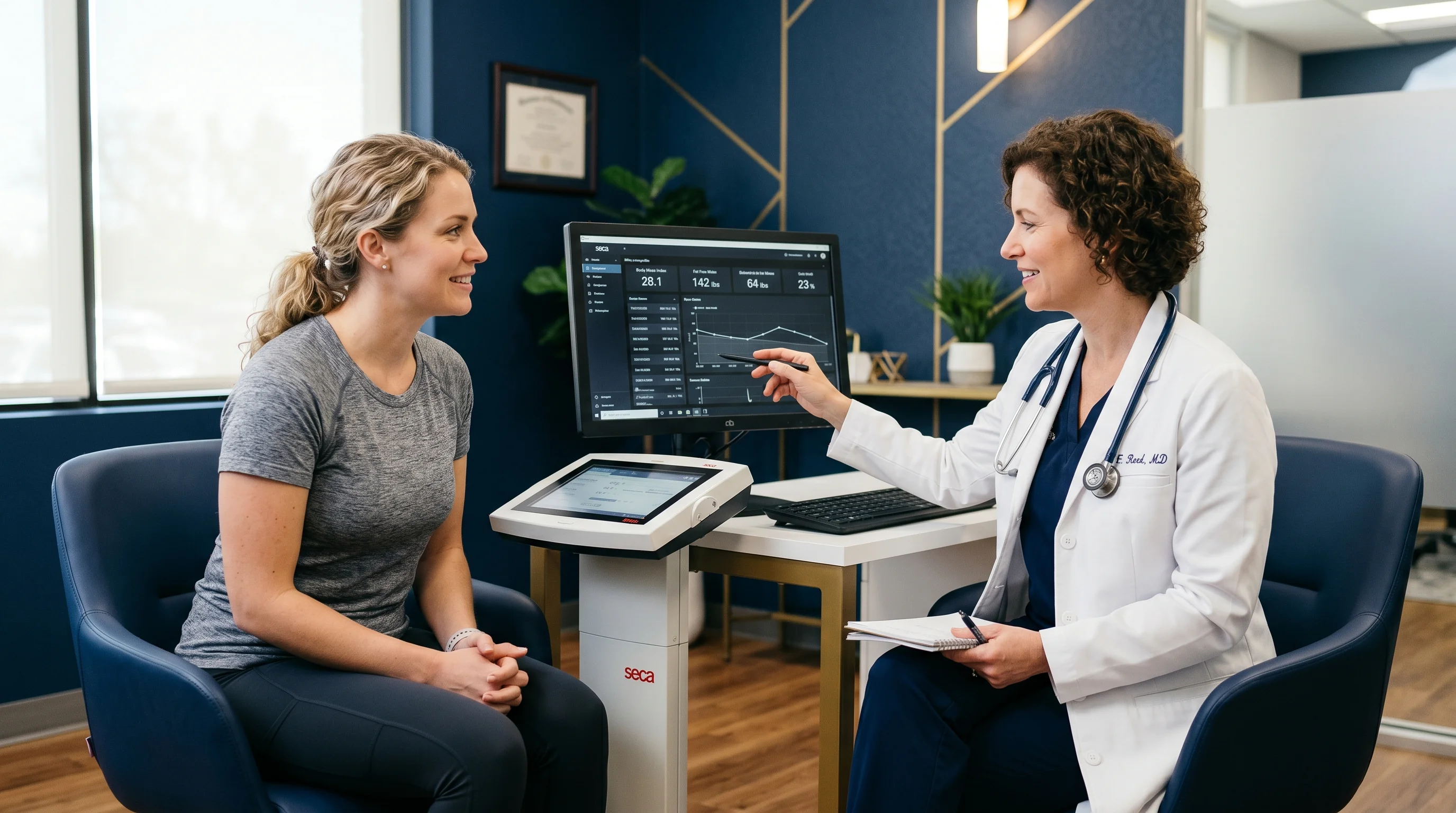
Medical weight loss at St. Louis Pain Center includes GLP-1 medications like tirzepatide and semaglutide. Physician-supervised programs for lasting results.
Learn MoreGet Started Today
Take the first step. Our team is ready to help you reclaim your life from pain.