PRP Therapy in St. Louis, MO
PRP therapy at St. Louis Pain Center uses your own blood platelets to accelerate healing in damaged joints, tendons, and ligaments. 30-minute in-office procedure.
St. Louis Pain Center is conveniently located in the south St. Louis community, serving the same area as Washington University School of Medicine-affiliated practices.
At a Glance
- Treatment: Concentrated platelets from your own blood injected into damaged tissue
- Purpose: Accelerate natural healing in joints, tendons, and ligaments
- Platelet concentration: 5 to 10 times higher than normal blood
- Procedure time: Approximately 30 minutes start to finish
- Source: Autologous (drawn from your own body)
- Recovery: Most patients return to light activity within 24 to 48 hours
- Location: St. Louis Pain Center, 4455 Telegraph Rd #250, St. Louis, MO 63129
When Pain Lingers Longer Than It Should
Some injuries heal on a predictable timeline. You strain a muscle. You rest it. It recovers. Other injuries drag on for months. A shoulder that never quite stops aching. A knee that swells after every workout. A tendon that flares up every time you think you have turned a corner.
Chronic soft tissue injuries are frustrating because the body’s natural healing response stalls partway through. Blood flow to tendons and ligaments is limited compared to muscles. Without adequate blood supply, damaged tissue receives fewer of the growth factors it needs to rebuild.
Living in St. Louis adds its own challenges. Cold winters restrict outdoor activity. Long hours at desks tighten hip flexors and weaken stabilizing muscles. When you finally push through a workout or a weekend project, undertrained tissues tear more easily.
If you have been cycling through rest, ice, and anti-inflammatory medications without lasting improvement, your body may need a stronger repair signal. PRP therapy delivers that signal by flooding the injury site with a concentrated dose of your own healing biology. No synthetic drugs. No donor tissue. Just your blood, processed and redirected where it can do the most good.
What Is PRP Therapy?
Platelet-rich plasma (PRP) therapy is a regenerative injection that uses concentrated platelets from your own blood to promote tissue repair at the site of injury or degeneration.
Platelets are best known for clotting. They also carry hundreds of bioactive proteins called growth factors. These growth factors direct the repair process. They recruit stem cells, stimulate new blood vessel formation, and trigger collagen production.
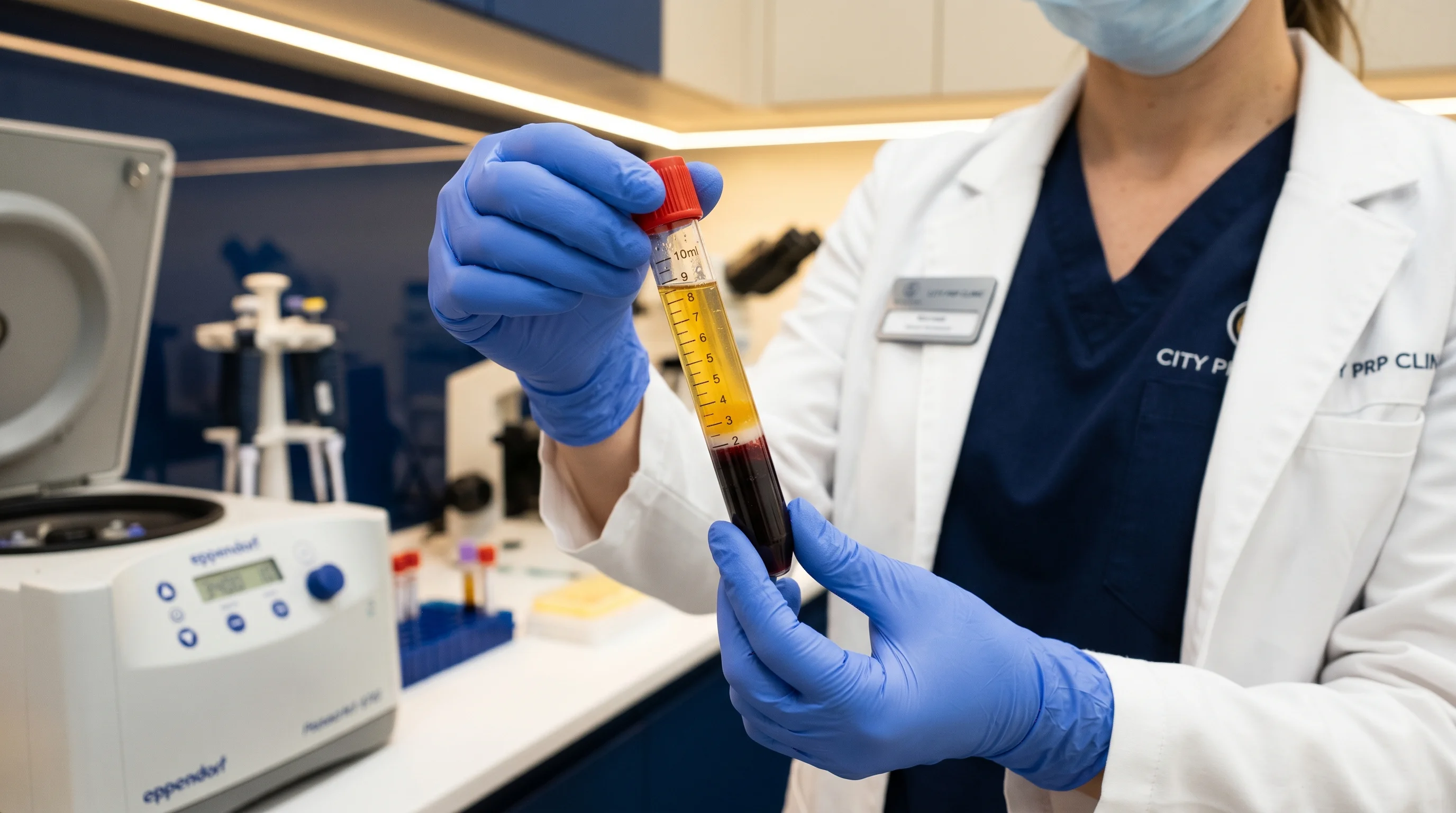
In a standard blood sample, platelets make up a small fraction of the total volume. PRP processing separates and concentrates those platelets to 5 to 10 times their normal baseline level. The result is a small volume of plasma packed with healing potential.
Key growth factors delivered through PRP include:
- PDGF (Platelet-Derived Growth Factor): Stimulates cell growth and new blood vessel formation in damaged tissue
- TGF-beta (Transforming Growth Factor Beta): Promotes collagen synthesis and tissue remodeling
- VEGF (Vascular Endothelial Growth Factor): Drives the creation of new blood vessels to improve blood supply at the injury site
The procedure is straightforward. A small blood draw (typically 30 to 60 mL) is taken from your arm. The sample goes into a centrifuge that spins at high speed, separating red blood cells from platelet-rich plasma. The concentrated PRP is then injected directly into the damaged tissue under imaging guidance.
The entire process takes approximately 30 minutes in the office. Because PRP is autologous, meaning it comes from your own body, the risk of allergic reaction or rejection is extremely low.
Results develop gradually over weeks as the growth factors stimulate new tissue repair. Most patients notice improvement within 4 to 6 weeks, with continued healing over 3 to 6 months.
Conditions We Treat with PRP Therapy in St. Louis
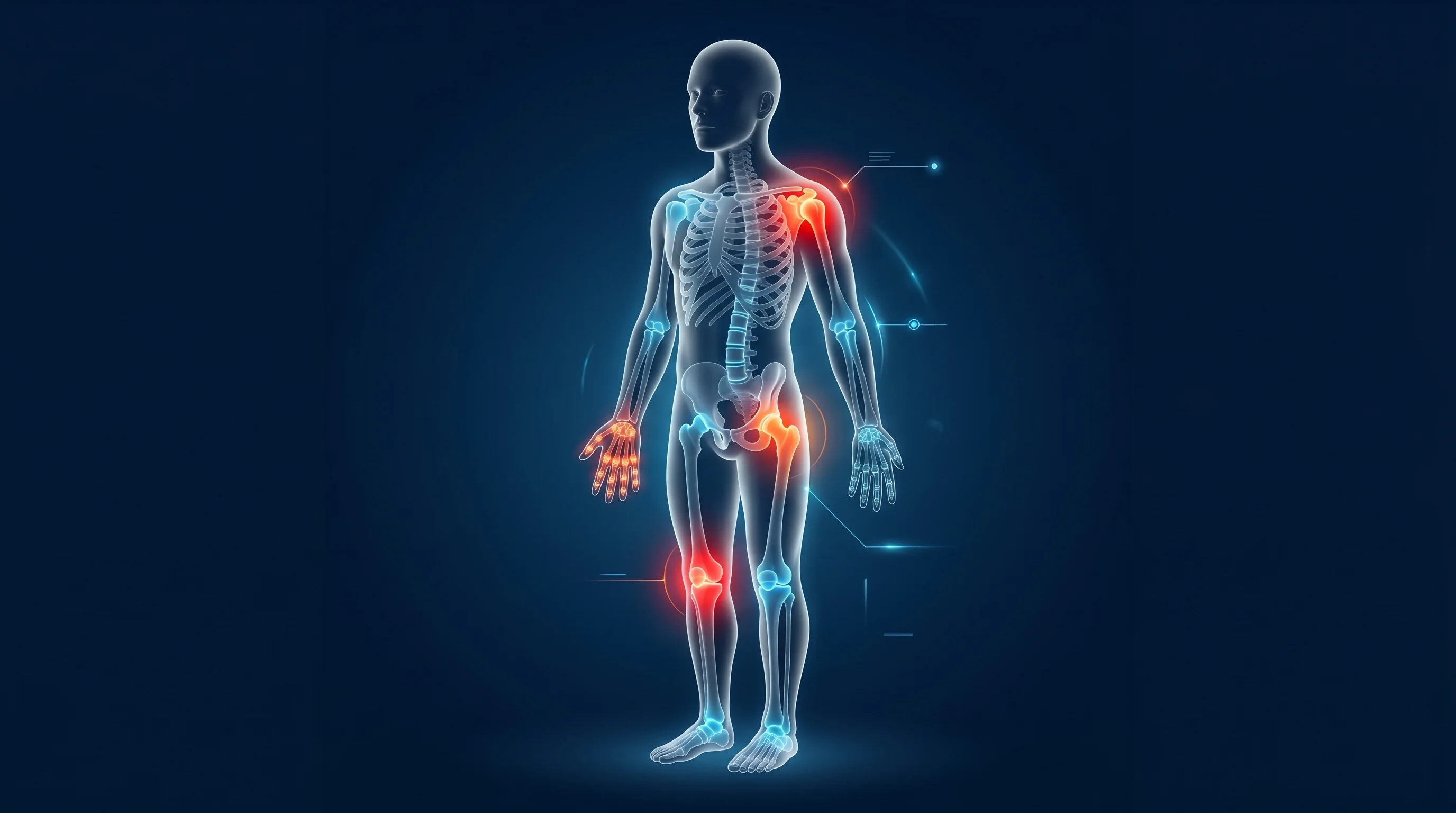
PRP therapy addresses a range of musculoskeletal conditions where the body’s natural healing has slowed or stalled. The treatment is especially effective for soft tissue injuries and early-stage joint degeneration.
Knee Pain and Early Osteoarthritis
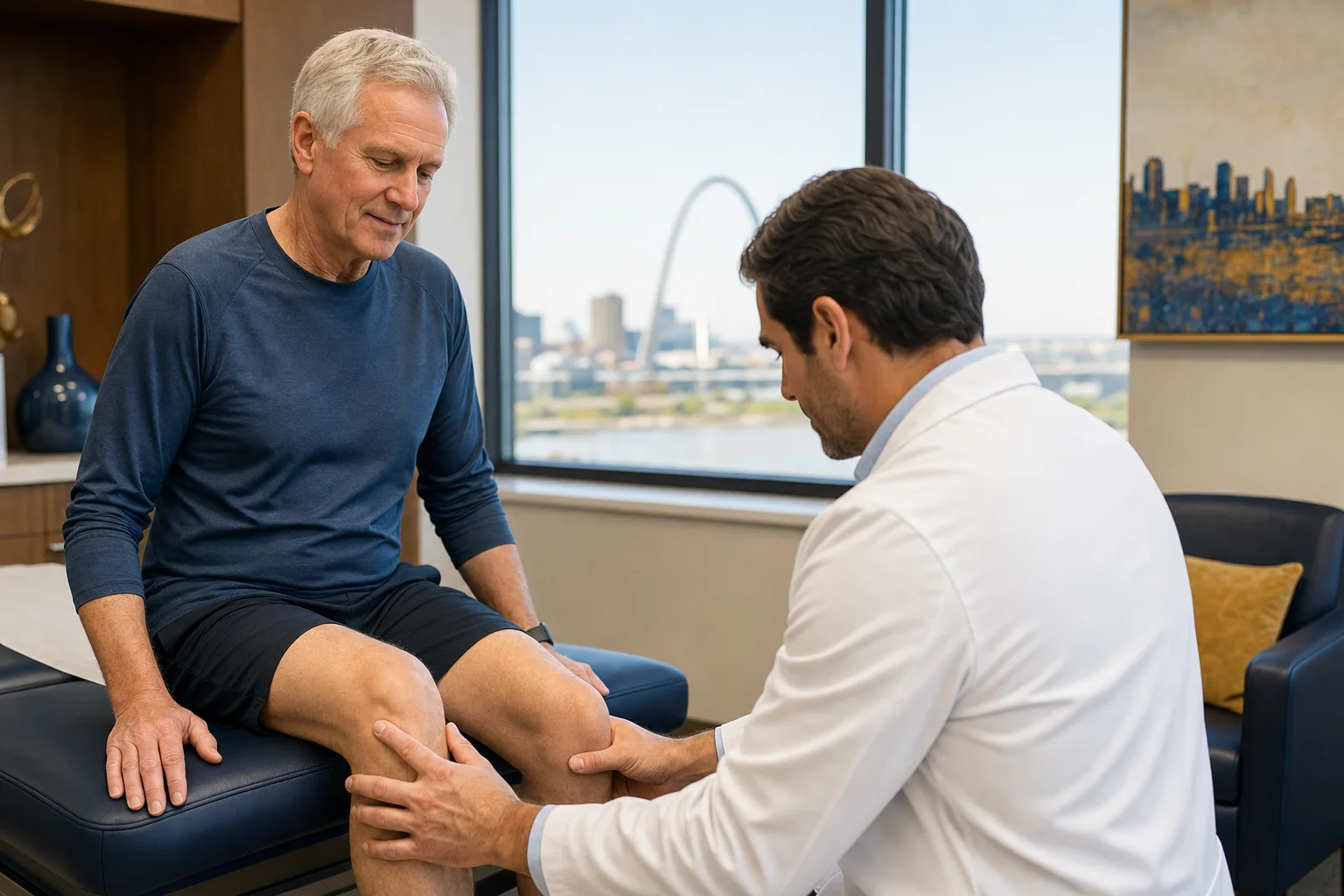
Knee pain from cartilage wear, meniscus damage, or early osteoarthritis responds well to PRP. The growth factors in platelet-rich plasma can slow cartilage breakdown and reduce inflammation within the joint capsule. Patients with mild to moderate knee osteoarthritis who want to delay or avoid surgery often choose PRP as a first-line regenerative option.
Tendon Injuries
Tendons heal slowly because of their limited blood supply. Conditions like patellar tendinitis, Achilles tendinopathy, and lateral epicondylitis (tennis elbow) can persist for months despite rest and physical therapy. PRP delivers a concentrated growth factor payload directly to the tendon, jumpstarting a repair process that has stalled.
Shoulder Pain and Rotator Cuff Injuries
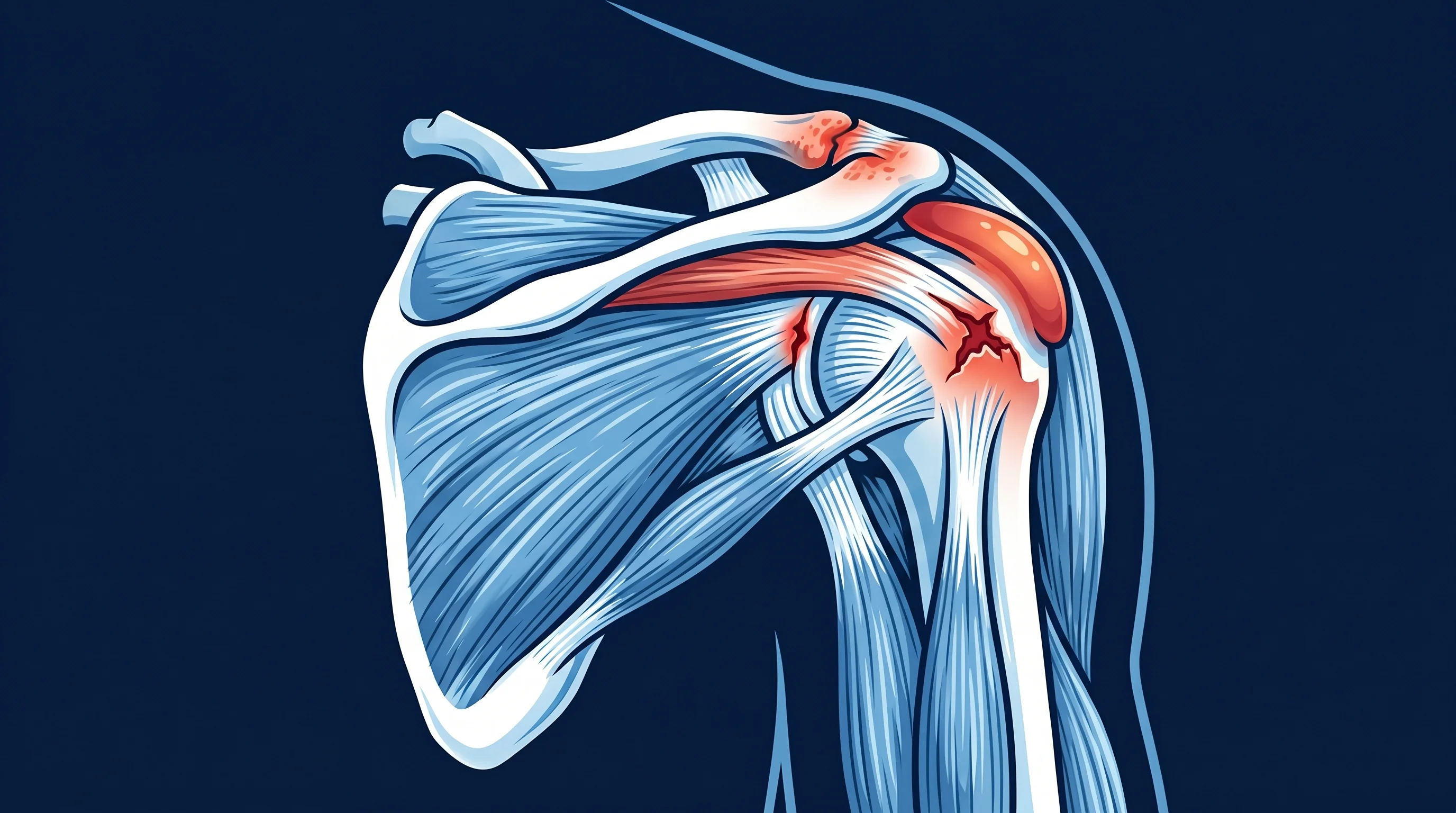
Shoulder pain from partial rotator cuff tears, labral irritation, or chronic bursitis can significantly limit upper body function. PRP injections into the shoulder joint or surrounding soft tissue provide targeted healing support. For partial tears that do not require surgical reconstruction, PRP may reduce pain and improve function enough to avoid the operating room.
Joint Pain and Ligament Sprains
Ligament sprains that do not heal fully leave joints unstable. That instability leads to compensatory movement patterns that create pain elsewhere. PRP therapy supports ligament repair by accelerating the production of new collagen fibers at the injury site.
Muscle Strains
Recurring muscle strains often indicate incomplete healing from a prior injury. Scar tissue forms in place of healthy muscle fiber, creating a weak point that reinjures easily. PRP can improve the quality of tissue repair and reduce the reinjury cycle.
Advantages of PRP Therapy at St. Louis Pain Center
The effectiveness of PRP depends on preparation technique, platelet concentration, and injection accuracy. These variables differ significantly between clinics.
Your Own Biology, Concentrated
PRP is entirely autologous. There are no synthetic chemicals, no donor tissue, and no foreign substances. This eliminates the risk of immune rejection and allergic reaction. You are receiving a concentrated version of what your body already produces.
Precision-Guided Injection
Delivering PRP to the exact site of damage determines the outcome. At St. Louis Pain Center, imaging guidance ensures the concentrated platelets reach the target tissue. A few millimeters of misplacement can mean the difference between a successful treatment and a wasted injection.
Same-Day, In-Office Procedure
The entire PRP process, from blood draw to injection, takes about 30 minutes. There is no hospital visit, no sedation, and no surgical incision. Most patients drive themselves home afterward. Light activity can typically resume within a day or two.
Complementary to Other Treatments
PRP works well alongside other therapies. Patients often combine PRP injections with physical therapy to strengthen the tissues that PRP helps repair. At St. Louis Pain Center, your treatment plan may include PRP as one component of a multi-modal approach to recovery.
Why Choose St. Louis Pain Center for PRP Therapy?
St. Louis Pain Center brings focused expertise to regenerative injection therapies. PRP preparation protocols, centrifuge settings, and injection techniques vary widely across clinics. Consistent results require a team that performs these procedures regularly and tracks outcomes carefully.
The clinic is located near Washington University School of Medicine, serving the same south St. Louis community. This proximity gives patients access to the broader diagnostic and referral network when conditions require additional evaluation.
For more orthopedic pain treatments, visit our Orthopedic Services page.
Convenient Access from Oakville, Mehlville, and South St. Louis
St. Louis Pain Center is located at 4455 Telegraph Rd #250, St. Louis, MO 63129. Patients visit from Oakville, Mehlville, Lemay, Affton, Concord, Arnold, Fenton, Crestwood, Sunset Hills, Webster Groves, and Kirkwood.
The office is minutes from Washington University School of Medicine, serving the same community with specialized pain management care. Free parking is available on-site.
Schedule Your PRP Therapy Appointment
If a soft tissue injury or joint condition has resisted conventional treatment, PRP therapy may provide the healing boost your body needs. Call St. Louis Pain Center at (314) 846-2100 to schedule a consultation and find out whether platelet-rich plasma is appropriate for your condition.
[Schedule an Appointment — (314) 846-2100]
PRP Therapy FAQs for St. Louis Patients
How long does it take to see results from PRP therapy?
Most patients begin to notice improvement within 4 to 6 weeks after injection. Tissue repair continues for 3 to 6 months as growth factors stimulate new collagen production and blood vessel formation. Full results develop gradually.
Is PRP therapy painful?
You will feel a brief pinch during the blood draw and some pressure during the injection. A local anesthetic is typically applied to the injection site. Mild soreness at the treatment area for 2 to 5 days is common and expected as the healing response activates.
How many PRP treatments will I need?
Many patients experience meaningful improvement after a single injection. Some conditions benefit from a series of 2 to 3 treatments spaced 4 to 6 weeks apart. Your provider will recommend the appropriate protocol based on the severity and location of your injury.
Does insurance cover PRP therapy?
PRP therapy is not currently covered by most insurance plans. St. Louis Pain Center can provide transparent pricing and discuss payment options during your initial consultation.
What should I avoid after a PRP injection?
Avoid anti-inflammatory medications (ibuprofen, naproxen, aspirin) for at least one week after treatment. These drugs can suppress the inflammatory healing response that PRP is designed to trigger. Acetaminophen (Tylenol) is acceptable for pain management during recovery.
Is PRP the same as stem cell therapy?
No. PRP uses concentrated platelets and growth factors from your blood. Stem cell therapies involve different cell types with different mechanisms. PRP signals existing cells to repair tissue. Both fall under the regenerative medicine category, and they are sometimes used together.
Related Services
PRP therapy is one of several regenerative and orthopedic treatments available at St. Louis Pain Center. Patients with joint pain may also benefit from Hyaluronic Acid Injections or Regenerative Therapy. Explore all available options on our Orthopedic Services page.
Conditions This Treatment Addresses
Frequently Asked Questions
Get Started Today
Ready to Start Your Recovery?
Take the first step. Our team is ready to help you reclaim your life from pain.