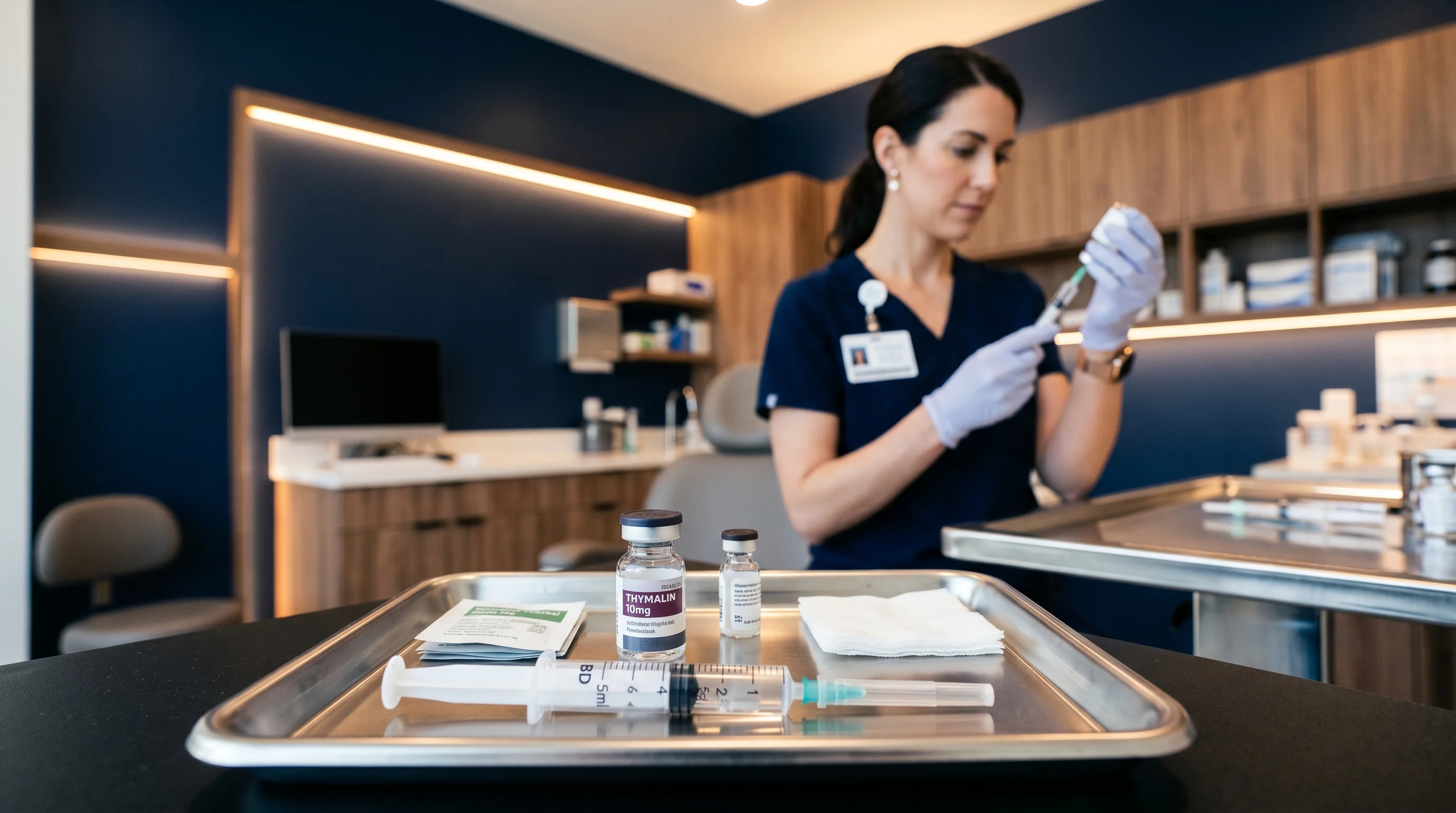
Injection Therapy in St. Louis, MO
Injection therapy delivers targeted pain relief for back, shoulder, and neck conditions. Fluoroscopic-guided injections at St. Louis Pain Center.
St. Louis Pain Center is conveniently located in the south St. Louis community, serving the same area as Washington University School of Medicine-affiliated practices.
At a Glance
- Treats: Back pain, shoulder pain, neck pain, joint inflammation
- Session: 15-30 minutes per injection, outpatient
- Non-invasive: Needle-based delivery with fluoroscopic guidance
- Protocol: Single injection or series based on diagnosis and response
- Ready to start? Call (314) 846-2100 to book your consultation.
Pain That Keeps You Guessing
Some pain announces itself clearly. You twist wrong lifting a box and your back seizes. Other times the pain creeps in over weeks, settling into your shoulder or neck without any obvious trigger. You wake up stiff. You lose range of motion. Over-the-counter medication dulls the edge, but the underlying problem stays.
In St. Louis, this story plays out daily. Desk-bound professionals develop neck and shoulder tension that hardens into chronic inflammation. Weekend athletes push through minor injuries that compound into persistent joint pain. Cold winters reduce activity levels, and the resulting deconditioning makes everything worse.
Injection therapy places anti-inflammatory and pain-relieving medication exactly where it needs to go. Instead of flooding your entire system with oral medication, a targeted injection addresses the specific joint, muscle, or nerve space driving your symptoms. The result is faster relief, lower systemic drug exposure, and a clearer picture of what is actually causing your pain.
What Is Injection Therapy?
Injection therapy is the delivery of medication directly into or around a painful structure in the body. This includes joints, muscle trigger points, the epidural space around the spinal cord, and the small facet joints of the spine.
What separates clinical injection therapy from a standard shot at your primary care office is fluoroscopic guidance. Fluoroscopy provides continuous X-ray imaging during the procedure, allowing the provider to watch the needle reach its target in real time. Studies show that unguided spinal injections miss their intended target up to 30% of the time. Fluoroscopic guidance brings accuracy above 95%.
The medication itself varies by condition. Epidural steroid injections deliver corticosteroids into the epidural space to reduce nerve root inflammation. Trigger point injections place anesthetic directly into knotted muscle fibers that refer pain to other areas. Facet joint injections target the small paired joints along the back of the spine, which degenerate with age and repetitive stress.
Each injection type serves a specific purpose. Your treatment plan depends on your diagnosis, imaging results, and physical examination findings.
Conditions We Treat with Injection Therapy in St. Louis
Injection therapy treats a broad range of musculoskeletal and spinal pain conditions. The specific injection type depends on the pain source.
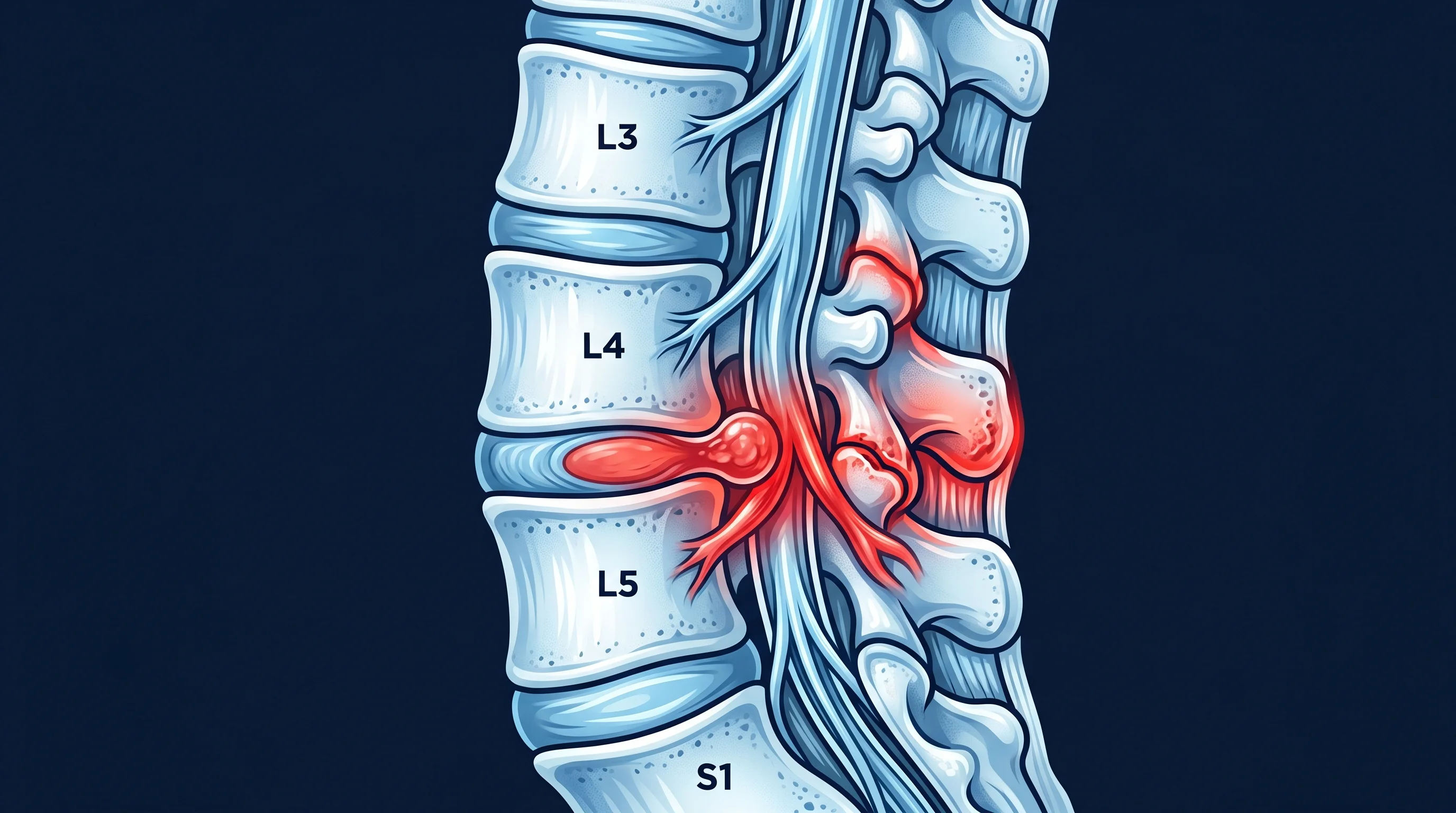
Back Pain
The lower back bears enormous mechanical load every day. Disc herniation, facet joint arthritis, and spinal stenosis all produce inflammation that compresses or irritates nerves. Epidural steroid injections reduce swelling around compressed nerve roots. Facet joint injections target arthritic joints that stiffen and ache with movement. For patients who sit eight or more hours daily, the lumbar spine endures sustained pressure that accelerates these degenerative changes.
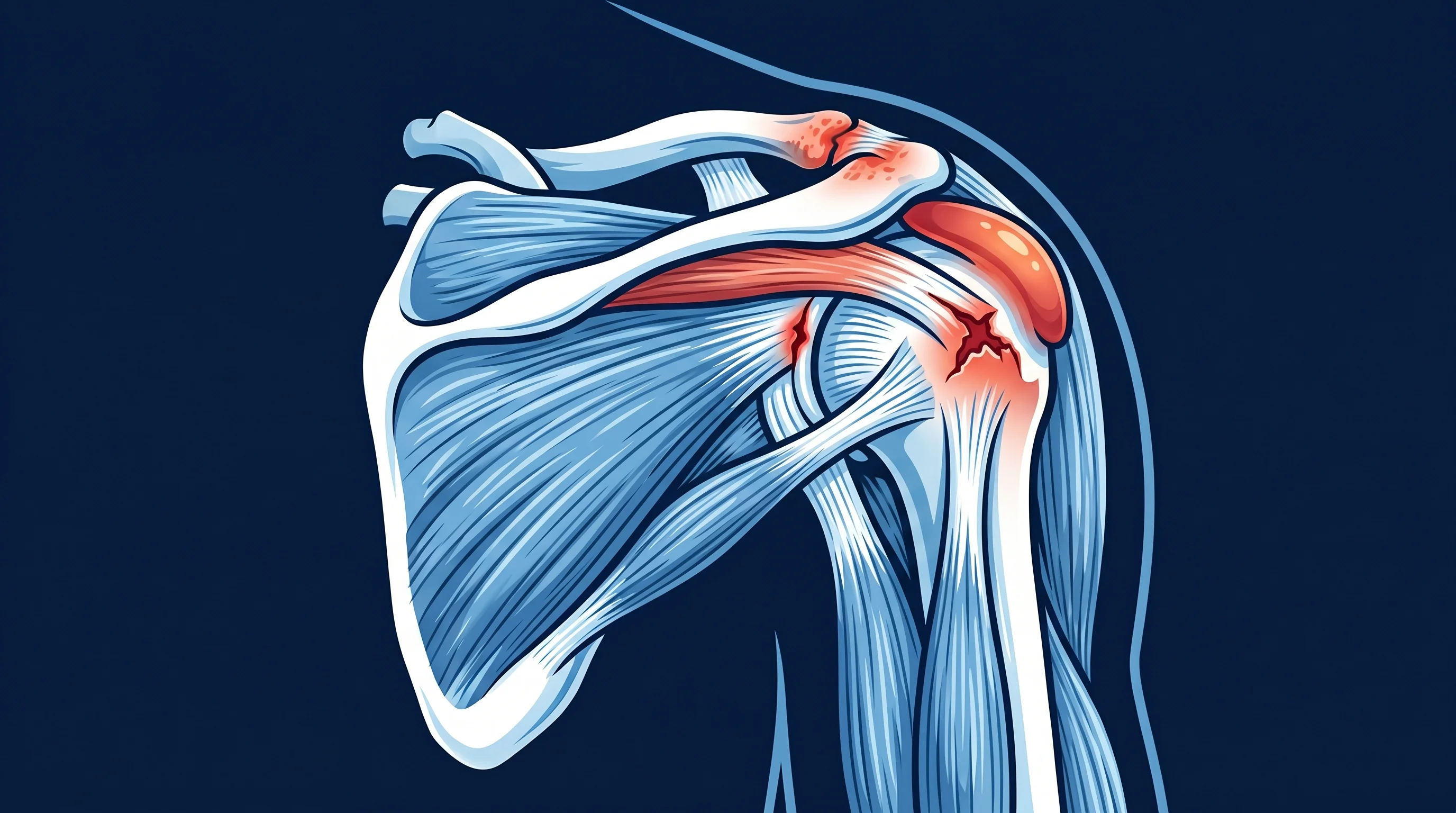
Shoulder Pain
Shoulder injections address bursitis, rotator cuff tendinitis, adhesive capsulitis (frozen shoulder), and osteoarthritis of the glenohumeral joint. A corticosteroid injection into the subacromial bursa can reduce inflammation enough to restore range of motion and allow physical therapy to progress. Without that initial inflammation reduction, rehab exercises often aggravate the condition rather than improve it.
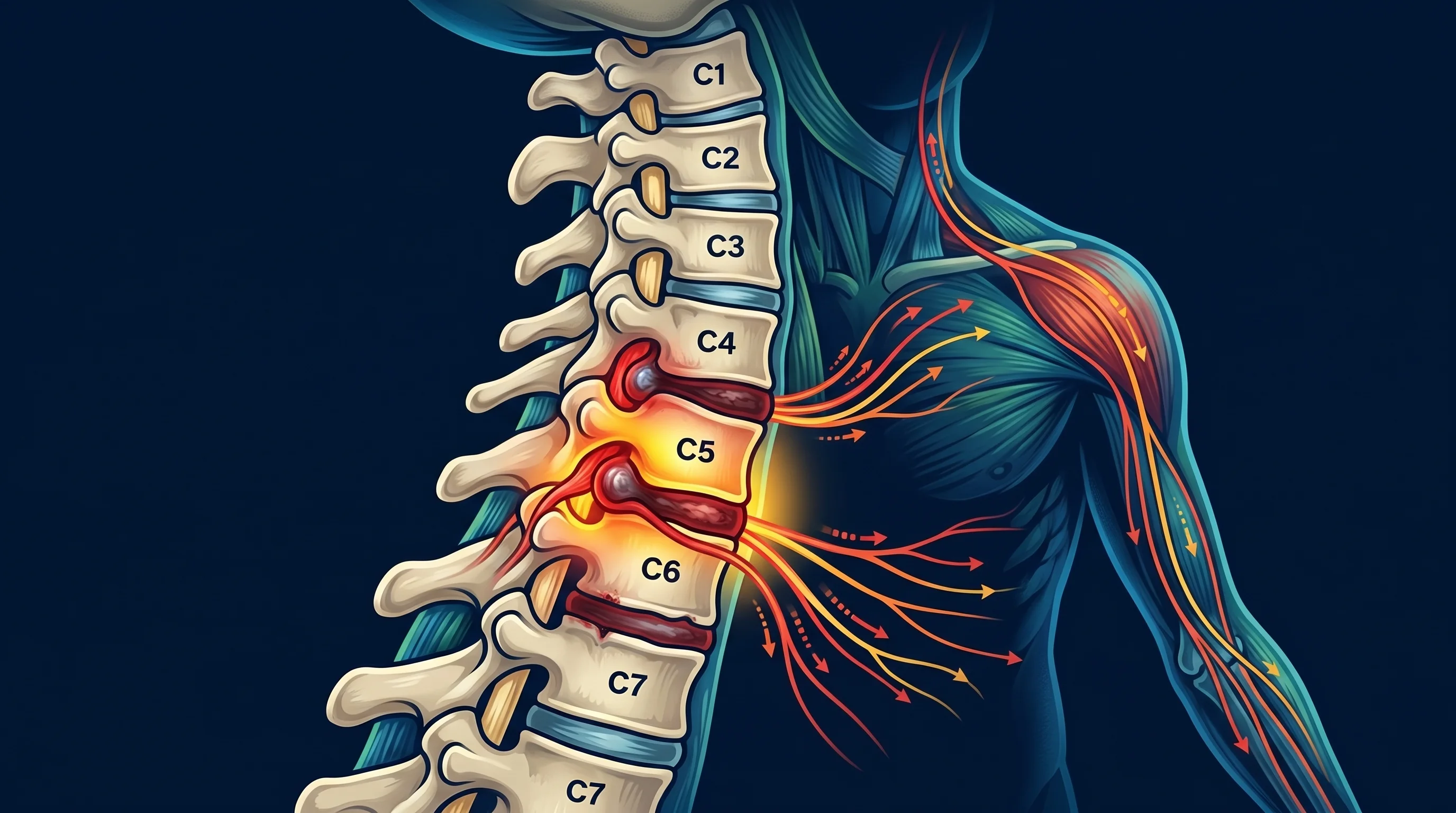
Neck Pain
Cervical facet joint injections and cervical epidural steroid injections treat pain originating from degenerative disc disease, cervical spondylosis, and herniated discs in the neck. Trigger point injections address the tight muscle bands in the trapezius and cervical paraspinal muscles that develop from prolonged computer use. Neck pain is among the most common complaints we see from St. Louis patients working in office environments.
Myofascial Pain
Trigger point injections treat myofascial pain syndrome, a condition where tight bands of muscle develop painful knots called trigger points. These trigger points refer pain to other areas of the body, which can make diagnosis confusing. A trigger point in the upper trapezius can cause headaches. One in the gluteus medius can mimic sciatica. Injecting the trigger point directly with anesthetic or dry needling the area releases the contraction and breaks the pain cycle.
Advantages of Injection Therapy at St. Louis Pain Center
Fluoroscopic Precision
Every spinal injection at St. Louis Pain Center uses fluoroscopic guidance. The provider confirms needle placement with contrast dye before delivering medication. This extra step verifies that the medication will reach the intended target. You are not receiving a blind injection. You are receiving a procedure guided by real-time imaging.
Diagnostic and Therapeutic Value
Injection therapy serves two purposes simultaneously. When a specific injection eliminates your pain, it confirms the diagnosis. This is particularly valuable for back and neck pain, where multiple structures can generate similar symptoms. A successful facet joint injection, for example, confirms facet arthropathy as the pain source and opens the door to longer-lasting treatments like radiofrequency ablation.
Minimal Recovery Time
Most injection therapy procedures take 15 to 30 minutes. You remain awake and comfortable throughout. Local anesthetic numbs the injection site before the procedure begins. Most patients return to light activity the same day. There are no incisions, no stitches, and no overnight hospital stays.
Why Choose St. Louis Pain Center for Injection Therapy?
St. Louis Pain Center provides injection therapy as part of a broader pain treatment strategy. We do not perform isolated injections without understanding your full clinical picture. Every patient receives a thorough evaluation before any injection is recommended.
Our team performs injection therapy daily, which means the technical skill required for accurate needle placement is constantly refined. We are part of the St. Louis medical community, located near Washington University School of Medicine, and committed to evidence-based pain control protocols.
If your pain has not responded to rest, physical therapy, or oral medication alone, injection therapy may be the targeted approach your body needs.
Convenient Access from Affton, Concord, and Surrounding Neighborhoods in St. Louis
St. Louis Pain Center is located at 4455 Telegraph Rd #250, St. Louis, MO 63129. We serve patients from Affton, Concord, Oakville, Mehlville, Lemay, Arnold, Fenton, Crestwood, Sunset Hills, Webster Groves, and Kirkwood. Our office is easily accessible from Interstate 255, Highway 30, and Telegraph Road.
Patients referred by physicians affiliated with Washington University School of Medicine and other regional institutions find our South County location convenient for ongoing injection therapy appointments.
Schedule Your Injection Therapy Appointment
Targeted injection therapy can deliver relief that oral medications cannot match. If pain is limiting your movement, your sleep, or your ability to work, a consultation can determine whether injection therapy is right for you.
Call (314) 846-2100 or visit us at 4455 Telegraph Rd #250, St. Louis, MO 63129.
Injection Therapy FAQs for St. Louis Patients
What types of injections do you offer?
St. Louis Pain Center offers epidural steroid injections, facet joint injections, trigger point injections, sacroiliac joint injections, and other targeted procedures. The specific injection depends on your diagnosis and the location of your pain.
How quickly do injections work?
Local anesthetic in the injection may provide immediate but temporary relief. The corticosteroid component typically takes 3 to 7 days to reach full effect. Some patients notice improvement within 48 hours.
How long does injection therapy relief last?
Duration varies by condition and injection type. Epidural steroid injections may provide relief lasting weeks to several months. Trigger point injections can break a pain cycle permanently if combined with stretching and posture correction. Your provider will discuss realistic expectations based on your specific condition.
Are injections safe?
Fluoroscopic-guided injections have a strong safety profile. Risks include minor soreness at the injection site, temporary blood sugar elevation for diabetic patients receiving corticosteroids, and rare infection. Serious complications are uncommon when injections are performed by experienced providers using imaging guidance.
How many injections will I need?
This depends on your response to the first injection. Some patients achieve lasting relief from a single injection. Others benefit from a series of up to three injections spaced several weeks apart. Your provider will re-evaluate after each injection.
Can I drive myself home after an injection?
For most peripheral injections and trigger point injections, yes. For epidural and certain spinal injections, we recommend having someone drive you home as a precaution. Your provider will advise you before the procedure.
Related Services
Injection therapy often complements other treatments at St. Louis Pain Center. Nerve blocks target specific nerve pathways when injection therapy addresses the broader inflammatory environment. Medication management ensures your oral treatment plan supports your procedural care.
Learn more about our full range of pain control services at St. Louis Pain Center and how we coordinate treatment for the best possible outcomes.
Conditions This Treatment Addresses
Frequently Asked Questions
Get Started Today
Ready to Start Your Recovery?
Take the first step. Our team is ready to help you reclaim your life from pain.