PRP Therapy St. Louis
PRP therapy at St. Louis Pain Center uses your own blood platelets to accelerate healing in damaged joints, tendons, and ligaments. 30-minute in-office procedure.
Learn MoreEffective shoulder pain treatment in St. Louis with PRP therapy, injection therapy, and sports medicine. Accurate diagnosis and lasting relief. Call (314) 846-2100.
Shoulder pain limits reaching, lifting, sleeping, and basic self-care. It often stems from rotator cuff damage, bursitis, frozen shoulder, or joint degeneration. At St. Louis Pain Center, we diagnose the exact source of your shoulder pain and treat it with targeted therapies including PRP therapy, injection therapy, and sports medicine rehabilitation. Relief starts with an accurate diagnosis.
It starts with a twinge when you reach overhead. Then it settles into a constant ache that follows you through the day. Nighttime is the worst. You cannot find a comfortable position. Rolling onto the affected side jolts you awake. The exhaustion compounds everything.
Shoulder pain affects nearly every movement. Fastening a seatbelt. Washing your hair. Carrying groceries. Simple motions you once took for granted now require careful planning. The instinct is to stop using the arm, which feels logical. The problem is that immobility makes most shoulder conditions worse.
Many patients in the St. Louis area wait too long before seeking treatment. They assume the pain will resolve on its own. Some conditions do improve with rest. Many do not. Rotator cuff tears, adhesive capsulitis, and labral injuries can progress significantly while you wait. Early evaluation saves time, money, and function.
You do not have to give up the activities you enjoy. The shoulder is a complex joint, and it responds well to precise treatment when the diagnosis is correct.
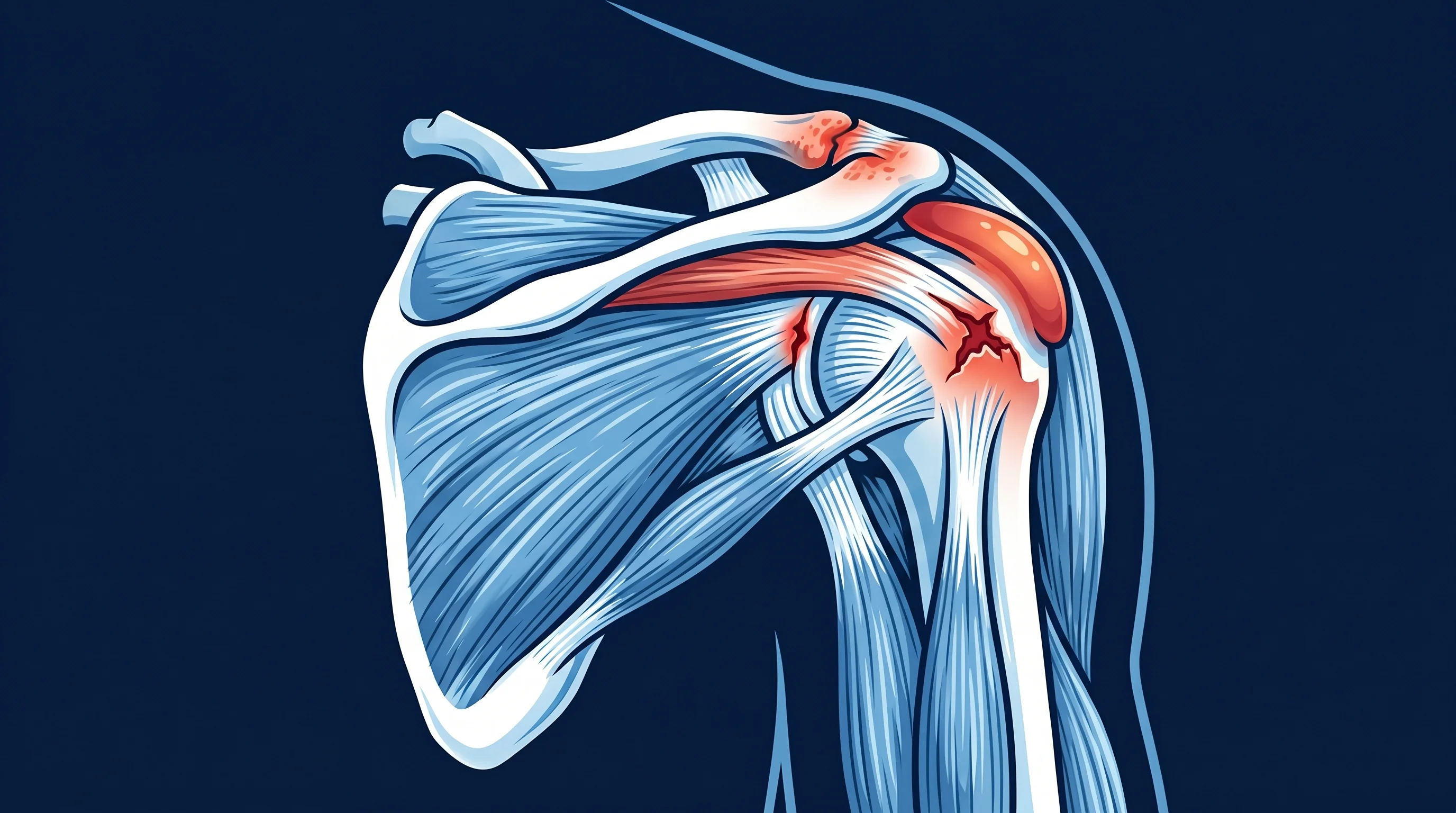
The shoulder is the most mobile joint in the body, which makes it uniquely vulnerable to injury and degeneration. It relies on a network of muscles, tendons, ligaments, and a shallow ball-and-socket design that trades stability for range of motion.
This design means the shoulder depends heavily on soft tissue for support. When any component of that system is damaged, the entire joint suffers. Pain may originate from the rotator cuff, the bursa, the labrum, the acromioclavicular joint, or the biceps tendon. Referred pain from the cervical spine can also mimic shoulder problems.
Accurate diagnosis is critical because treatment for a rotator cuff tear differs substantially from treatment for frozen shoulder or bursitis. Imaging studies, physical examination, and sometimes diagnostic injections help us isolate the true pain generator.
The rotator cuff is a group of four tendons that stabilize the shoulder joint. Partial or complete tears can result from acute trauma or gradual wear. Rotator cuff injuries are the most common cause of shoulder pain in adults over 40. Symptoms include weakness, pain with overhead movement, and nighttime discomfort.
The subacromial bursa reduces friction between the rotator cuff and the bone above it. Repetitive overhead motion or poor posture can inflame this tissue, creating shoulder impingement syndrome. Pain is typically worst when lifting the arm between 60 and 120 degrees.
The joint capsule thickens and tightens, severely restricting movement. Frozen shoulder progresses through freezing, frozen, and thawing stages over months to years. It is more common in women, diabetics, and patients recovering from shoulder surgery or prolonged immobilization.
The labrum is a ring of cartilage that deepens the shoulder socket. Tears can result from falls, direct impacts, or repetitive overhead throwing motions. SLAP tears and Bankart lesions produce catching, locking, or a sense of instability in the joint.
Cartilage loss in the glenohumeral joint causes pain, stiffness, and grinding sensations. Shoulder arthritis develops gradually and worsens over time. It is especially common in patients with a history of prior shoulder injury.
Pinched nerves in the neck can produce pain that radiates into the shoulder. This pattern can be confusing because the shoulder examination may appear relatively normal. A thorough evaluation distinguishes true shoulder pathology from cervical referred pain.
Shoulder pain treatment depends entirely on the specific structure causing the problem. A rotator cuff tear, a frozen shoulder, and bursitis all produce similar symptoms. They require different treatments. Our evaluation process identifies the pain source before any procedure is recommended.
Most shoulder conditions respond well to non-surgical interventional care. We prioritize treatments that promote tissue healing and restore function without the risks and recovery time of surgery.
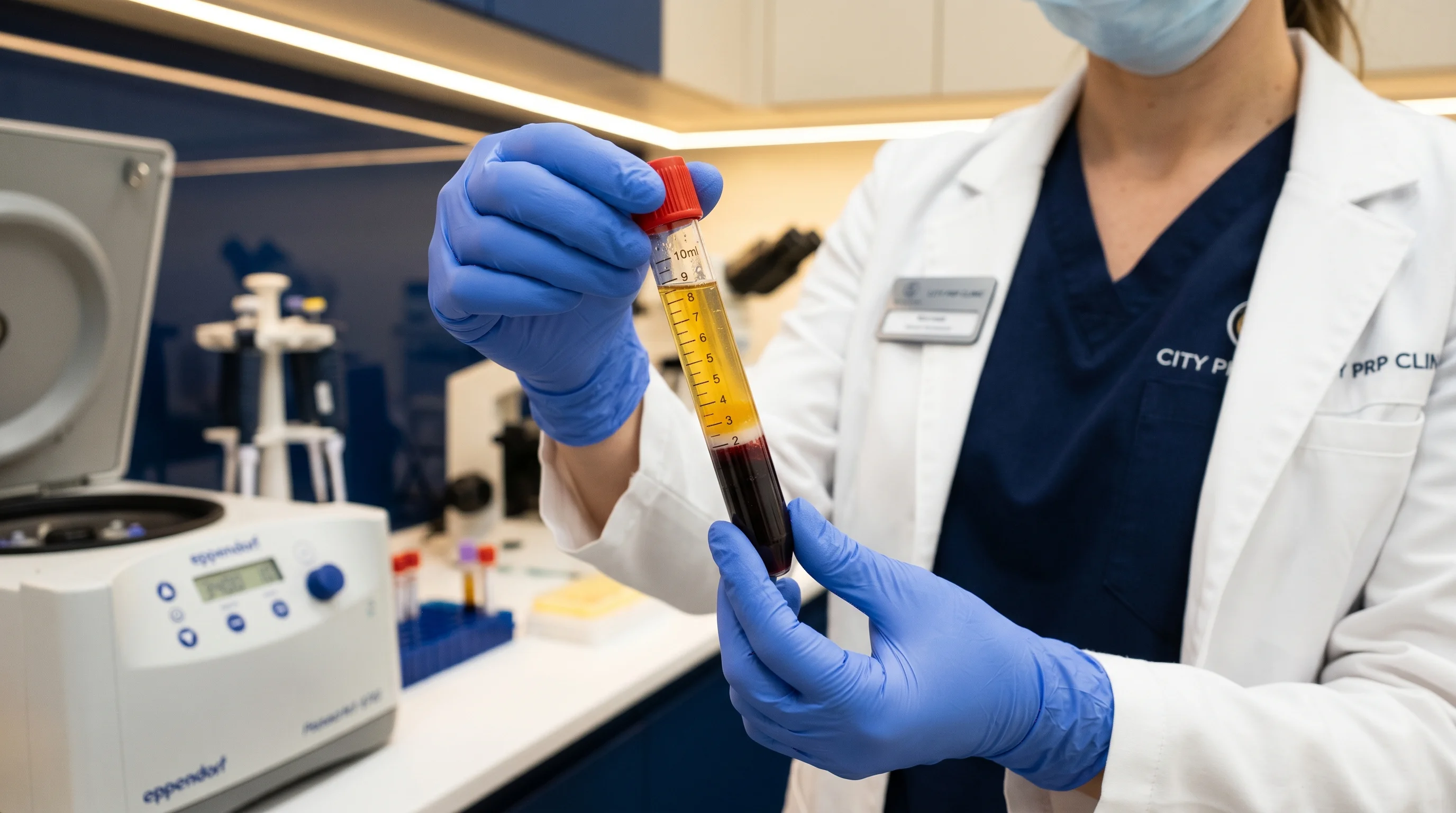
Platelet-rich plasma (PRP) therapy uses concentrated growth factors from your own blood to accelerate tissue repair. For rotator cuff injuries, partial tears, and tendinopathy, PRP injections deliver healing proteins directly to the damaged area. This regenerative approach supports natural recovery and can delay or eliminate the need for surgical intervention.
Targeted injection therapy serves both diagnostic and therapeutic purposes. Corticosteroid injections reduce inflammation in the bursa or joint capsule. Diagnostic injections with local anesthetic help confirm the exact pain source. Hyaluronic acid injections provide lubrication and cushioning for arthritic shoulders.
Our sports medicine approach combines structured rehabilitation with performance-focused recovery. Strengthening the rotator cuff, improving scapular mechanics, and restoring proper movement patterns are essential for lasting shoulder pain relief. This is particularly important for active patients and those returning to sports or physical occupations.
Shoulder pain requires precise diagnosis because so many structures can generate similar symptoms. At St. Louis Pain Center, we combine detailed physical examination with advanced imaging interpretation to identify the exact source of dysfunction. Our treatment approach reflects the high clinical standards maintained across the St. Louis medical community, including the ongoing research and training programs at Washington University School of Medicine. Patients throughout St. Louis trust our team to deliver accurate diagnosis and effective treatment.
St. Louis Pain Center is located at 4455 Telegraph Rd #250, St. Louis, MO 63129. We serve patients from Oakville, Mehlville, Lemay, Affton, Concord, Arnold, Fenton, Crestwood, Sunset Hills, Webster Groves, and Kirkwood. Our office is easily accessible from all major South County routes.
A thorough evaluation is the fastest path to shoulder pain relief. Waiting often allows shoulder conditions to worsen and become harder to treat. Call St. Louis Pain Center at (314) 846-2100 or request an appointment online today.
[Schedule an Appointment]{.cta-button}
How do I know if my shoulder pain is serious? Pain that persists for more than two weeks, wakes you at night, or limits your ability to use the arm warrants professional evaluation. Sudden weakness or inability to raise the arm suggests a possible rotator cuff tear and should be assessed promptly.
Do I need an MRI for shoulder pain? An MRI is often recommended to evaluate soft tissue structures like the rotator cuff, labrum, and bursa. X-rays can identify arthritis or bone spurs. We determine the right imaging based on your symptoms and examination findings.
Can shoulder pain be treated without surgery? Many shoulder conditions respond excellently to non-surgical treatments. PRP therapy, targeted injections, and structured rehabilitation resolve pain for the majority of patients we see. Surgery is considered only when conservative measures have been thoroughly explored.
How long does shoulder pain treatment take to work? Timeline depends on the diagnosis. Injection therapy may provide relief within days. PRP therapy typically shows improvement over four to six weeks as tissue healing progresses. Rehabilitation programs usually run eight to twelve weeks.
Is my shoulder pain coming from my neck? It is possible. Cervical disc herniations and pinched nerves can refer pain into the shoulder. Our evaluation process includes cervical spine screening to rule out this pattern. Treating the wrong structure wastes time and prolongs suffering.
Shoulder pain often coexists with other conditions we treat. Patients with shoulder stiffness and upper body tension may also experience neck pain from cervical spine involvement. Those with multiple painful joints should explore our page on joint pain for a broader perspective. Shoulder problems sometimes develop alongside or are worsened by underlying back pain and postural dysfunction.
Our specialists may recommend one or more of these evidence-based treatments for your condition.
PRP therapy at St. Louis Pain Center uses your own blood platelets to accelerate healing in damaged joints, tendons, and ligaments. 30-minute in-office procedure.
Learn More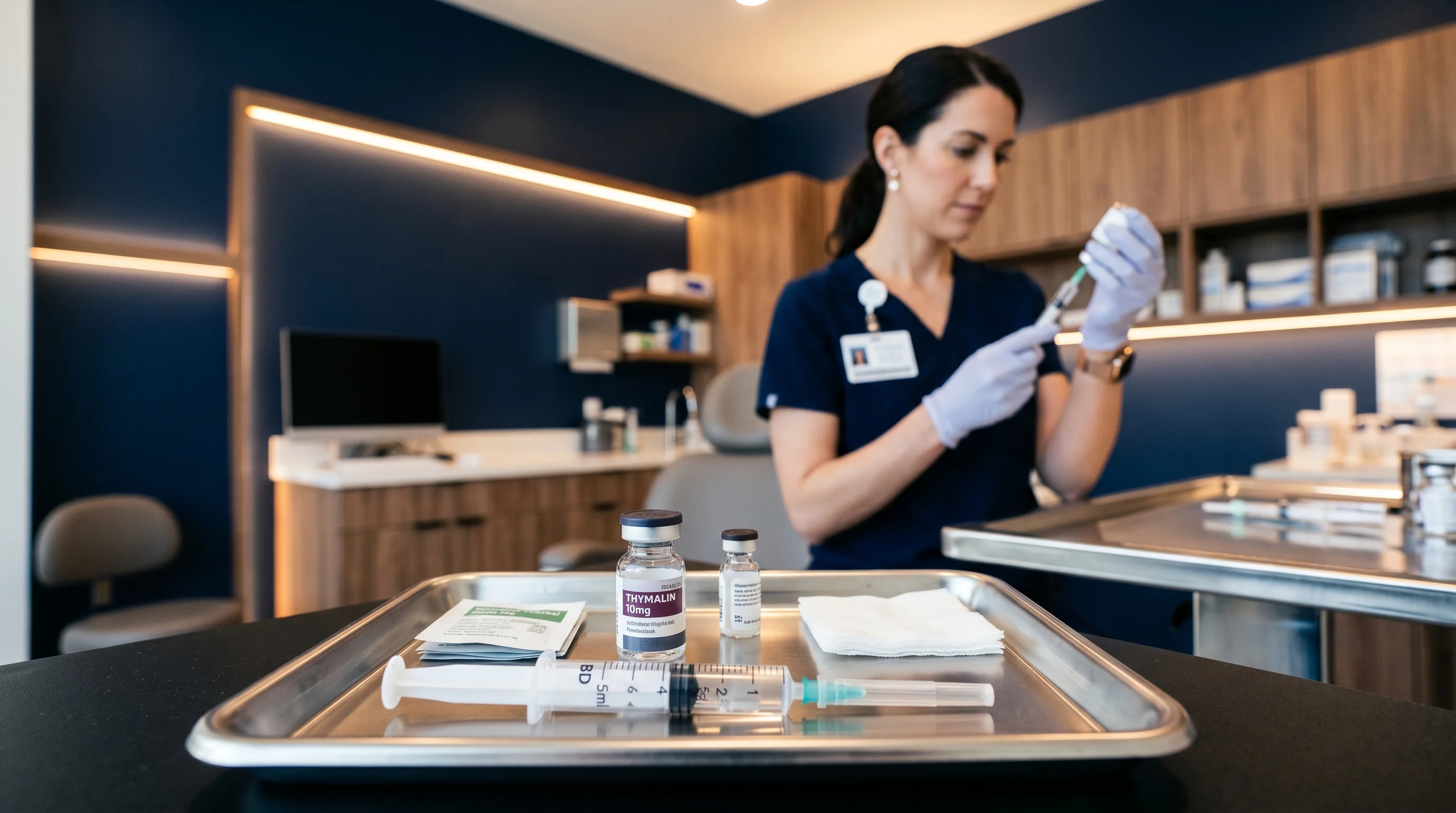
Injection therapy delivers targeted pain relief for back, shoulder, and neck conditions. Fluoroscopic-guided injections at St. Louis Pain Center.
Learn More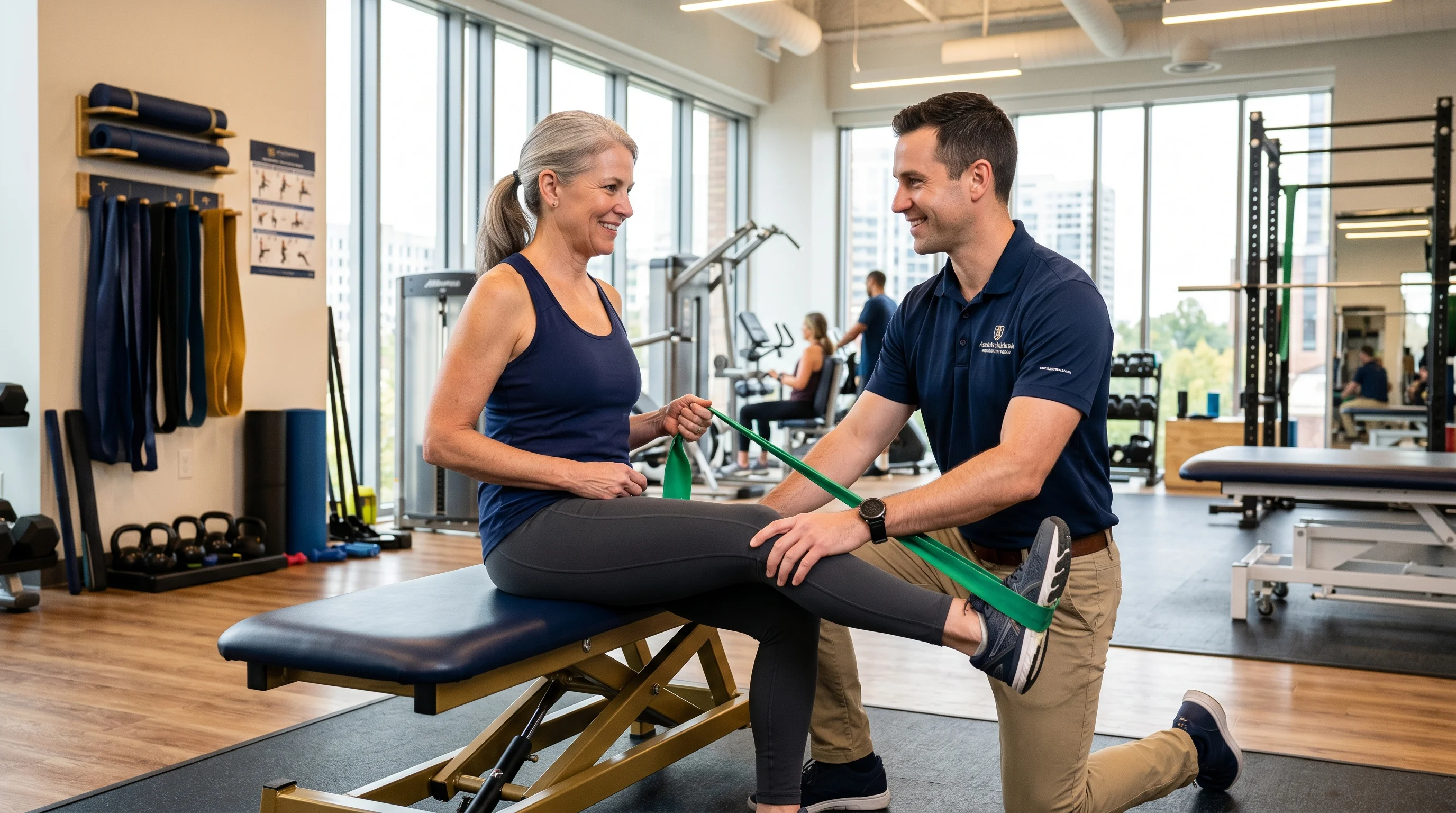
Physical therapy at St. Louis Pain Center includes manual therapy, vestibular rehabilitation, and post-injection protocols for back, neck, knee, and shoulder pain.
Learn MoreGet Started Today
Take the first step. Our team is ready to help you reclaim your life from pain.