Neuromodulation Technique
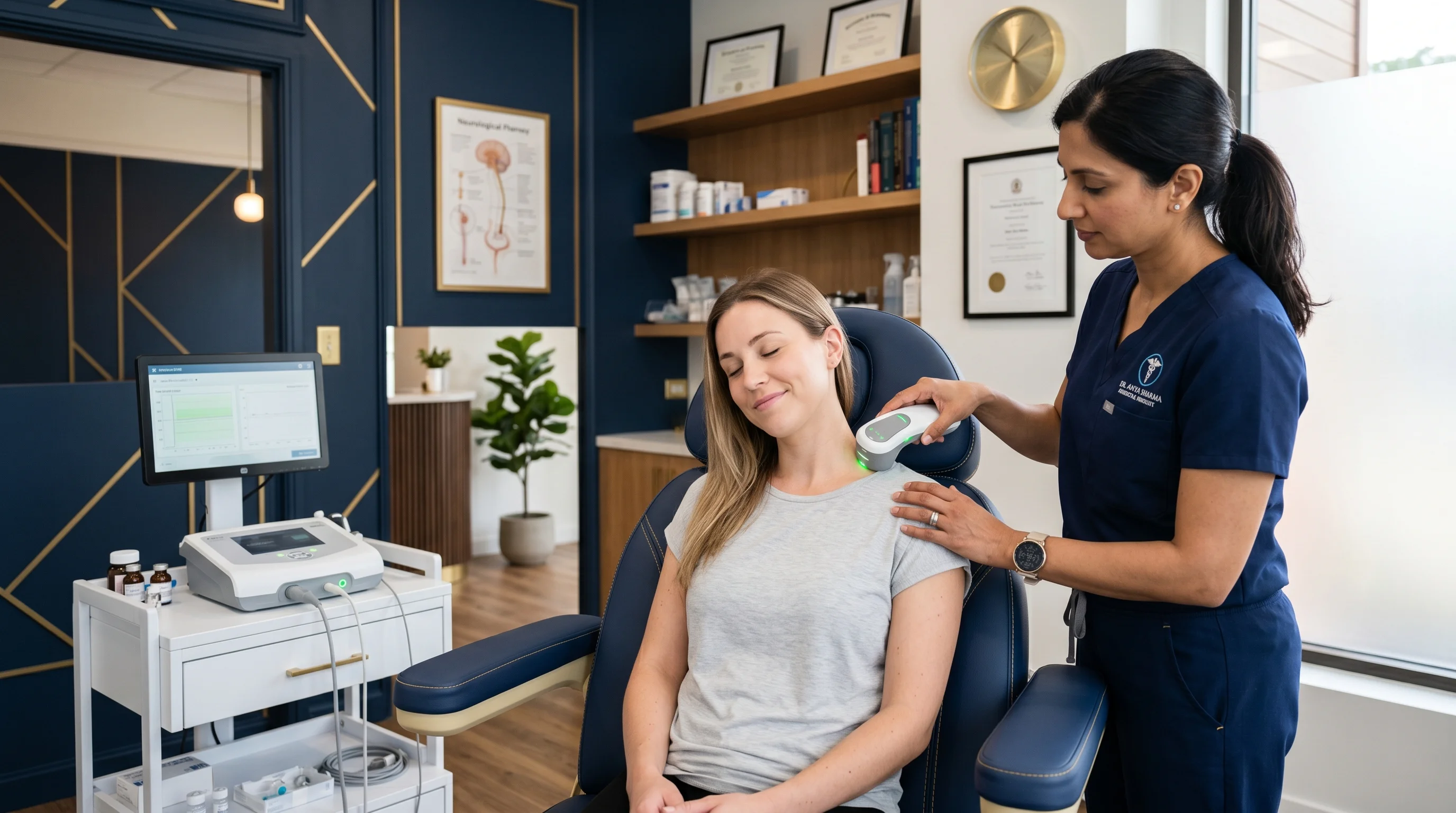
Neuromodulation technique offers drug-free pain relief by recalibrating nerve signals. No side effects. Learn how it works at St. Louis Pain Center.
Learn MoreVertigo and vestibular disorder treatment in St. Louis. Neuromodulation and sports medicine therapies to stop dizziness and restore balance. Call (314) 846-2100.
Vertigo and vestibular disorders cause dizziness, spinning sensations, imbalance, and nausea that disrupt every aspect of daily life. These conditions arise from problems in the inner ear or the brain’s balance-processing pathways. At St. Louis Pain Center, we treat vestibular dysfunction with neuromodulation and sports medicine rehabilitation to restore balance and eliminate dizziness. Effective treatment requires identifying the specific vestibular mechanism involved.
One moment you are fine. The next, the room tilts and rotates. You grab the nearest wall or counter to keep from falling. Nausea surges. Your eyes cannot focus. The episode may last seconds, minutes, or hours. When it passes, you are left shaken and afraid of when it will happen again.
Vertigo is more than dizziness. It is the false sensation that you or your surroundings are moving when neither is. It disrupts driving, walking, working, and even sitting still. The unpredictability is what makes it so disabling. You cannot plan around something that strikes without warning.
Many patients in St. Louis have lived with recurring vertigo episodes for months or years. Some have been told it is anxiety. Others received medications for motion sickness that only dulled the symptoms temporarily. The underlying cause was never properly identified.
Vestibular disorders are treatable. The vestibular system follows identifiable patterns, and once the specific dysfunction is diagnosed, targeted treatments can produce dramatic improvement. Patients who feared they would never feel stable again often recover meaningful balance function.
Vertigo results from dysfunction in the vestibular system, which includes the inner ear structures and brain pathways responsible for sensing motion, orientation, and balance. When this system sends inaccurate signals, the brain perceives movement that is not occurring.
The vestibular system operates through three semicircular canals in each inner ear that detect rotational head movement, and two otolith organs that sense linear acceleration and gravity. The brain integrates signals from both ears, along with visual input and joint position sense, to maintain balance and spatial orientation.
When any part of this system malfunctions, the brain receives conflicting information. The resulting mismatch produces vertigo, nausea, and postural instability. The type and pattern of dysfunction help pinpoint whether the problem originates in the inner ear (peripheral) or the brain (central).
Peripheral vestibular disorders account for the majority of vertigo cases. They include conditions affecting the semicircular canals, vestibular nerve, or otolith organs. Central vestibular disorders involve the brainstem or cerebellum and require different diagnostic and treatment approaches.
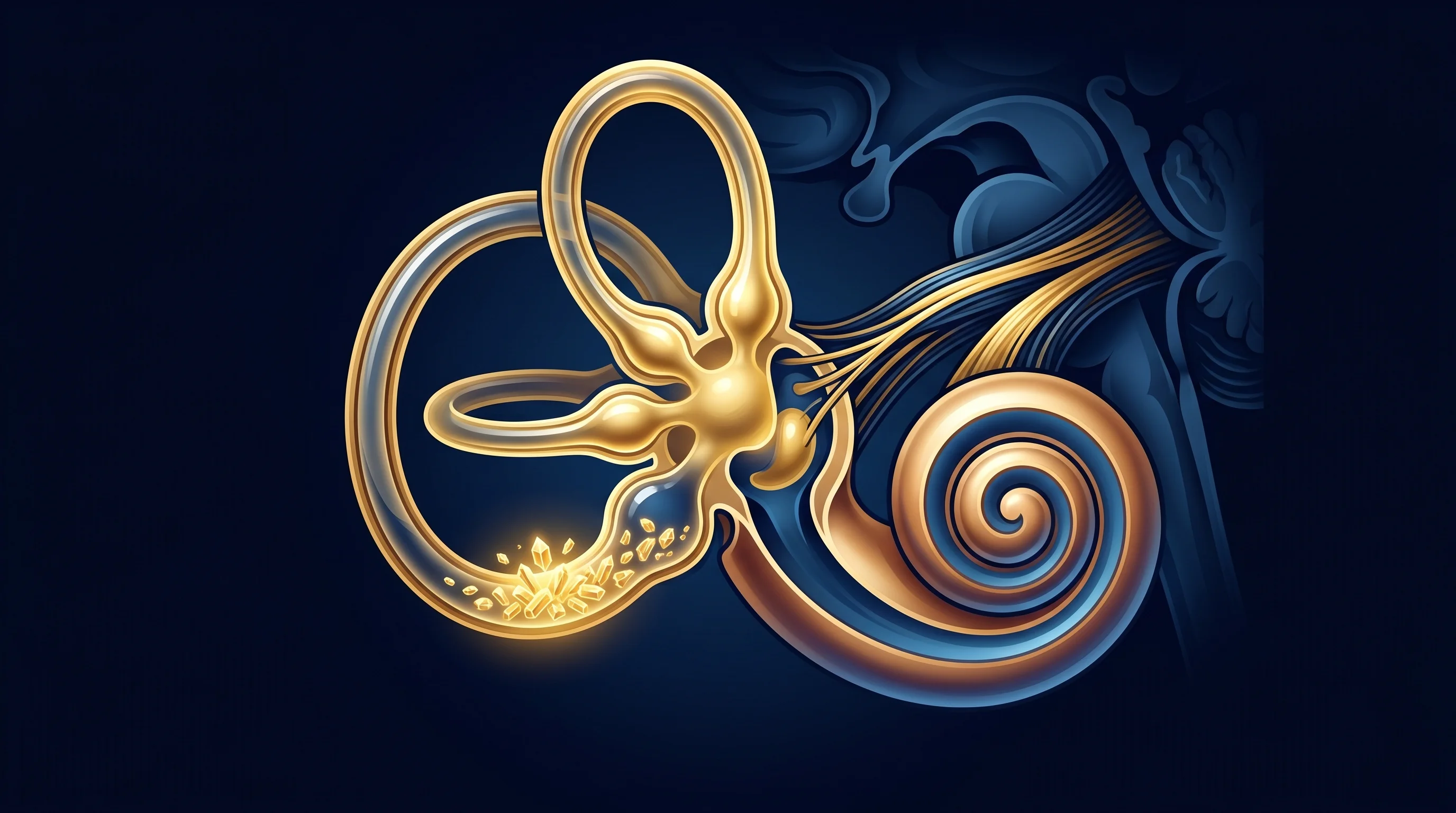
BPPV is the most common cause of vertigo. Small calcium carbonate crystals called otoconia become dislodged from the otolith organs and migrate into the semicircular canals. Head position changes, such as rolling over in bed or looking up, trigger brief but intense spinning episodes that typically last less than 60 seconds.
Viral inflammation of the vestibular nerve or inner ear structures produces sudden, severe vertigo lasting days to weeks. Vestibular neuritis affects only the balance nerve, while labyrinthitis also involves hearing changes. Both conditions can leave residual imbalance even after the acute episode resolves.
This inner ear disorder produces episodes of vertigo lasting 20 minutes to several hours, accompanied by fluctuating hearing loss, ear fullness, and tinnitus (ringing in the ear). Meniere’s disease is thought to involve abnormal fluid pressure within the inner ear. Episodes can be unpredictable and debilitating.
Dysfunction in the upper cervical spine can produce dizziness and imbalance. The neck contains proprioceptors that contribute to balance and spatial awareness. When these receptors send distorted signals due to joint dysfunction, muscle spasm, or injury, the brain receives conflicting information that produces dizziness.
Migraine can affect the vestibular system, producing episodes of vertigo with or without headache. Vestibular migraine is one of the most underdiagnosed causes of recurrent vertigo. Episodes may last minutes to days and are often accompanied by sensitivity to light, sound, or motion.
This condition involves chronic dizziness and unsteadiness worsened by upright posture, visual complexity, or active and passive motion. PPPD often develops after an initial vestibular event and persists even after the original cause has resolved. It involves altered sensory processing in the brain.
Effective vertigo treatment depends on identifying which component of the vestibular system is dysfunctional. A spinning episode caused by BPPV requires a completely different intervention than vertigo driven by vestibular migraine or cervicogenic dizziness. Our evaluation process distinguishes between these mechanisms so treatment targets the correct cause.
Many vestibular conditions respond rapidly to the right intervention. Patients who have suffered for months often experience substantial improvement within weeks once the appropriate treatment begins.
Neuromodulation addresses vestibular dysfunction by modulating the nerve signaling pathways involved in balance and spatial orientation. For patients with chronic or recurrent vestibular symptoms, neuromodulation can recalibrate the dysfunctional signals contributing to dizziness and imbalance. This approach is particularly beneficial for patients with vestibular conditions that have not responded to repositioning maneuvers or medication alone.
Vestibular rehabilitation through our sports medicine program is a cornerstone of vertigo treatment. Specific exercises retrain the brain to properly interpret vestibular signals, compensate for inner ear deficits, and maintain balance during daily activities. Vestibular rehabilitation therapy includes gaze stabilization exercises, habituation training for motion sensitivity, and balance retraining. This structured approach produces measurable gains in stability and confidence.
“Everyone is very professional and caring. Treatments are done with utmost care. My doctors gave up on my issues. This treatment has been a Godsend for my neuropathy and vertigo.”
— Pat Shore (Jun 2024, 5 stars)
Vestibular disorders require clinical expertise in the anatomy and physiology of the balance system. At St. Louis Pain Center, we evaluate vertigo patients with the detail and precision these conditions demand. Our clinical team benefits from the high standards of neurological care established across the St. Louis medical landscape, including the ongoing contributions of Washington University School of Medicine to vestibular research. Patients across St. Louis count on our team for vestibular care that goes beyond symptom suppression to address root causes.
St. Louis Pain Center is located at 4455 Telegraph Rd #250, St. Louis, MO 63129. We serve patients from Oakville, Mehlville, Lemay, Affton, Concord, Arnold, Fenton, Crestwood, Sunset Hills, Webster Groves, and Kirkwood. Our South County location provides easy access for vestibular patients throughout the metropolitan area.
Dizziness and imbalance are not symptoms you should ignore or wait out. A thorough vestibular evaluation identifies the specific cause and opens the door to treatment that can dramatically improve your stability and quality of life. Call St. Louis Pain Center at (314) 846-2100 or request an appointment online.
[Schedule an Appointment]{.cta-button}
What is the difference between vertigo and dizziness? Vertigo is a specific type of dizziness characterized by a spinning or rotational sensation. General dizziness can also include lightheadedness, unsteadiness, or feeling faint. Vertigo typically indicates a vestibular system problem, while other forms of dizziness may have cardiovascular or neurological causes.
How long do vertigo episodes last? Duration depends on the cause. BPPV episodes last seconds to a minute. Meniere’s disease episodes last 20 minutes to several hours. Vestibular migraine can produce symptoms lasting minutes to days. The pattern of episode duration is an important diagnostic clue.
Can vertigo be cured? Many vestibular conditions are fully treatable. BPPV is often resolved in one to two treatment sessions. Other conditions, like vestibular migraine and Meniere’s disease, can be effectively managed to reduce episode frequency and severity dramatically.
Is vertigo dangerous? Vertigo itself is not life-threatening, but the risk of falls during episodes is significant, especially for older adults. Sudden vertigo while driving is also dangerous. Effective treatment reduces these safety risks substantially.
Should I go to the emergency room for vertigo? Seek emergency care if vertigo is accompanied by sudden severe headache, difficulty speaking, vision loss, weakness on one side of the body, or difficulty walking. These symptoms may indicate a stroke or other serious neurological event. Isolated vertigo episodes are best evaluated in a clinical setting where comprehensive vestibular testing is available.
Can neck problems cause vertigo? Yes. Cervicogenic dizziness results from dysfunction in the upper cervical spine. Joint restrictions, muscle spasm, or injury in the neck can send distorted signals to the brain’s balance centers. This is an underrecognized cause that responds well to targeted treatment.
Vertigo and vestibular dysfunction often coexist with other conditions we treat. Nerve signaling problems may simultaneously affect balance and peripheral sensation, which is explored further on our neuropathy page. Chronic vestibular symptoms can evolve into persistent pain syndromes, and our chronic pain page addresses the mechanisms involved. Patients with cervicogenic dizziness frequently also experience neck pain as a primary or contributing issue.
Our specialists may recommend one or more of these evidence-based treatments for your condition.
Neuromodulation technique offers drug-free pain relief by recalibrating nerve signals. No side effects. Learn how it works at St. Louis Pain Center.
Learn More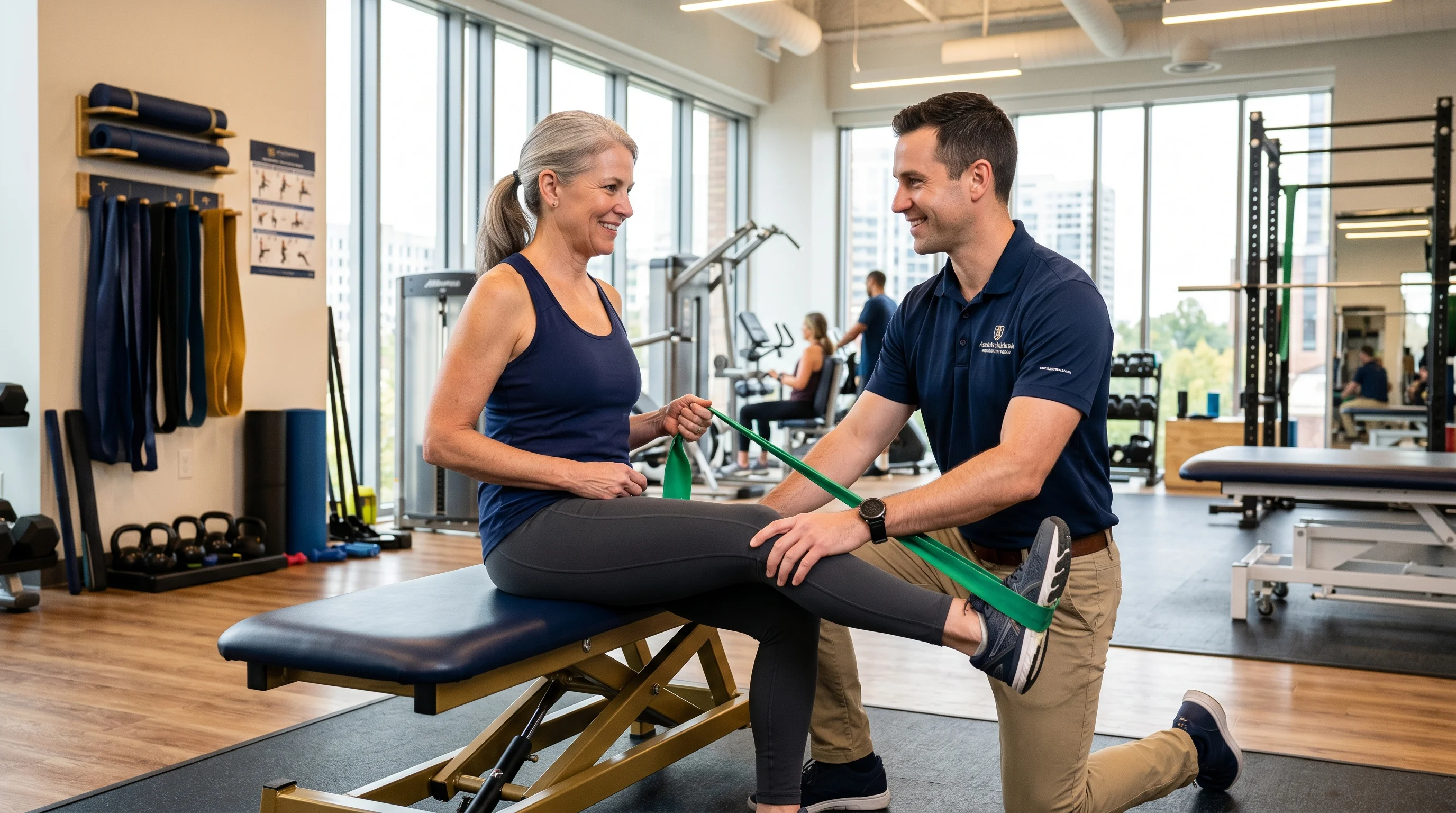
Physical therapy at St. Louis Pain Center includes manual therapy, vestibular rehabilitation, and post-injection protocols for back, neck, knee, and shoulder pain.
Learn MorePatient Stories
"Everyone is very professional and caring. Treatments are done with utmost care. My doctors gave up on my issues. This treatment has been a Godsend for my neuropathy and vertigo."
⭐ 4.9 out of 5 — Based on Google Reviews
Get Started Today
Take the first step. Our team is ready to help you reclaim your life from pain.